



Antique Copper Server
These antique copper server pieces range from Georgian samovars to Arts and Crafts sideboards, offering distinct historical character and utility.
Antique Copper Server
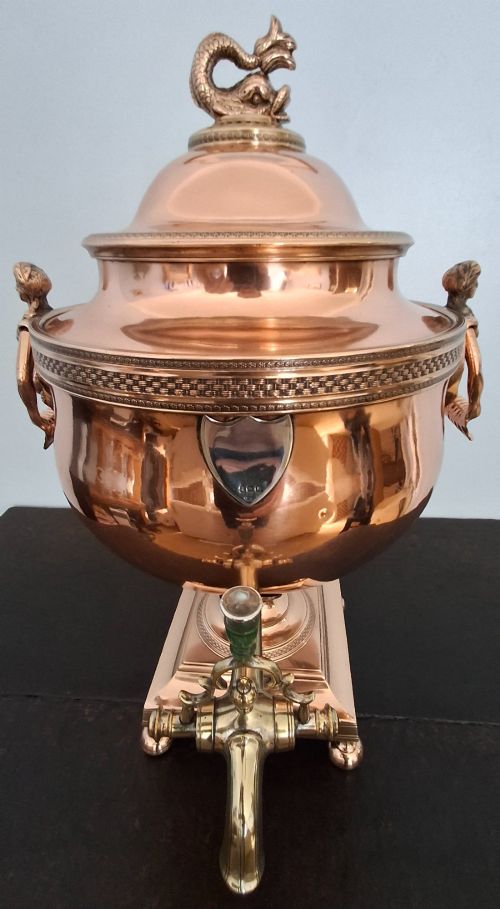
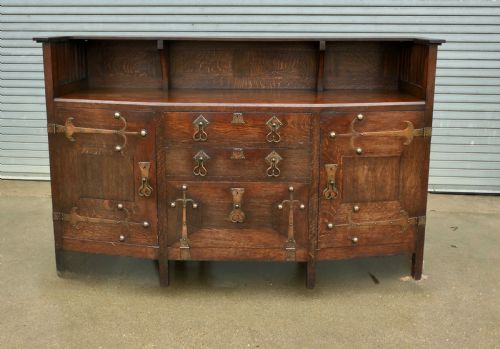
When you search for an antique copper server, you encounter a varied selection of large serving vessels and substantial wooden furniture designed for dining rooms. The evidence shows these items primarily span the eighteenth, nineteenth, and early twentieth centuries, encompassing diverse forms from domestic service.
The most common versions on this page are substantial sideboards in oak and mahogany, often associated with the Arts and Crafts movement or Victorian and Georgian periods. Alongside these pieces of furniture, the listings include heavy metal serving vessels such as copper samovars, tea urns, trays, and coffee pots.
These items originate from distinct stylistic traditions, moving from the refined geometry of the Georgian era through elaborate Victorian ornamentation to the simpler, honest construction of Arts and Crafts design. Each object reflects the domestic habits of its period, whether for brewing tea or storing dining room necessities.
Materials and construction
The metal objects rely heavily on hammered and joined copper, frequently paired with brass for taps, handles, or decorative mounts. Makers utilised Old Sheffield plate on copper bases for silver-finished serving items, combining base metals with thin precious metal layers.
The furniture pieces utilise solid timbers like oak and mahogany, sometimes enhanced with glass inserts or constructed to specific architectural designs by notable firms. Joinery relies on traditional methods appropriate to each period, from Georgian cabinet-making to the distinctive pegged joints of the Arts and Crafts movement.
Antique Copper Server Retail Price Guide 2026
Typical asking prices for copper server among the pieces listed under this phrase on Sellingantiques today, from the lower quarter to the upper quarter. They describe what is for sale here now, not the wider market.
Listings feature copper vessels and wooden sideboards spanning the eighteenth to the early twentieth centuries.
Assessing quality
Quality in these serving vessels and furniture pieces depends on the integrity of the original construction and the survival of surface detail. Hand-beaten metalwork with crisp lines and well-fitted brass components indicates superior workmanship compared to simpler mass-produced alternatives.
Within the furniture selections, the choice of timber figure, such as golden oak or rich mahogany, combined with thoughtful proportions and documented design provenance, separates standard items from exceptional examples.
Leonard Wyburd·Shapland & Petter
The Antique Copper Server Glossary
- Samovar
- A heated metal urn traditionally used to boil water for tea, typically featuring a central internal chimney and a spigot at the base. These large vessels formed a decorative and functional centrepiece on large dining sideboards.
- Old Sheffield Plate
- An early method of fusing a thin sheet of silver to a thicker copper base under heat and pressure. This technique produced durable serving items that show subtle traces of copper where the silver layer has worn thin over generations of polishing.
- Arts and Crafts
- A design movement spanning the late nineteenth and early twentieth centuries that valued traditional craftsmanship, visible construction methods, and simple utility. Pieces from this period often display exposed joints and honest use of solid oak.
- Salver
- A flat metal tray, usually with a raised rim or standing on small feet, used for serving drinks or presenting items. These pieces were hammered or cast from copper and silver-plated metals.
Antique Copper Server: Frequently Asked Questions
What is a copper samovar used for?
A copper samovar served as a large heated vessel for boiling water, traditionally used during tea service in large households.
Water was heated via an internal metal pipe or charcoal container, allowing the household to maintain a constant supply of hot water for guests.
How do I date an antique sideboard?
Dating relies on examining the timber species, construction techniques, and stylistic ornamentation visible across the piece.
Georgian examples display classical proportions, while Victorian items often show heavier carving, and Arts and Crafts pieces favour unadorned solid oak construction.
What is Old Sheffield plate?
Old Sheffield plate is an early composite material created by fusing silver and copper sheets together under intense heat.
This technique predated electroplating and created durable items that retain a warm metallic appearance through generations of use.
How do I care for antique copper?
Antique copper requires gentle cleaning to preserve the natural oxidation and patina accumulated over centuries.
Frequent harsh polishing removes the historical surface character, so dusting and occasional mild cleaning are generally preferred by collectors.