




Antique Copper Fixture
These antique copper fixture examples range from Edwardian lanterns to Victorian oil lamps, offering solid metal construction and period illumination for your home.
Antique Copper Fixture
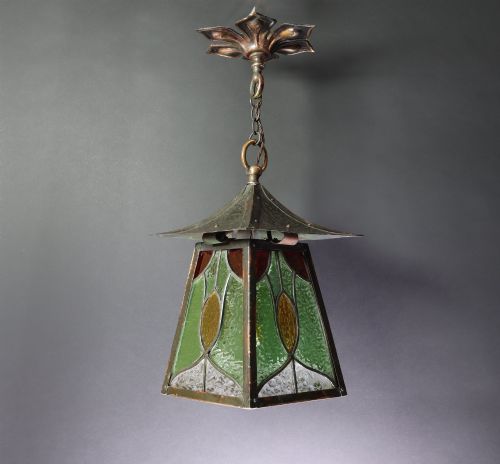
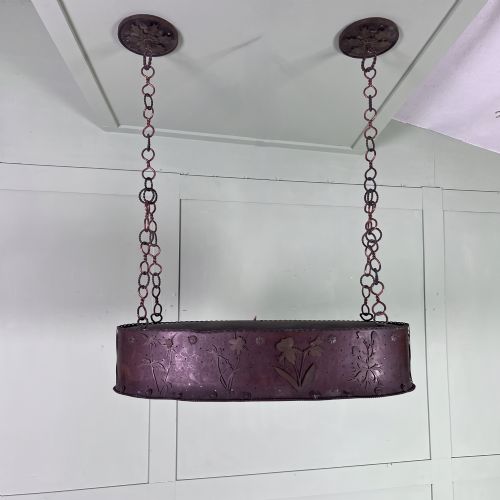
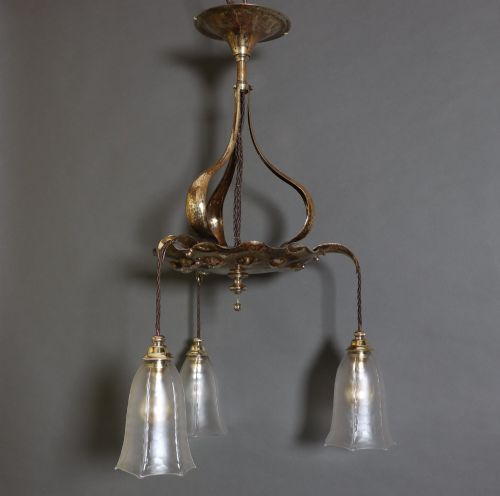
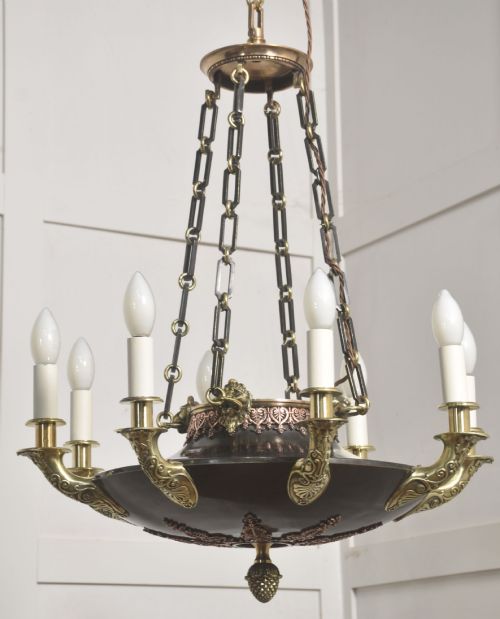
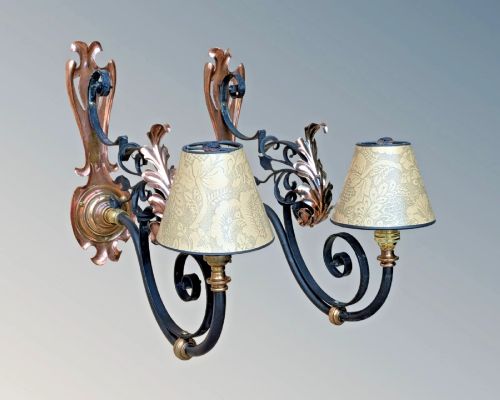
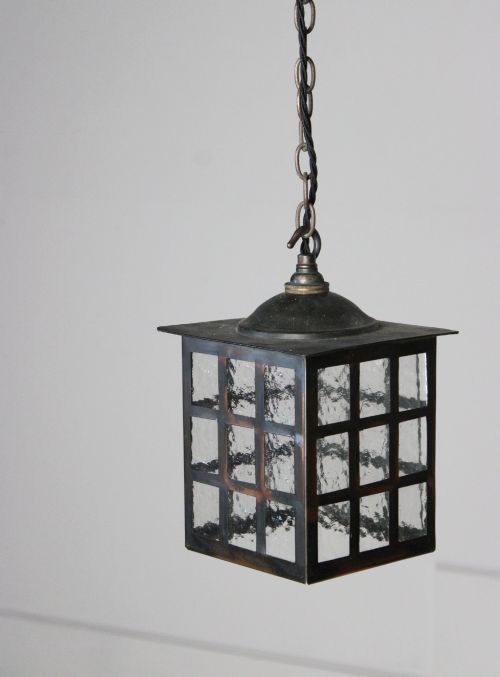
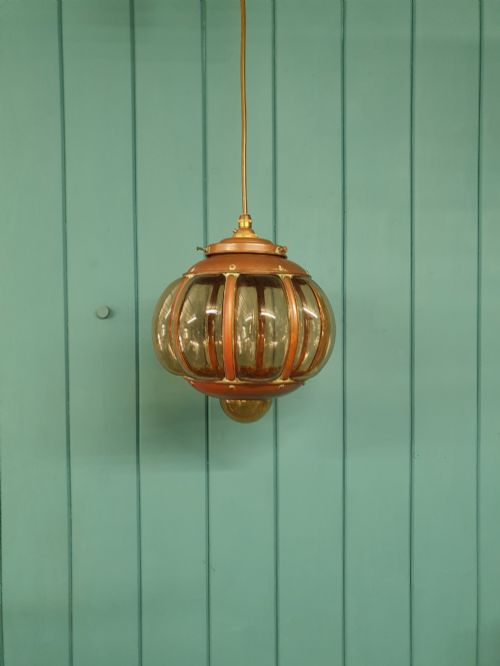
An antique copper fixture brings functional period lighting into domestic spaces through a variety of forms including wall lights, ceiling lights, pendant lights, and chandeliers. Buyers seeking an antique copper fixture will encounter pieces originating from the nineteenth century up through the nineteen-thirties, spanning Victorian, Edwardian, Arts and Crafts, and Art Deco styles.
What Varies in Quality
The standard of an antique copper fixture depends upon the integrity of the metalwork and the presence of original components such as specialised glass shades and period fittings. Hand-beaten or chased detailing demonstrates higher craftsmanship than plain pressed metal sheets.
Substantial weight in the frame and structural integrity in the joints separate superior pieces from lighter, purely decorative reproductions. The survival of original glass elements, whether smoked, frosted, or vaseline, strongly influences the overall integrity of the piece.
Antique Copper Fixture Retail Price Guide 2026
Typical asking prices for copper fixture among the pieces listed under this phrase on Sellingantiques today, from the lower quarter to the upper quarter. They describe what is for sale here now, not the wider market.
Listings feature copper combined with brass, wrought iron, and glass across Victorian, Edwardian, Arts and Crafts, and Art Deco styles.
Jean Gauthier·A Benson
The Antique Copper Fixture Glossary
- Arts and Crafts
- A design movement emphasising handcraftsmanship and simple forms. Pieces often display visible beating marks on the copper surface.
- Vaseline glass
- A type of glass containing uranium dioxide that glows under ultraviolet light. It appears in yellow or greenish shades within period lamp shades.
- Hand-chased
- Metal decorated by indenting the front surface with a hammer and punch. This technique creates low-relief patterns on copper lamp bodies.
- Smoked glass
- Glass treated to have a darkened, translucent appearance. It filters the light source to reduce glare in nautical and industrial pendants.
Antique Copper Fixture: Frequently Asked Questions
What periods do these fixtures come from?
The listings span from the nineteenth century through the Edwardian era and into the nineteen-thirties. You will find Victorian, Arts and Crafts, and Art Deco examples.
Materials range from solid copper and brass to wrought iron and various types of glass including frosted and smoked variants.
Are these lights wired for modern electricity?
Many hanging lanterns and wall lights have been adapted for contemporary electrical standards while retaining their original metalwork. Oil lamps from the Victorian period typically retain their original burner assemblies.
Buyers should consult professional electricians to ensure safe installation and compatibility with modern household circuits.
How do I identify an Arts and Crafts fixture?
Arts and Crafts pieces emphasise visible hand-working, often featuring beaten copper surfaces, riveted joints, and Gothic or Amsterdam School influences. The design avoids excessive ornamentation in favour of honest construction.
These fixtures frequently appear as wall lights, pendant lanterns, or ceiling lamps dating around nineteen hundred.
What types of glass are used in these lanterns?
Original glass components include plain panes, frosted panels, smoked glass for nautical styles, and specialised vaseline glass shades. Each type affects the quality and diffusion of light emitted from the fixture.
Survival of undamaged original glass significantly adds to the character of lanterns and chandeliers.