



Antique Copper Engraving
These antique copper engraving pieces offer tactile glimpses into centuries of printmaking and decorative metalwork.
Antique Copper Engraving
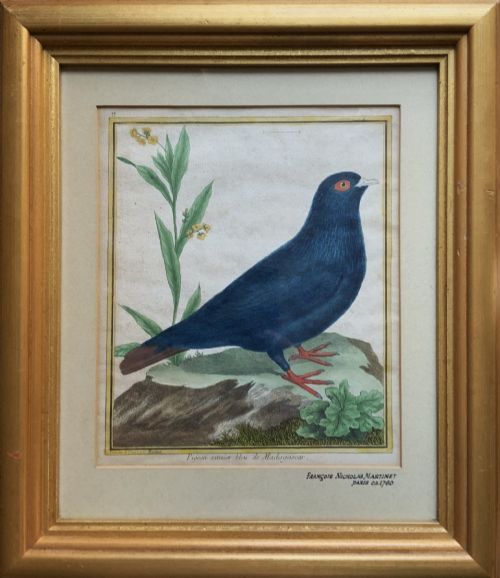
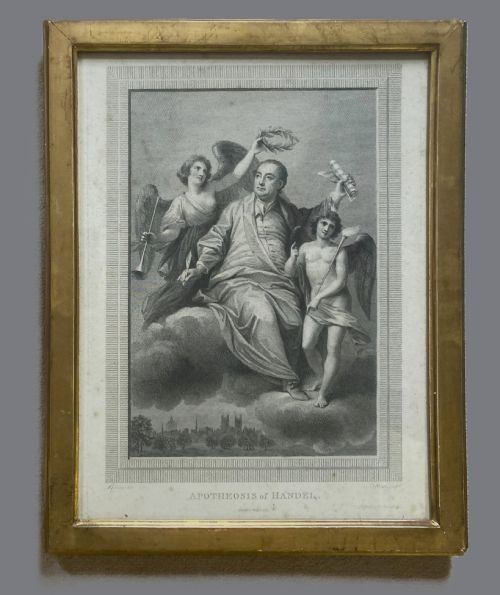
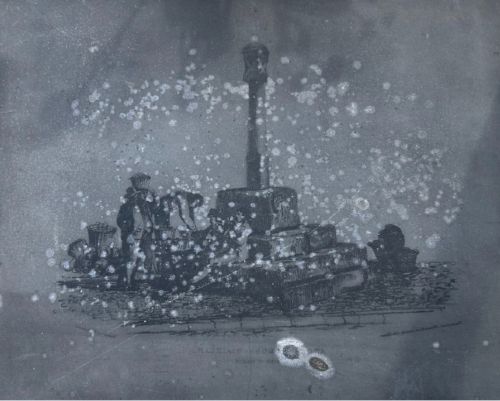
When you search for antique copper engraving, you encounter printed works pulled from incised metal plates alongside engraved metal vessels, trays, and plates. The printed examples span eighteenth-century avian studies, classical compositions, and complete portfolio series.
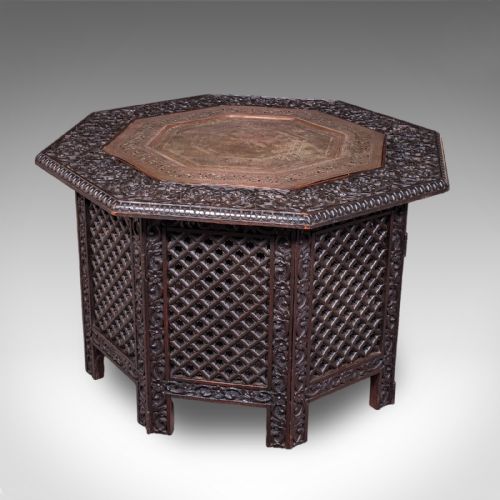
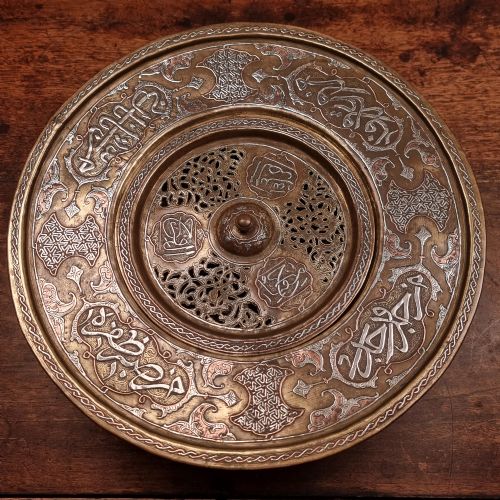
The material takes many physical forms across this selection, moving between works on paper and heavier domestic items such as chargers, ewers, and tobacco boxes. Eighteenth-century prints often arrive framed, while nineteenth-century metalwork showcases intricate decorative motifs.
How they were made
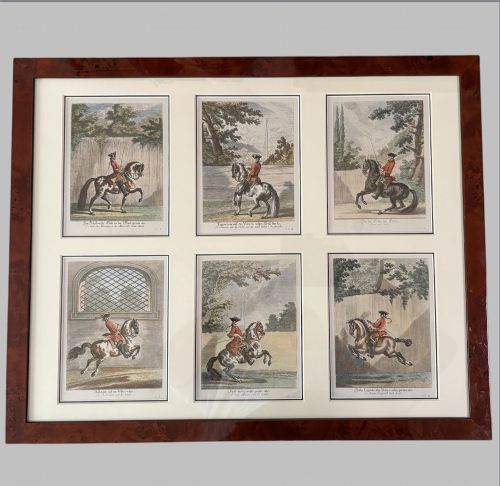
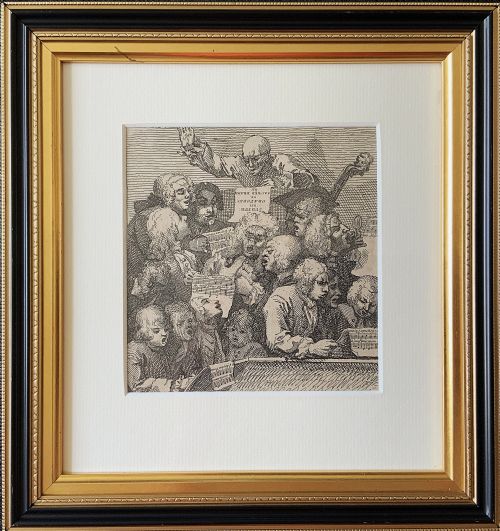
Makers produced printed works by incising lines directly into sheets of copper with a sharp burin, then pressing inked plates onto paper. Many surviving prints received hand-colouring in watercolours or washes after the printing stage.
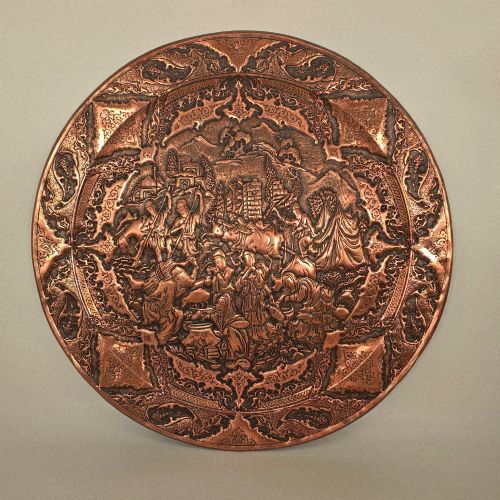
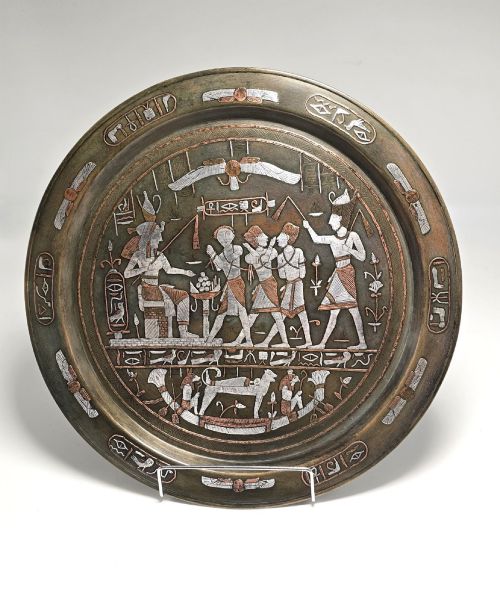
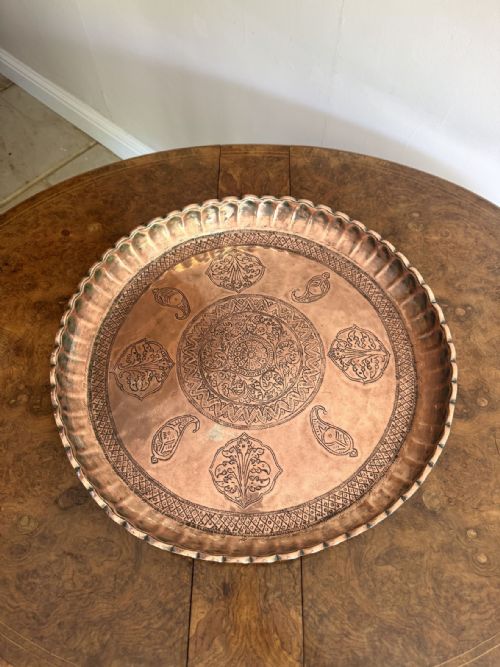
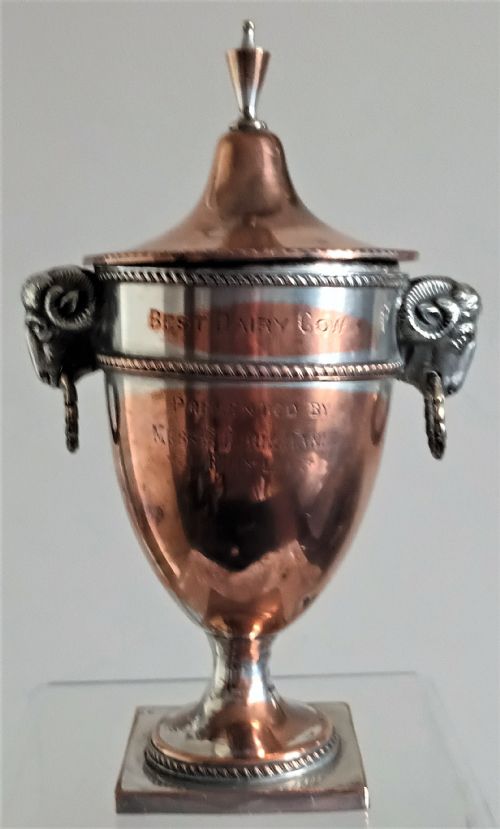
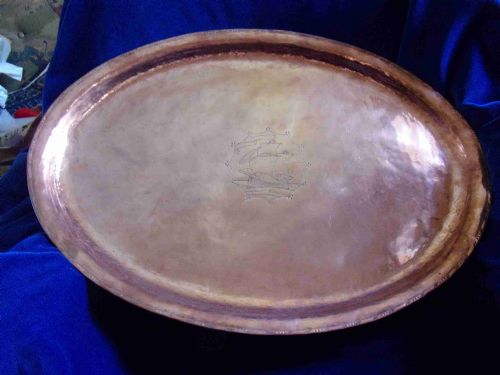
Three-dimensional copper and brass items relied on hand-engraving, repoussé work, and metal inlay techniques. Artisans hammered decorative designs into the metal surface or combined copper with silver, brass, and patinated finishes.
Antique Copper Engraving Retail Price Guide 2026
Typical asking prices for copper engraving among the pieces listed under this phrase on Sellingantiques today, from the lower quarter to the upper quarter. They describe what is for sale here now, not the wider market.
Several domestic items include tobacco boxes and a vegetable garden scale, proving that past artisans decorated everyday utility goods with great care.
What varies in quality
Quality rests upon the crispness of the lines pulled from the plate and the precision of the initial engraving. Impressions taken early in a plate's working life display sharper detail than those pulled after extensive use.
In decorative metalware, the depth and complexity of the engraved repoussé patterns determine the standard of the piece. Superior examples exhibit deliberate control in hand-tooled decoration and well-preserved surface patination.
François-Nicolas Martinet·James Heath·Thomas Jefferys·Hugh Wallis·Alessandro Mocchetti
The Antique Copper Engraving Glossary
- Copper engraving
- A printmaking technique where an artist cuts lines directly into a copper plate using a steel tool called a burin. The resulting plate holds ink within the grooves for transfer to paper under pressure.
- Repoussé
- A metalworking technique where an artisan hammers metal from the reverse side to form a raised design in relief. Details are then refined from the front using chisels and punches.
- Stipple engraving
- A method of creating tonal gradations in printmaking by using dots rather than continuous lines. Artists achieved these patterns with specialised stippling tools on the metal plate.
- Ciborium
- A covered sacred vessel used in churches to hold consecrated hosts, often fashioned from copper and gilded. These ecclesiastical items frequently feature engraved or chased surface decoration.
- Old Sheffield Plate
- A composite material made by fusing a layer of silver onto a copper base, popular for tableware before electroplating. Items made this way show characteristic thin seams of copper where edges meet.
Antique Copper Engraving: Frequently Asked Questions
How do I care for antique copper?
Keep copper pieces dry and clean them gently with a soft cloth to protect the underlying metal and historic patina. Avoid harsh commercial abrasive polishes that strip away the aged surface character.
Display items away from direct moisture and excessive sunlight to maintain the stability of both the metal and any accompanying paper elements.
Are all copper engravings hand coloured?
Not every impression received applied colour; many surviving examples remain in monochrome ink on paper. Hand-colouring was added to specific print runs using watercolours after the printing process.
Examining the pigment under magnification helps distinguish original period hand-colouring from later additions applied long after publication.
What is the difference between an etching and an engraving?
An engraving is cut directly into the metal plate by hand using a sharp tool, producing clean and precise lines. An etching uses acid to bite the design into the metal through a protective ground layer.
Under magnification, engraved lines taper to sharp points, while etched lines often display slightly softer, rounded edges from the acid action.