

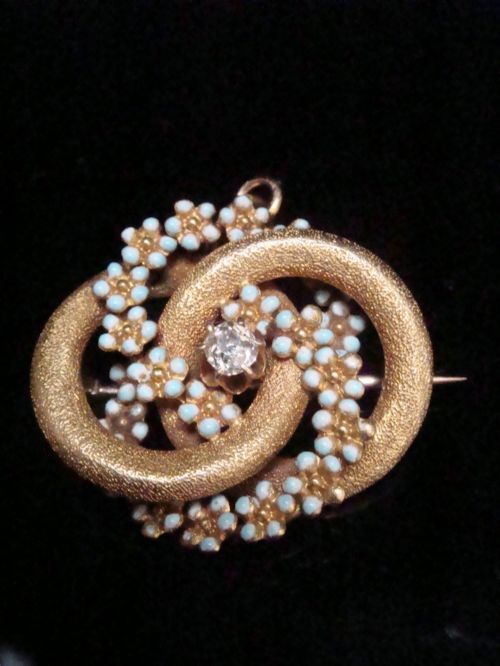
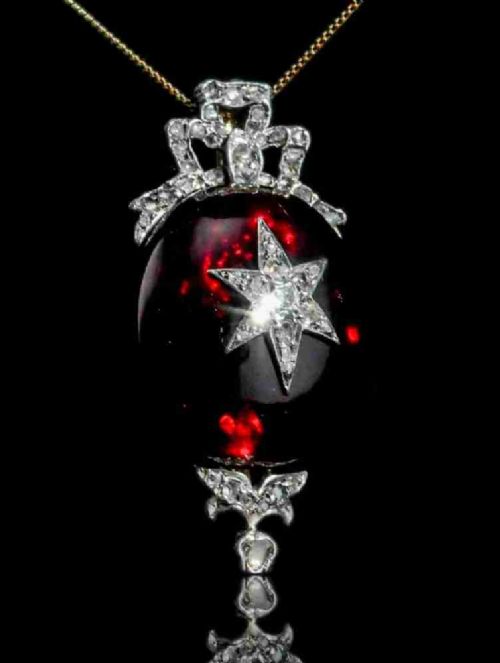


Antique Convertible Brooch
An antique convertible brooch offers two distinct ways to wear fine jewellery, shifting seamlessly from a lapel pin to a pendant.
Antique Convertible Brooch
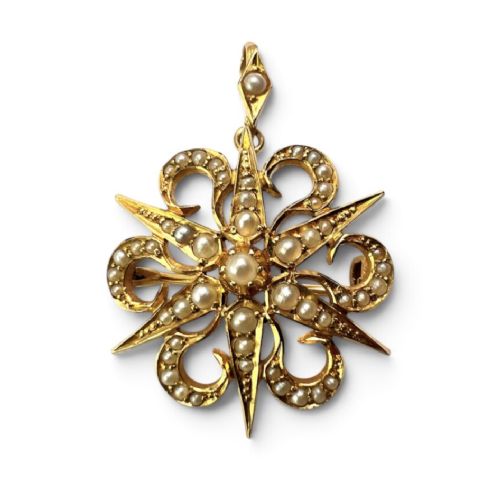
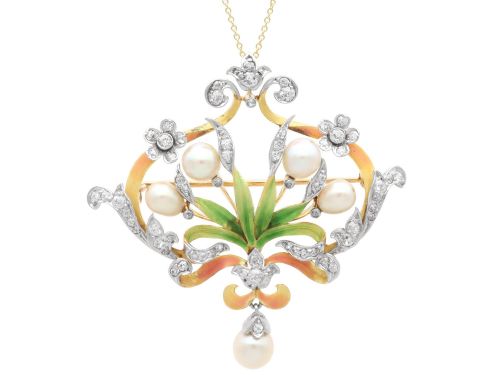
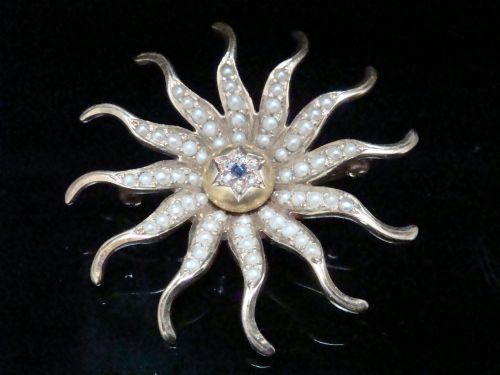
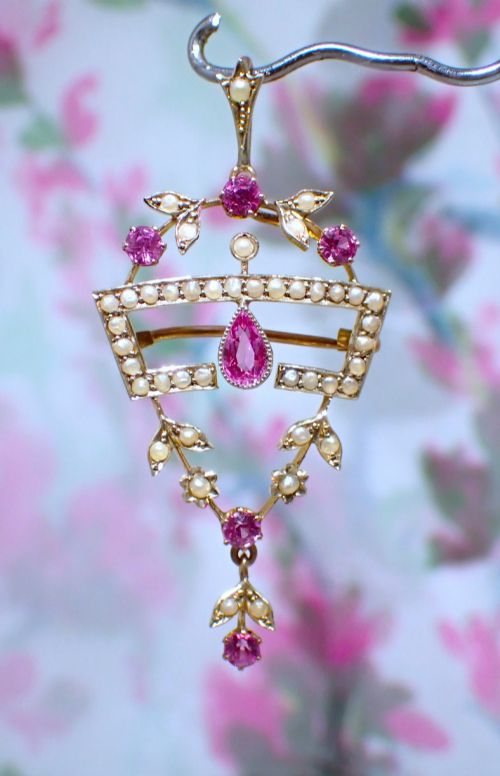
An antique convertible brooch serves a dual purpose, functioning both as a traditional fastener for garments and as a suspended neck ornament. These versatile pieces appear across the Victorian, Edwardian, and Art Deco periods, taking the form of floral sprays, celestial stars, bows, and insects.
The pieces on this page span the nineteenth and early twentieth centuries, constructed to adapt through removable fittings, screw mechanisms, or hidden loops. Buyers encounter configurations that transition from a brooch to a pendant, a lavaliere, or even a section of a tiara.
Makers of these items utilised gold in various carats alongside silver settings, combining mechanical ingenuity with high-status gemstone arrangements. The ability to alter the function of the jewellery reflects the practical demands of historical wardrobes.
Materials and Construction Methods
Goldsmiths and jewellers employed fifteen-carat and eighteen-carat yellow gold, nine-carat rose gold, and platinum as structural foundations. Silver was frequently deployed atop gold settings to enhance the brilliance of mounted diamonds by reflecting light from a bright white surface.
Gemstones including natural opals, rubies, garnets, peridots, and seed pearls were integrated using claw settings, collets, and pavé work. Convertible elements rely on concealed hinges, threaded posts, and detachable bails that allow the primary ornament to slide onto a necklace or secure onto a backing pin without disrupting the design.
Antique Convertible Brooch Retail Price Guide 2026
Typical asking prices for convertible brooch among the pieces listed under this phrase on Sellingantiques today, from the lower quarter to the upper quarter. They describe what is for sale here now, not the wider market.
Listings feature yellow gold, rose gold, silver, and platinum combined with diamonds, pearls, opals, garnets, and turquoises.
Distinctions in Execution and Assembly
The sophistication of the conversion mechanism dictates much of the distinction between examples. Superior pieces conceal their transformations entirely, ensuring the item looks balanced and intentional whether suspended from a chain or pinned to fabric.
The selection and matching of stones further separate tiers of production. Fine specimens incorporate certified diamonds, well-matched natural pearls, and vibrant cabochons with secure claw work that holds each element firmly within the metal frame.
Paillette
The Antique Convertible Brooch Glossary
- Convertible brooch
- A piece of jewellery engineered with removable or hidden elements to shift between a pin and a pendant. This adaptability allowed Victorian and Edwardian owners to alter their adornments throughout the day.
- Collet
- A small metal collar or band that holds a gemstone in place within a setting. In older pieces, these are often rubbed over by hand to secure the stone.
- Pavé
- A setting technique where numerous small stones are positioned closely together with minimal visible metal. This creates a continuous surface of sparkle across the face of the ornament.
- Cabochon
- A gemstone shaped and polished with a smooth, convex dome rather than faceted edges. This cut is common in antique garnets, opals, and turquoises.
- Bail
- The ring or loop attached to a pendant that holds the chain or ribbon. In convertible items, this component often folds down or detaches entirely when worn as a brooch.
Antique Convertible Brooch: Frequently Asked Questions
How do convertible brooches change into pendants?
These pieces use removable pins, threaded screws, or fold-away loops to alter their function. Owners slide a bail into place or attach a chain once the garment pin is detached.
Many Victorian and Edwardian designs incorporate a threaded system where the pin backing unscrews entirely from the reverse of the frame.
What periods do these pieces come from?
The items span the Victorian era, the Edwardian period, and the Art Deco style of the nineteen-thirties. Each era brought distinct motifs, ranging from naturalistic floral sprays and stars to geometric platinum clips.
Victorian examples often feature yellow gold and rich garnets, while later pieces favour platinum and diamonds.
Are the chains included with the pendants?
Most antique convertible brooches are offered as standalone items or accompanied by their original fitted presentation boxes. Chains found on these pieces are frequently later additions suited to modern wear.
Buyers should examine the specific listing details to confirm whether a neck chain accompanies the central ornament.
How should I care for antique convertible settings?
Gentle handling is essential due to the age of the mechanical joints and delicate seed pearl or opal settings. Avoid ultrasonic cleaning, as historical adhesives and soft stones can be damaged.
Store each piece flat in a lined box to prevent stress on the conversion hinges and delicate pin stems.