

Antique Container
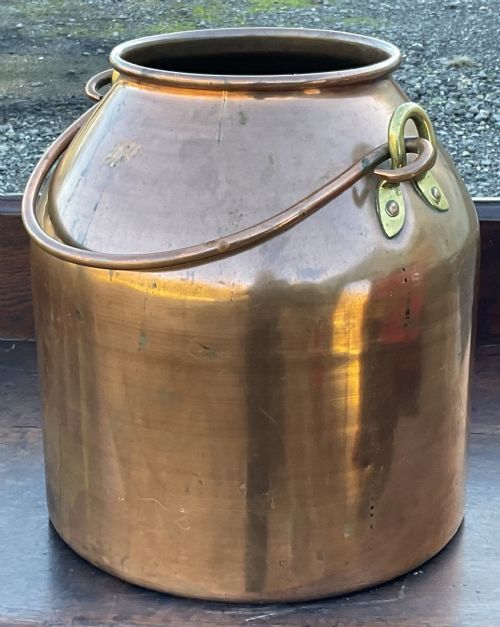
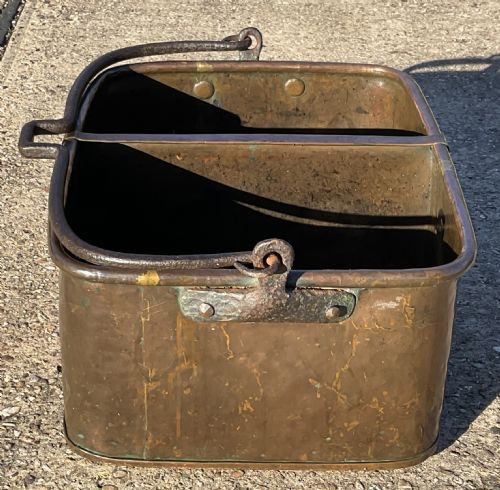
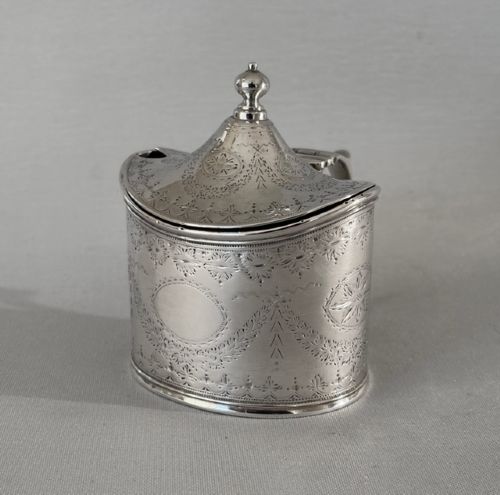
An antique container holds small treasures or fuel for the hearth, spanning compact silver cases and heavy brass scuttles.
Antique Container
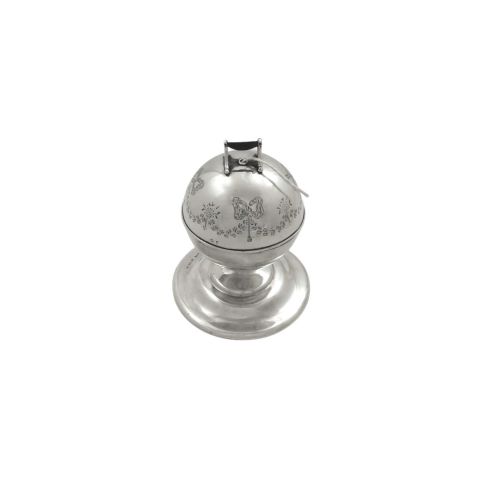
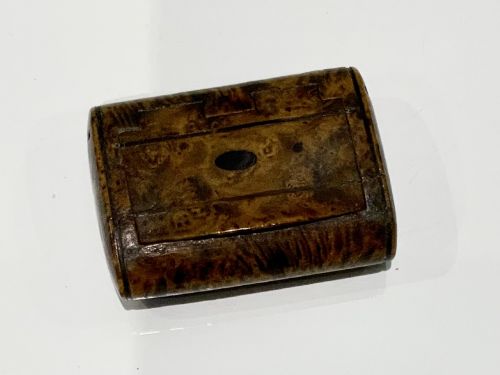
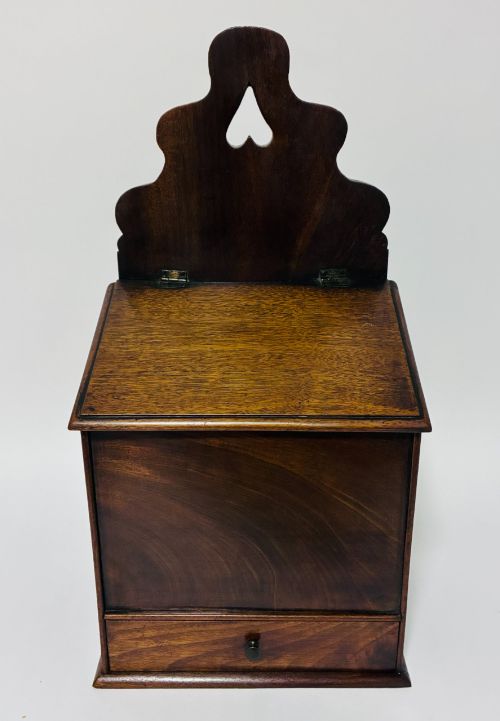
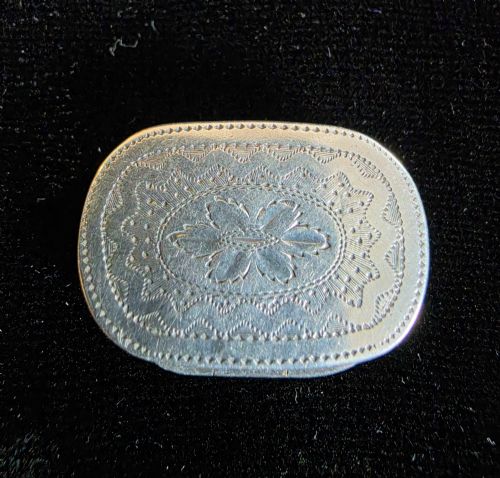
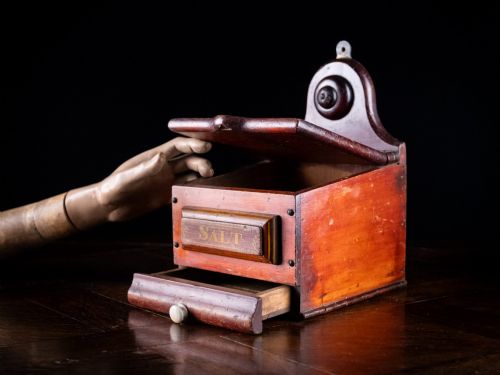
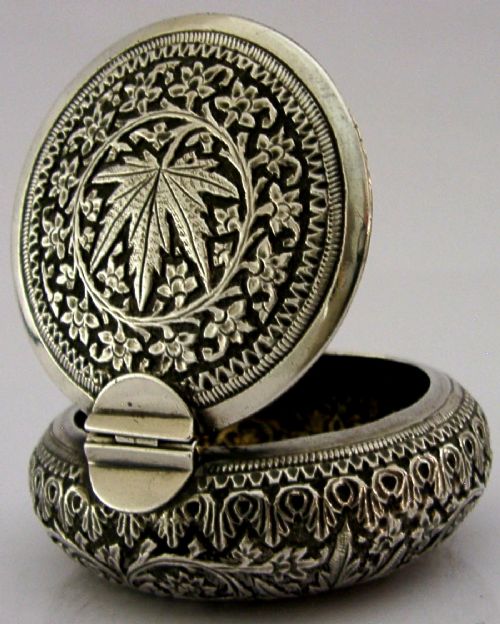
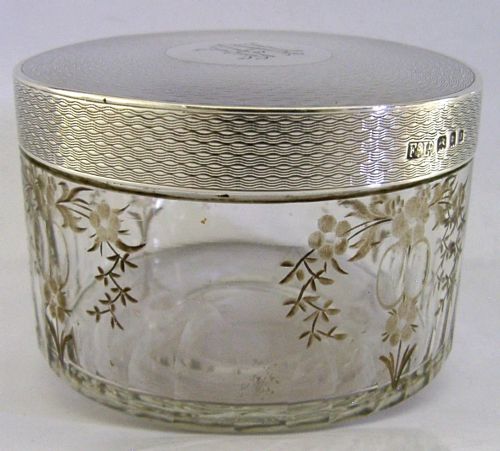
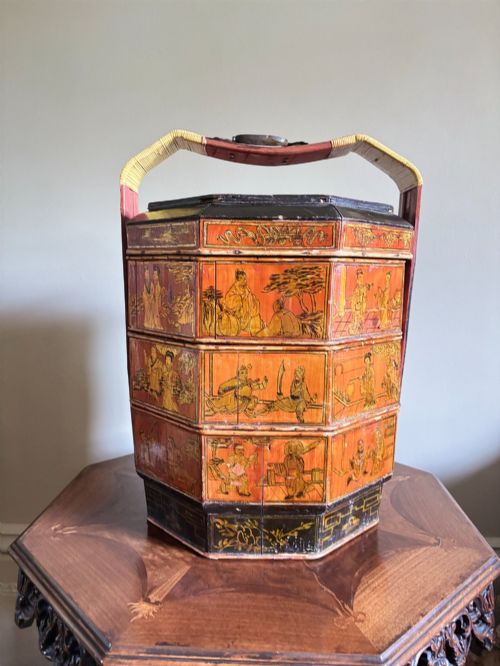
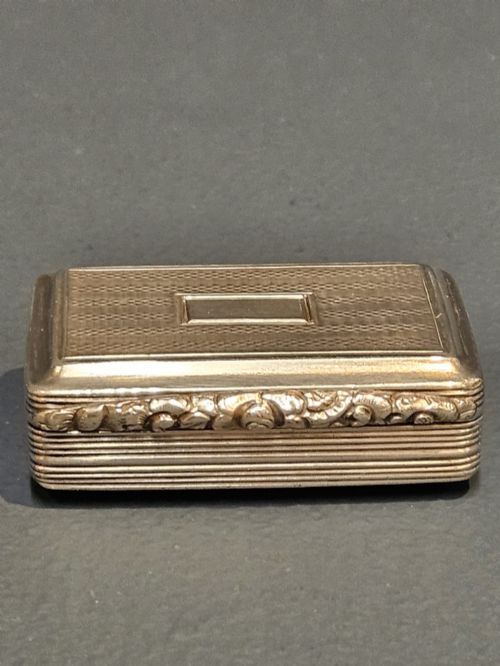
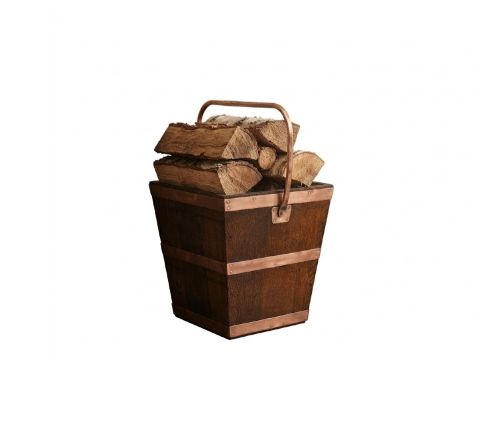
When you search for an antique container, you encounter a remarkably varied group of objects designed to hold dry goods, tobacco, fuel, or personal valuables. The inventory ranges from diminutive silver pill boxes and snuff mull boxes to substantial coal scuttles, planters, and tea caddies.
The pieces originating from the Georgian, Victorian, and Edwardian eras dominate the selection, alongside items from 19th-century Asian and continental workshops. Wood, brass, sterling silver, and copper form the backbone of these domestic vessels.
How they were made
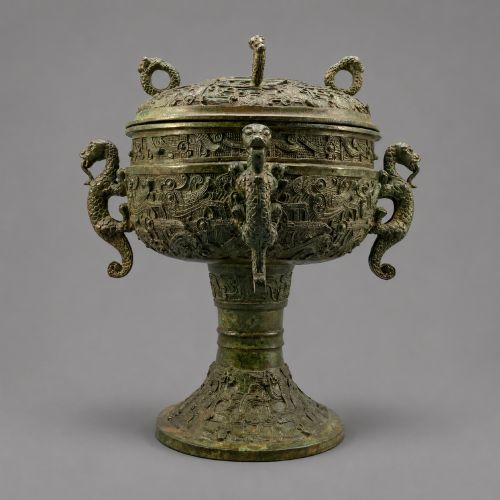
Makers utilised traditional metalworking techniques such as repousse, engine turning, and champleve enamel to decorate silver, copper, and bronze vessels. Wooden pieces often display flame mahogany veneers, boxwood inlay, or solid fruitwood construction.
Organic materials like horn, bamboo, and tortoiseshell are shaped and polished with care, while ceramics rely on hand-painted glazes in Dutch Delftware or oriental blue and white styles.
Antique Container Retail Price Guide 2026
Typical asking prices for container among the pieces listed under this phrase on Sellingantiques today, from the lower quarter to the upper quarter. They describe what is for sale here now, not the wider market.
Listings include items made from brass, sterling silver, wood, copper, and glass across Georgian, Victorian, and Edwardian periods.
What varies in quality
The distinction between ordinary and superior pieces rests on the crispness of surface ornament, such as deep repousse work versus shallow stamping, and the integrity of joints in wooden tea caddies and spice towers. Hand-engraved monograms and intricate engine turning indicate higher workshop skill.
Materials also dictate rank, where solid sterling silver, silver gilt, and heavy gauge brass or copper outlast plated metals and thin iron plate.
JOSEPH GLOSTER LTD·Henry Loveridge·Aaron Lufkin Dennison
The Antique Container Glossary
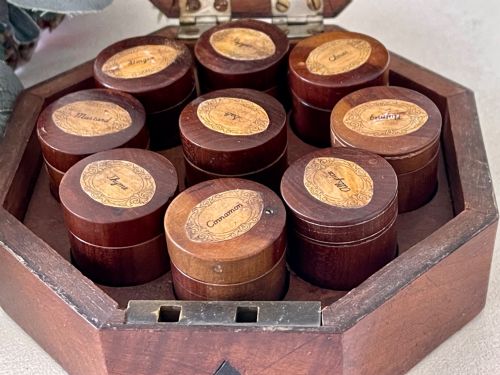
- Tea caddy
- A box or container designed to store tea leaves safely away from moisture and light. They frequently feature internal compartments or mixing bowls.
- Vesta case
- A small pocket-sized box used for holding matches, usually fitted with a striking strip on the base. Sterling silver and brass examples often feature engraved decoration.
- Snuff mull
- A traditional Scottish receptacle made from animal horn used for holding powdered tobacco. They typically possess tight-fitting lids and sometimes silver mounts.
- Champleve
- An enamelling technique where troughs or cells are sunk into the surface of a metal object and filled with vitreous enamel. The remaining metal walls form the design outline.
- Repousse
- A metalworking method where the metal is hammered from the reverse side to form a raised design in relief. Detail is then refined from the front using punches.
Antique Container: Frequently Asked Questions
What is a tea caddy?
A tea caddy is a dedicated container used to store loose tea leaves in the home, protecting the expensive leaves from air and humidity.
Many period examples feature lockable lids because tea was historically a costly commodity kept under the master's direct control.
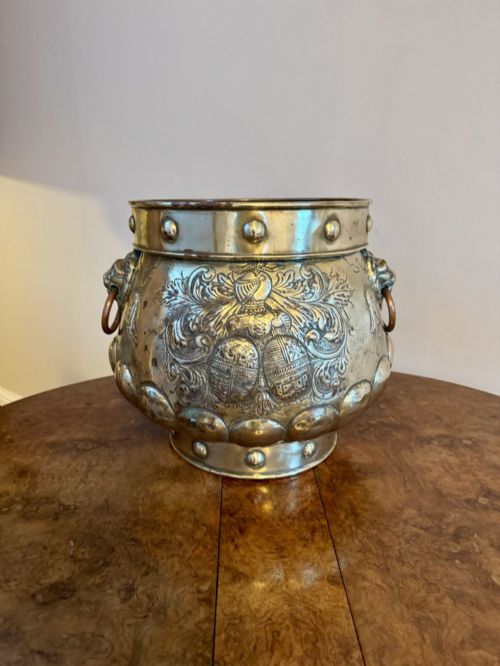
How do I use a coal scuttle?
A coal scuttle is designed to hold and transport solid fuel to an open fireplace or stove.
In modern interiors, these brass and copper vessels often serve as decorative log bins or umbrella stands rather than functional coal carriers.
What fits in a vesta case?
A vesta case holds wooden matches safely in the pocket without risk of accidental ignition.
Collectors today often repurpose these small silver containers to hold modern pills or tiny keepsakes.
How do I date a silver box?
Dating silver containers involves reading the hallmarks stamped into the metal, which reveal the assay office, date letter, and maker's mark.
Stylistic cues such as Edwardian glass inserts or Victorian engine turning also help narrow down the decade of manufacture.