



Antique Conservatory Armchair
An antique conservatory armchair brings organic warmth to an interior, offering woven comfort shaped by decades of traditional craftsmanship.
Antique Conservatory Armchair
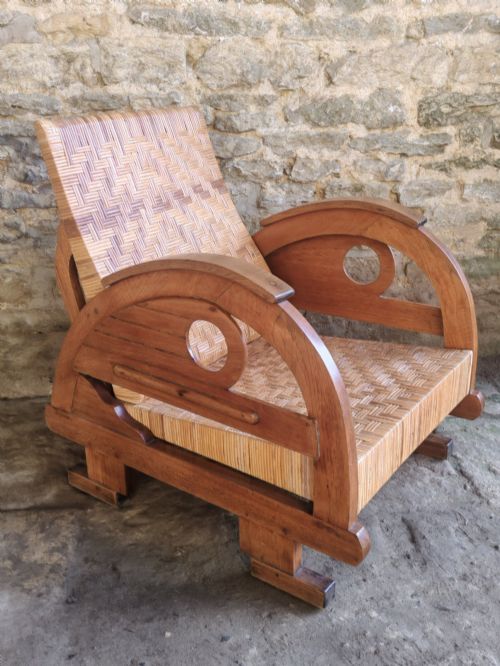
An antique conservatory armchair is a seating piece designed primarily for garden rooms, verandahs, and sunrooms, utilising flexible plant fibres to create an inviting seat. The selection ranges from robust oak bergere frames to lighter woven seating designed for relaxed lounging.
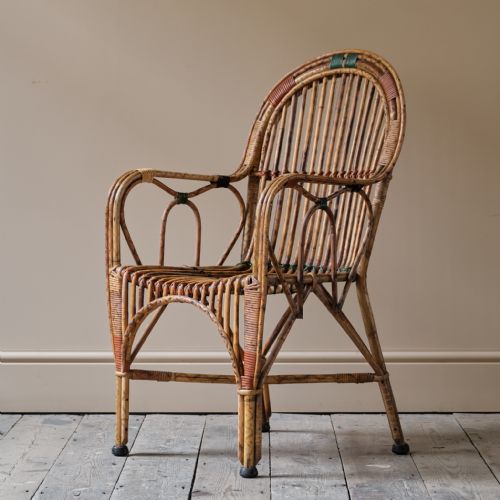
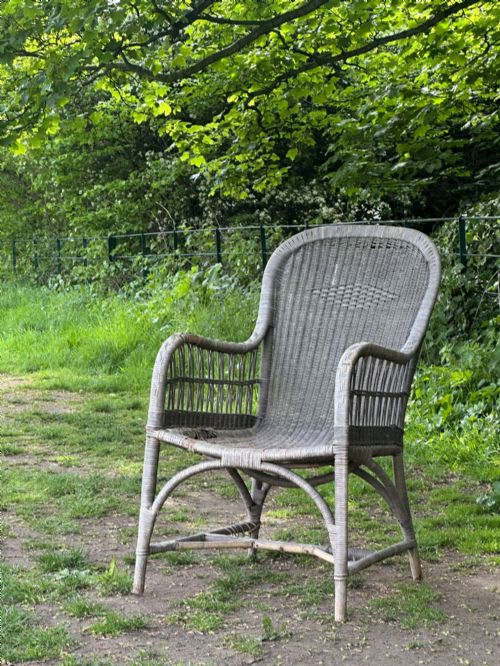
You are most likely to encounter cane, rattan, and wicker examples dating from the early twentieth century, particularly the nineteen-twenties and nineteen-thirties. These pieces often reflect specific design movements such as Arts and Crafts or Art Deco, showing a distinct focus on natural materials.
Makers such as Dryad of Leicester feature prominently in the tradition of these chairs, alongside continental and colonial imports like Burmese suites and French ironwork. The forms vary from standard armchairs to reclining garden variants and substantial lounge seating.
How they were made
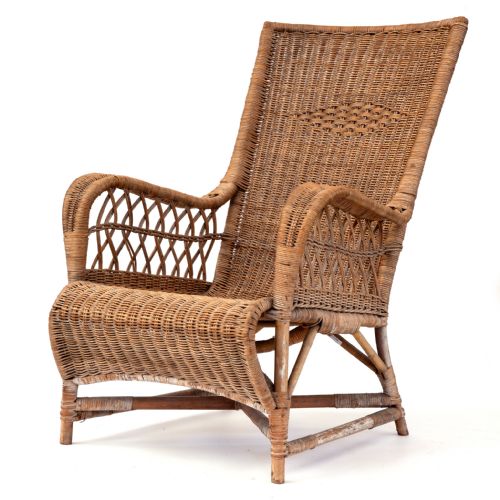
Construction relies heavily on plant materials such as cane, rattan, wicker, and willow, which are soaked and handwoven around sturdy wooden or bamboo frameworks. This technique allows makers to create resilient yet breathable seats suited to light and airy spaces.
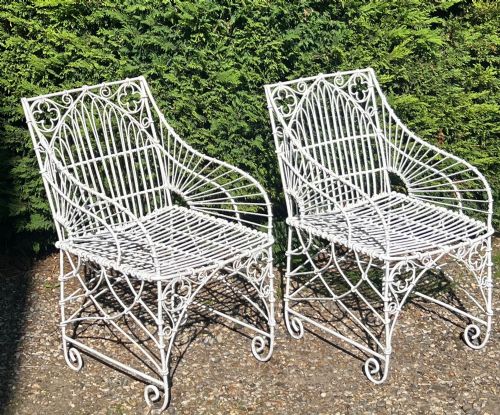
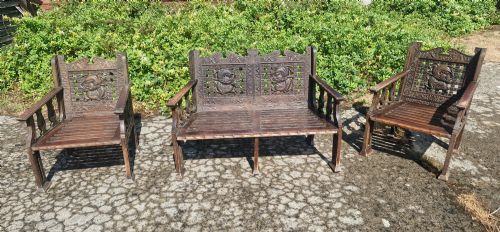
Metal alternatives also appear, utilising wrought iron and cast iron shaped into durable garden and conservatory frames. Wooden elements often incorporate oak, teak, and leather detailing to provide structural integrity and contrast with the woven body.
Antique Conservatory Armchair Retail Price Guide 2026
Typical asking prices for conservatory armchair among the pieces listed under this phrase on Sellingantiques today, from the lower quarter to the upper quarter. They describe what is for sale here now, not the wider market.
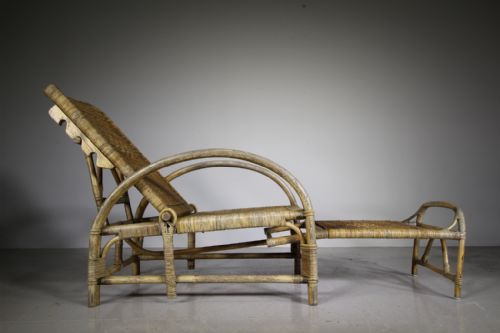
Some reclining wicker models from the nineteen-thirties allowed sunroom occupants to adjust their posture without leaving the comfort of the conservatory.
What varies in quality
The standard of a piece rests largely on the tightness and complexity of the handweaving, alongside the structural soundness of the underlying frame. Maker attribution significantly influences standing, particularly when associated with recognised workshops like Dryad.
The integrity of natural materials dictates longevity, with well-preserved cane and rattan showing even patination and minimal splitting across the arms and seat. Proportion and comfort further distinguish standard utility seating from finer designed lounge chairs.
Dryad of Leicester·Angraves of Leicester
The Antique Conservatory Armchair Glossary
- Bergere
- A type of upholstered armchair with an enclosed wooden or cane frame, often featuring woven cane panels on the back and sides. This style provides a lighter visual weight than fully upholstered seating.
- Rattan
- A climbing palm native to tropical regions, used extensively for its flexible and durable stems in furniture making. It forms the structural ribs and decorative weaves of many vintage chairs.
- Cane
- The outer skin of the rattan stalk, split and woven into intricate mesh patterns for seats and backs. It offers both resilience and flexibility under use.
- Arts and Crafts
- A design movement valuing handcraftsmanship, traditional materials, and simple utility over mass production. Pieces from this tradition often display honest construction and visible natural textures.
- Art Deco
- A style characterised by sleek geometric lines, stylised motifs, and modern industrial influences from the nineteen-twenties and nineteen-thirties. In seating, this translates to rounded profiles and distinctive decorative framing.
Antique Conservatory Armchair: Frequently Asked Questions
How do I care for cane and rattan?
Keep woven furniture away from direct heat sources and extreme moisture to prevent the natural plant fibres from becoming brittle.
Dust regularly with a soft brush and occasionally wipe with a slightly damp cloth to maintain the flexibility of the material.
Were these chairs meant for outdoors?
Most wicker, cane, and rattan pieces were designed for sheltered spaces like conservatories, sunrooms, and covered verandahs rather than exposed gardens.
Iron and teak variants found in the evidence handled heavier outdoor exposure, while plant-fibre chairs require protection from rain.
How do I date an antique armchair?
Dating relies on stylistic clues, construction methods, and maker marks stamped or labeled on the wooden or wicker framework.
Twentieth-century pieces frequently show characteristics of Arts and Crafts, Art Deco, or Mid-Century Rustic design movements.
Are these armchairs comfortable for daily use?
These seats were originally built for relaxed lounging in sunrooms and country houses, offering supportive natural flex in the woven backs.
Many owners add loose cushions to enhance comfort while preserving the visible woven structure beneath.