

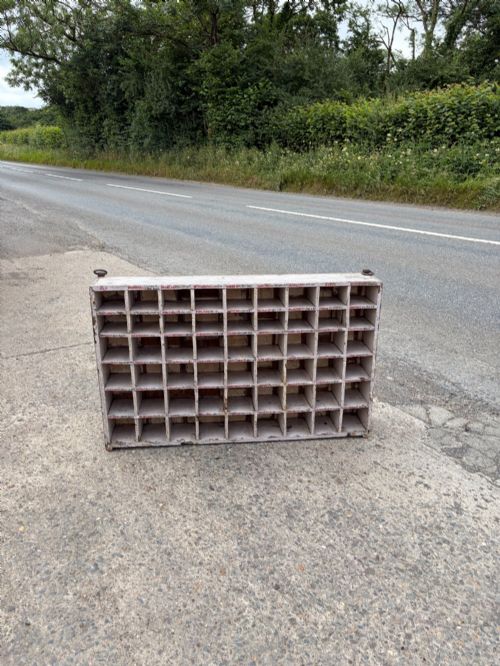


Antique Compartment Cabinet
An antique compartment cabinet conceals secret drawers and clever partitions that reward closer inspection, making these clever pieces a satisfying find for any collector.
Antique Compartment Cabinet
When you search for an antique compartment cabinet, you are looking at items designed to organise documents, small valuables or collections behind locked doors, drop fronts or clever concealed panels. The selections here span the Georgian, Regency and Victorian eras alongside early twentieth-century examples, bringing together varied forms from table-top collectors cabinets to larger haberdashery units and bureaus.
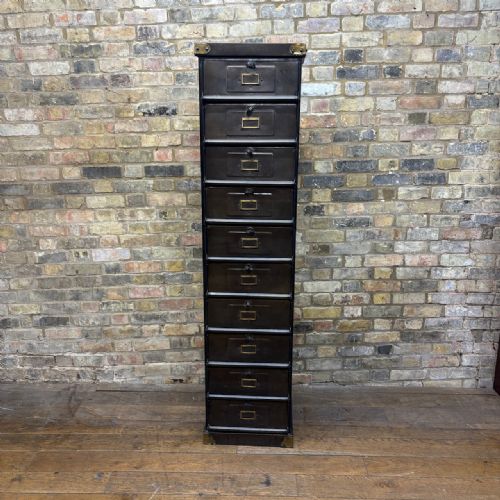
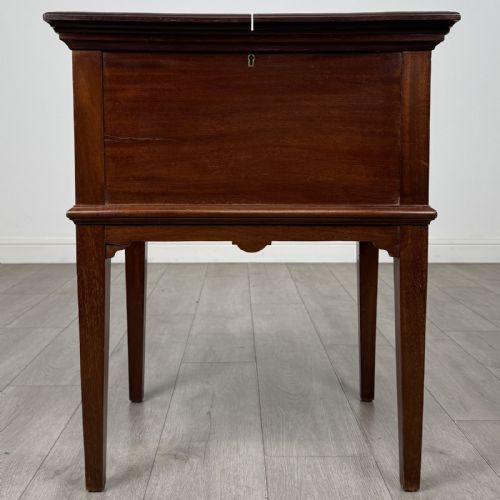
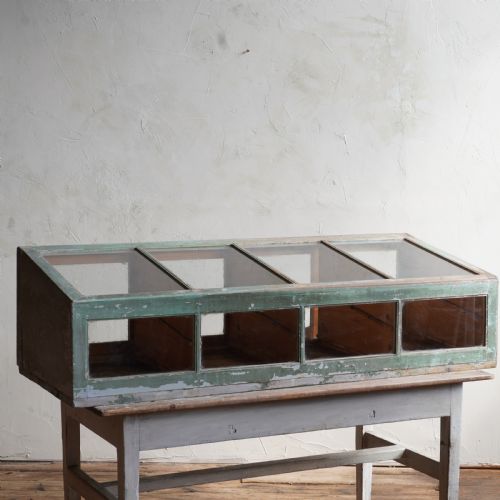
The most common versions encountered on this page are mahogany table-top chests with hidden compartments, alongside practical pigeon holes and countertop display cabinets. Pieces range from rustic industrial pigeon holes dated to nineteen thirty to refined Regency and Victorian designs featuring secret drawers integrated into bureau writing slopes or bedside tables.
Beyond standard cabinetry, the phrase also pulls up porcelain cabinet plates decorated with distinct compartmentalised dragon motifs from manufacturers like Worcester. These ceramic pieces share a thematic division of space with their wooden counterparts, though timber furniture remains the primary form of cabinet work available.
Materials and construction methods
Makers relied heavily on solid mahogany and walnut for structural carcass work, often pairing these dense timbers with pine linings for internal drawers and hidden compartments. Timber surfaces frequently showcase rich grain patterns, sometimes enhanced with painted finishes or distressed surfaces as seen on industrial countertop units.
Specialist elements involve brass hardware for locks and hinges that secure secret panels, alongside delicate gold leaf detailing found on porcelain plates featuring compartmentalised dragon patterns. Joinery prioritises tight tolerances to ensure hidden drawers slide smoothly within their wooden housings without revealing their presence to the casual observer.
Antique Compartment Cabinet Retail Price Guide 2026
Typical asking prices for compartment cabinet among the pieces listed under this phrase on Sellingantiques today, from the lower quarter to the upper quarter. They describe what is for sale here now, not the wider market.
Current listings demonstrate a strong presence of nineteenth-century mahogany furniture alongside early twentieth-century industrial pigeon holes and Georgian porcelain plates.
Assessing quality in compartment furniture
Quality rests upon the cleverness and precision of the internal mechanism, where top-tier pieces utilise intricate interlocking panels that release hidden compartments only through specific sequences. Lesser examples rely on simple removable false bottoms or straightforward sliding panels with loose tolerances.
Material selection and timber figure also divide the range, with dense solid mahogany and finely figured walnut marking out superior cabinet work against plain pine or heavily distressed utility pieces. The finesse of the internal joinery within the pigeon holes and secret drawers ultimately determines the standing of each piece.
Worcester·Barr Flight And Barr·Chamberlain Worcester
The Antique Compartment Cabinet Glossary
- Secret Compartment
- A hidden storage space concealed behind false panels, sliding dividers or trick locks within a piece of furniture. These spaces were traditionally used for storing currency, private letters or small valuables.
- Pigeon Holes
- Open rectangular compartments arranged in rows and columns, designed for sorting correspondence, documents or papers. They are frequently built into the upper sections of bureaus and writing cabinets.
- Haberdashery Cabinet
- A multi-drawer storage unit originally utilised in retail shops to organise small sewing notions and textiles. These units often feature glazed fronts or numerous shallow drawers.
- Cabinet Plate
- A decorative ceramic plate intended for display on a wall or within a cabinet rather than for everyday dining use. Worcester factories produced notable examples featuring segmented designs.
- Bureau
- A slope-front writing desk that opens to reveal a fitted interior containing small drawers and pigeon holes. Many period examples incorporate hidden compartments beneath the primary writing surface.
Antique Compartment Cabinet: Frequently Asked Questions
How do I find hidden compartments in a cabinet?
Begin by inspecting the internal depth of drawers against the external dimensions of the carcass to spot unexplained gaps. Check for removable false bottoms, sliding partitions or wooden pegs that release spring-loaded latches.
Examine the joints and mouldings around pigeon holes, as skilled makers frequently integrated secret panels into the architectural framing of the interior.
What were pigeon holes used for originally?
Pigeon holes served as an organised filing system for letters, accounts and business documents before the advent of modern office filing cabinets. Clerks and merchants sorted daily correspondence into separate slots by category or priority.
In domestic settings, they provided a tidy station within a bureau for writing letters and storing personal stationery.
How do I care for antique mahogany furniture?
Keep wooden cabinets away from direct sunlight and heat sources to prevent the mahogany timber from drying out and splitting. Dust regularly with a soft, dry cloth rather than applying silicone-based polishes that build up over time.
Maintain a stable indoor humidity level to protect delicate internal mechanisms and secret drawer joints from seizing up.
What is a dragon in compartments plate?
A dragon in compartments plate is a decorative ceramic piece featuring a traditional oriental dragon motif framed within geometric sections. These patterns were hand-painted by English porcelain factories during the early nineteenth century.
They reflect the Regency fascination with exotic design, applying compartmentalised layouts to porcelain surfaces just as cabinet makers divided space in wooden furniture.