

Antique Compactum Press
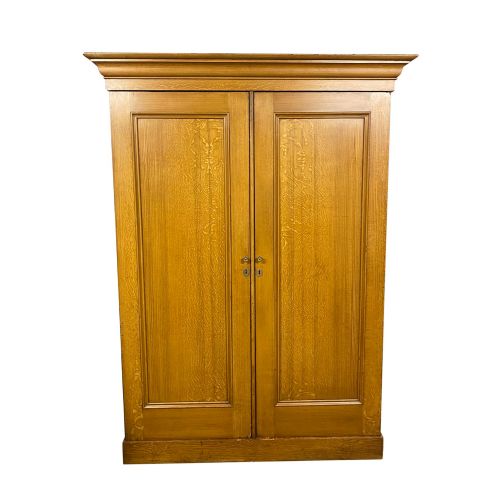
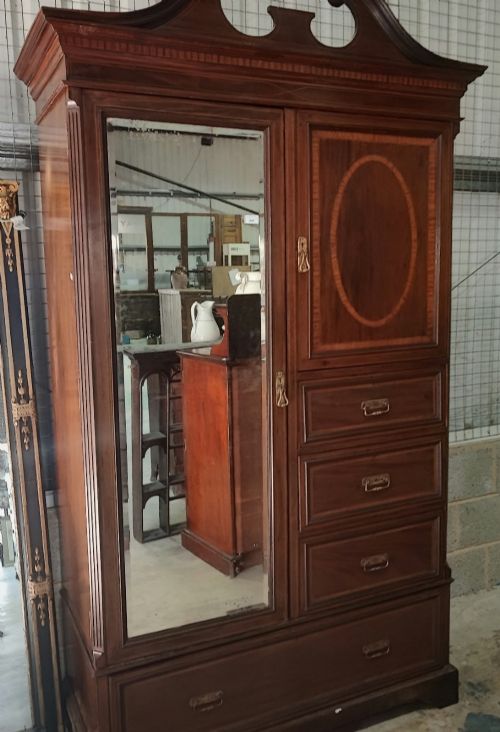
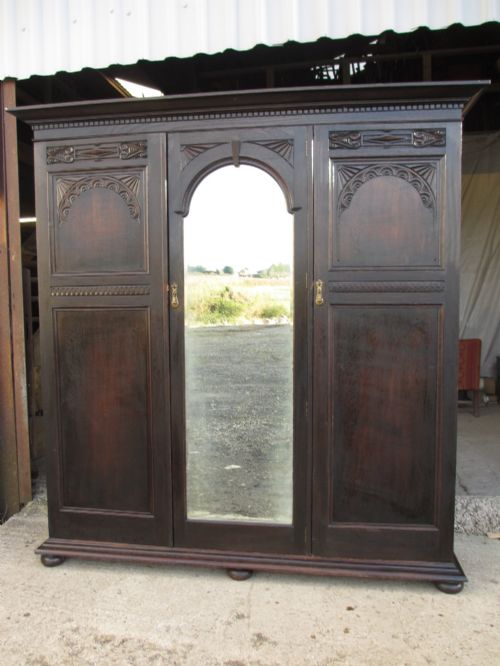
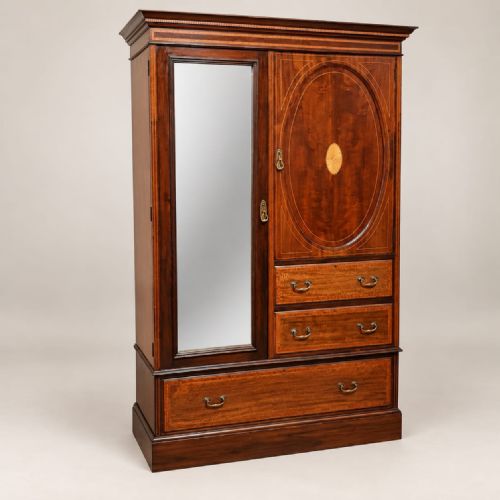
An antique compactum press combines wardrobe hanging space with linen press trays and drawers in a single monumental piece of bedroom furniture.
Antique Compactum Press
The antique compactum press is a capacious multi-compartment storage unit designed to hold an entire gentleman's or lady's wardrobe within one combined frame. Buyers examining this page will encounter substantial pieces originating primarily from the Victorian and Edwardian eras, alongside later Art Deco iterations.
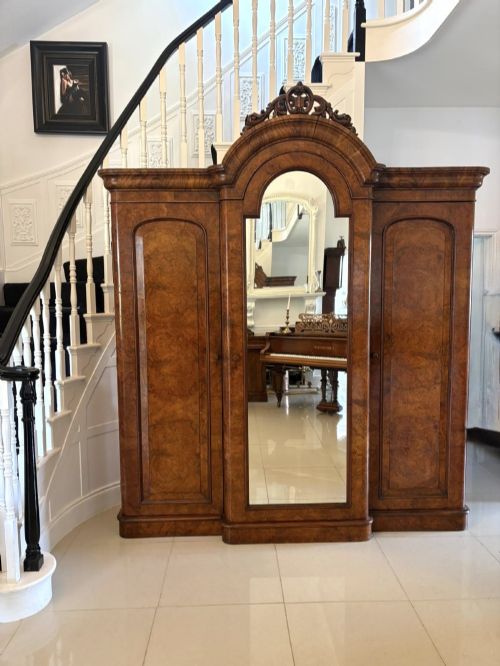
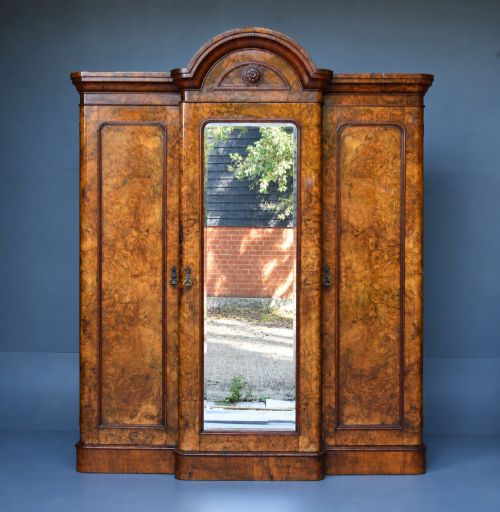
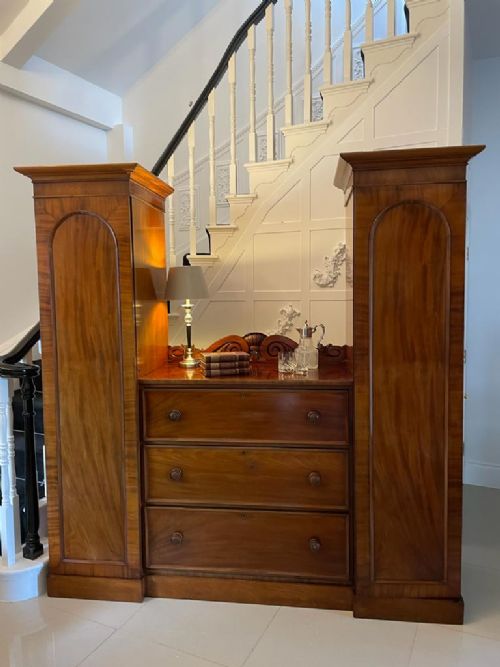
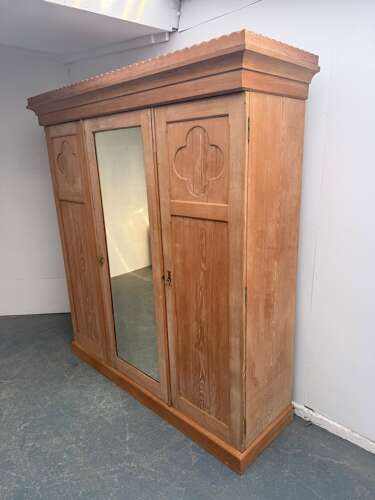
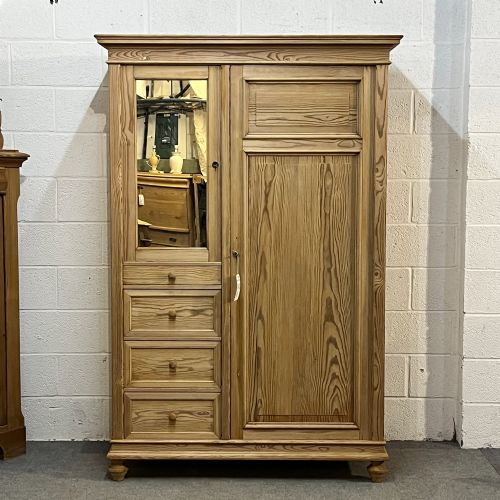
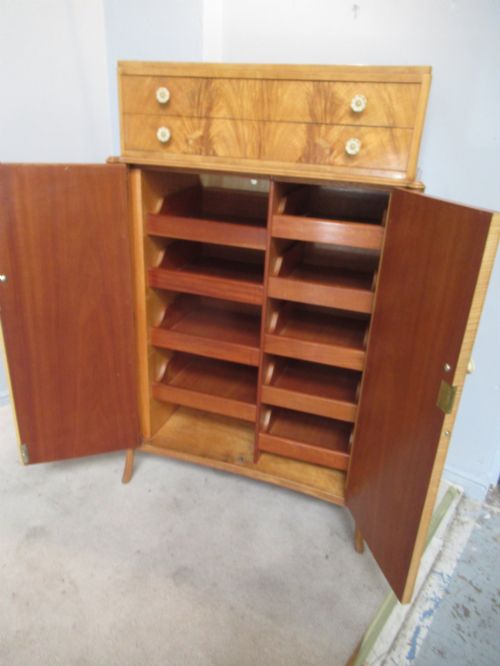
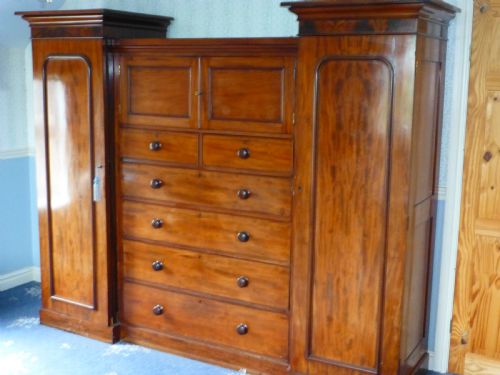
The most frequent form on this page is the triple or double wardrobe incorporating internal linen presses, sliding trays, and banks of drawers alongside hanging sections. Woods range from rich flame mahogany and burr walnut to lighter satin birch, ash, and pine.
How they were made
Cabinetmakers constructed these large carcasses using solid foundational timbers like oak or pine, subsequently veneered in figured mahogany, burr walnut, or birds-eye maple to display rich grain patterns. Interior sliding linen trays and drawer dividers utilised traditional dovetailed joinery for structural longevity.
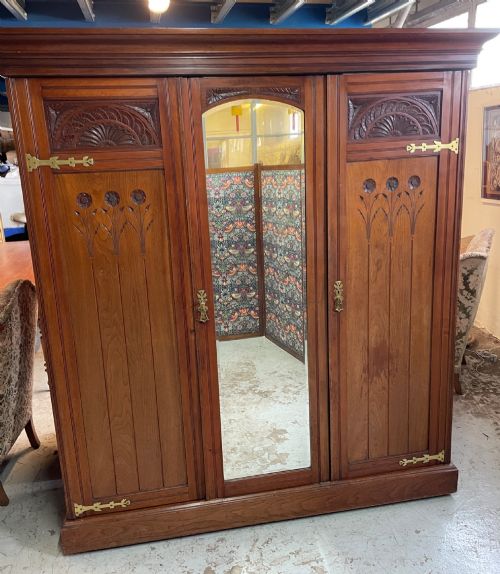
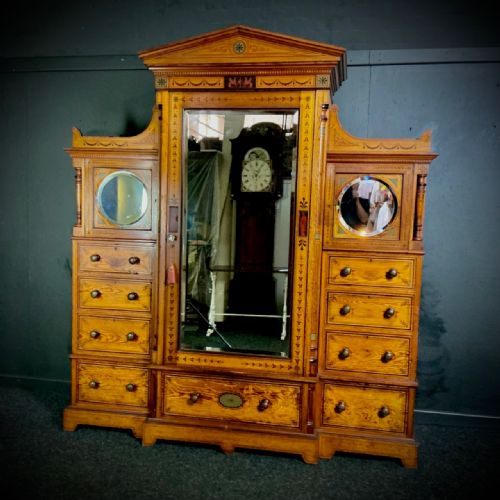
Surface ornamentation relied on inlaid contrasting woods, carved panels, and scumble paintwork, complemented by fitted brass hardware and mirrored glass door panels.
Antique Compactum Press Retail Price Guide 2026
Typical asking prices for compactum press among the pieces listed under this phrase on Sellingantiques today, from the lower quarter to the upper quarter. They describe what is for sale here now, not the wider market.
Some nineteenth-century examples preserve scumble paintwork designed to make humble pine look pleasingly like seasoned oak.
What varies in quality
Construction standards distinguish everyday utility storage from pieces produced by notable workshops, visible in the thickness of drawer linings and the precision of the veneering across large breakfront surfaces. The choice of primary timber also dictates tier, with burr walnut and flame mahogany commanding higher regard than standard pine or painted finishes.
Internal configuration completeness affects desirability, particularly the retention of original sliding linen trays, trouser presses, and brass hanging hooks rather than later utilitarian alterations.
Edwards and Roberts·Harris Lebus·Gillows·Lamb of Manchester·Maple and Co
The Antique Compactum Press Glossary
- Compactum
- A multi-functional piece of furniture combining wardrobes, drawers, and linen presses into one unit. This multi-purpose storage design became especially popular in the nineteenth century.
- Linen Press
- An enclosed piece of furniture containing sliding trays or shelves originally intended for storing flat linens. These trays sit behind panelled doors in the upper section.
- Breakfront
- A cabinet facade where the central section projects forward from the flanking wings. This architectural arrangement creates depth and visual interest on large triple wardrobes.
- Scumble
- A translucent decorative paint layer manipulated over a lighter base coat to imitate natural wood grain. This technique provided an alternative finish on pine furniture.
- Dovetail
- An interlocking joint formed by wedge-shaped tenons that locks drawer corners together securely. Hand-cut variations indicate traditional cabinetmaking methods.
Antique Compactum Press: Frequently Asked Questions
What is a compactum press?
A compactum press is a large combination wardrobe that integrates hanging space, linen trays, and multiple drawers into a single piece of furniture. It was designed to provide comprehensive bedroom storage without needing separate chests and wardrobes.
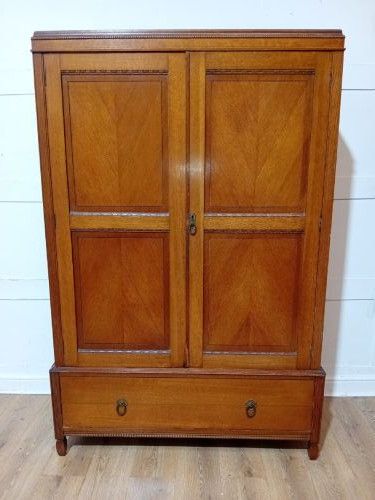
These units often feature a breakfront or multi-door design, housing specialised compartments for trousers, linens, and garments behind panelled or mirrored doors.
How were these used originally?
These pieces served as the primary wardrobe and linen storage for bedrooms in grand Victorian and Edwardian homes. Gentlemen and ladies stored their daily attire, folded garments, and household linens within the partitioned interior.
The sliding trays kept folded textiles neat, while hanging sections accommodated coats and dresses, and lower drawers held smaller items.
How do I fit one in a modern home?
Because these pieces were constructed in substantial sections, they often dismantle into component parts including a cornice, base, and multiple carcasses for easier transport and installation. Measuring ceiling height and access stairways is essential before positioning them in a modern bedroom.
They offer exceptional vertical storage capacity, replacing several smaller modern chests and wardrobes with a single statement item.
How do I date a compactum wardrobe?
Dating relies on observing the primary woods, construction techniques, and stylistic markers characteristic of specific eras such as Victorian mahogany or Edwardian inlaid satinwood. Labelled pieces or maker stamps from firms like Gillows or Maple and Co also provide clear chronological reference points.
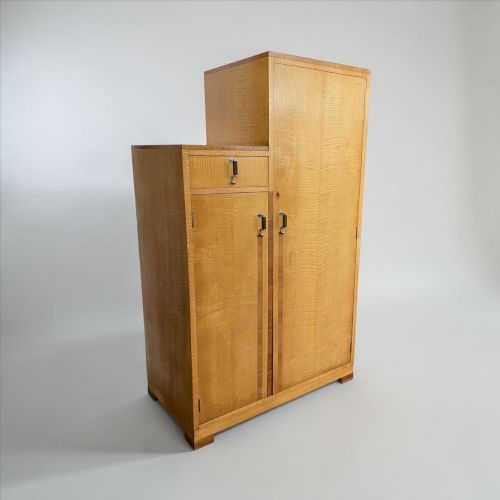
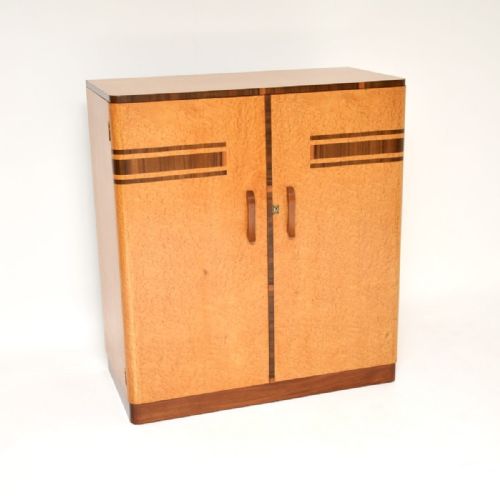
Later 1930s examples often display Art Deco geometric veneering in blonde woods like birds-eye maple.