



Antique Commercial Art
Antique commercial art encompasses the signage, counters, and fittings that once traded goods and services in shops, offices, and public spaces.
Antique Commercial Art
Antique commercial art comprises functional objects made for trade, including wall signs, display counters, cabinets, and architectural fixtures.
The pieces on this page span from the late nineteenth century through to the mid-twentieth century, drawing on periods such as the Edwardian era, Art Deco, and the Arts and Crafts movement.
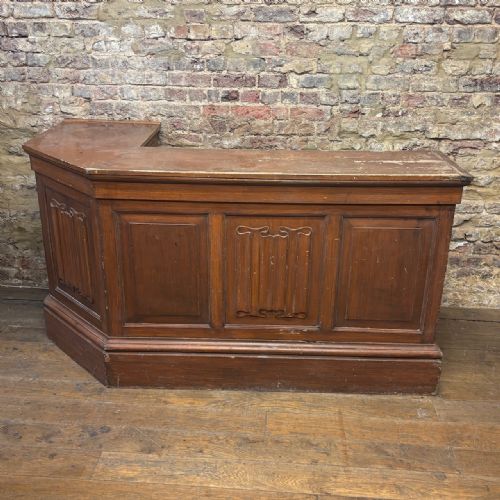
Surviving examples range from reverse-painted glass signs and brass door handles to oak haberdashery counters and carved shop trade signs.
Materials and Methods
Maker construction relies heavily on durable materials suited to heavy daily use, such as oak, mahogany, brass, iron, and glass.
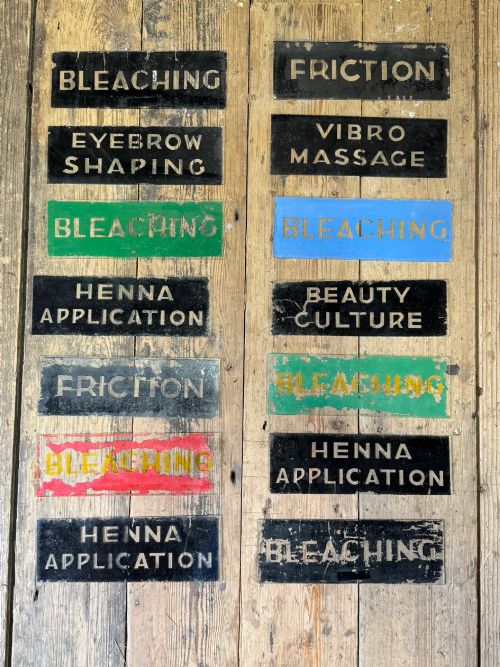
Finishes include hand-painted lettering, reverse-painted glass, beaten copper, and enamel applied to metal and wood surfaces.
Object types recorded across the inventory include architectural salvage, haberdashery counters, glass signs, display cabinets, and trade models.
Assessing Craftsmanship and Survival
Quality rests on the integrity of the original materials, the complexity of the manufacture, and the legibility of the graphics.
Pieces that retain their original paint, untreated wood surfaces, and unmodified glass panels stand above those with later restorations or replaced components.
Dudley & Co·Saml. Elliott & Sons·Pollards·John Lovibond & Sons
The Antique Commercial Art Glossary
- Reverse-painted glass
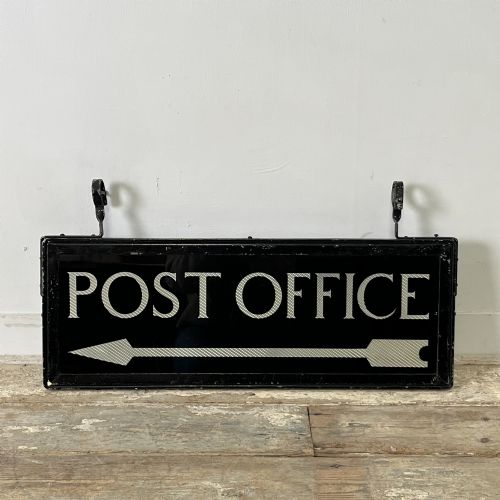
- A technique where paint or gold leaf is applied to the rear side of a glass panel to be viewed from the front, protecting the pigment from damage. This method was widely used for trade signs and window panels.
- Haberdashery counter
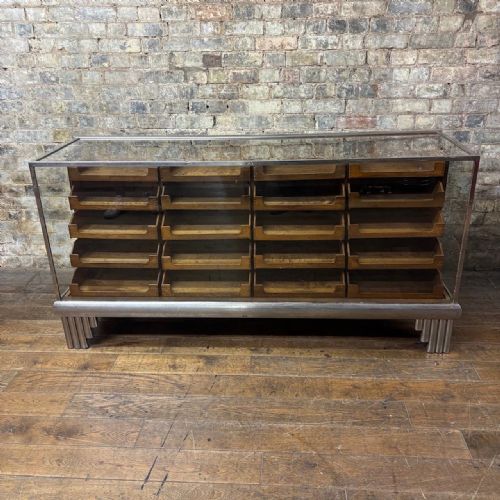
- A long shop display unit typically featuring multiple glass-fronted drawers or display compartments designed to hold small textiles and accessories. They often combine oak or mahogany frames with chrome or brass fittings.
- Trade sign
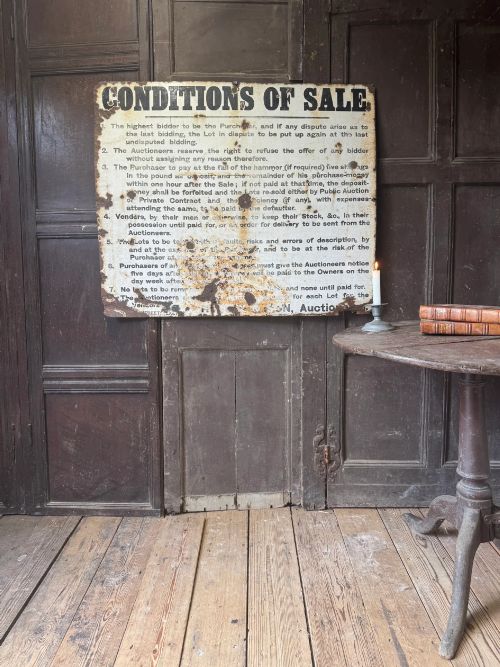
- A graphic or sculptural object displayed outside or inside a shop to indicate the trade carried on within. Examples include carved wooden figures, metal direction signs, and enamel notices.
- Architectural salvage
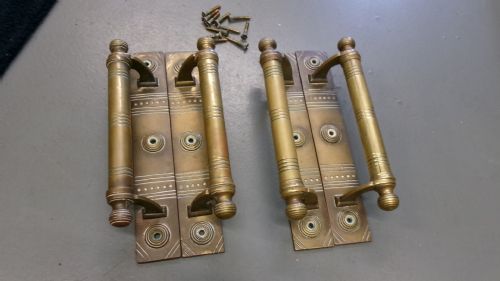
- Building elements rescued from demolition or alteration, including door handles, banqueting tables, and chandeliers. These pieces repurpose commercial or public infrastructure for domestic or new commercial interiors.
- Arts and Crafts
- A design movement valuing handcraftsmanship, traditional materials, and simple forms over mass production. In commercial art, this style manifests in beaten copper panels and golden oak furniture.
Antique Commercial Art: Frequently Asked Questions
What is antique commercial art?
Antique commercial art refers to the functional items, signs, and fixtures produced for businesses, retail shops, and public buildings between the late nineteenth and mid-twentieth centuries. These pieces combine utility with graphic or sculptural design.
Items range from glass window panels and brass door handles to display counters and trade signs originating from chemists, grocers, and barbers.
How were glass trade signs made?
Glass trade signs were frequently created using reverse painting or gilding techniques, where artisans applied lettering and imagery directly to the back of the glass panel. This protected the design from wear in busy shop environments.
Surviving examples often feature intricate typography and hand-mixed pigments designed to catch the light in shop windows.
How can I integrate commercial displays at home?
Large display counters and haberdashery cabinets provide substantial storage while serving as central focal points in kitchens, living rooms, or hallways. Their glass fronts allow for the display of collections and personal objects.
Smaller pieces, such as wall signs, clocks, and mirrors, can be mounted easily in smaller domestic spaces to add industrial or mid-century character.
How do I date an antique shop sign?
Dating relies on the materials, typography styles, and manufacturing techniques characteristic of specific decades. For instance, heavy use of enamel and cast iron often points towards the early twentieth century, while certain modernist fonts align with the Art Deco period.
Makers' marks, where present on metal frames or wooden backing boards, offer further chronological clues.