





Antique Commemorative Pottery
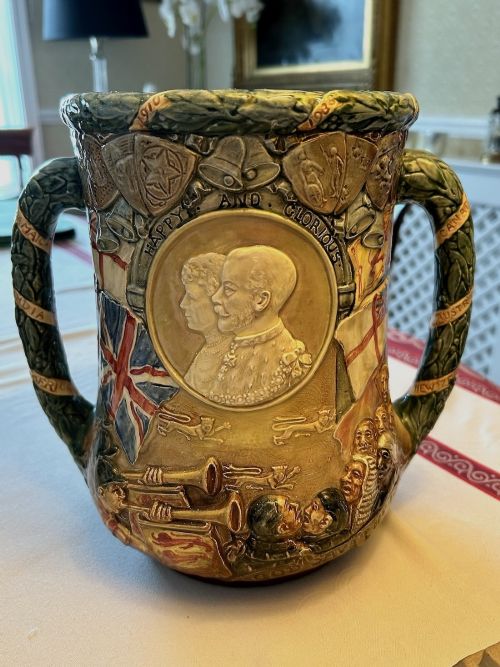
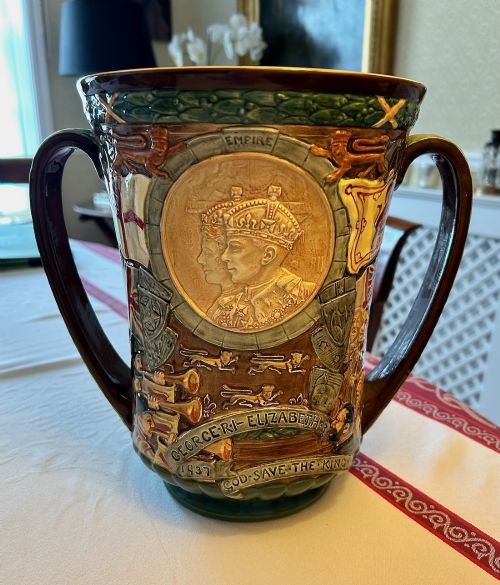
These pieces of antique commemorative pottery mark royal jubilees, famous campaigns and public heroes in earthenware, stoneware and lustre glaze.
Antique Commemorative Pottery
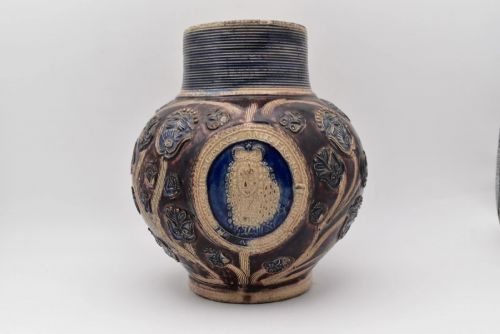
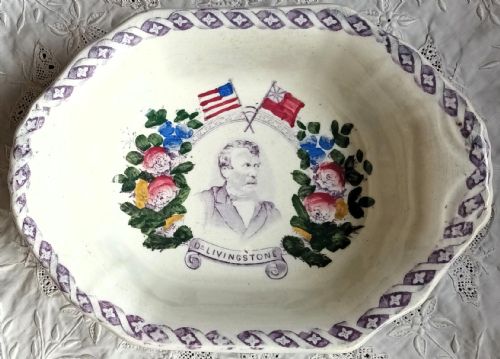
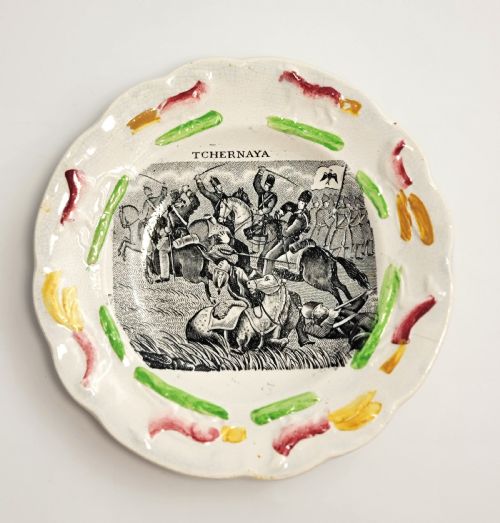
When you examine antique commemorative pottery, you encounter jugs, figures, dishes and mugs created to record specific historical events, reigns and public figures. The examples found here span several centuries, reaching from seventeenth-century stoneware through Georgian and Victorian pieces up to twentieth-century royal jubilees.
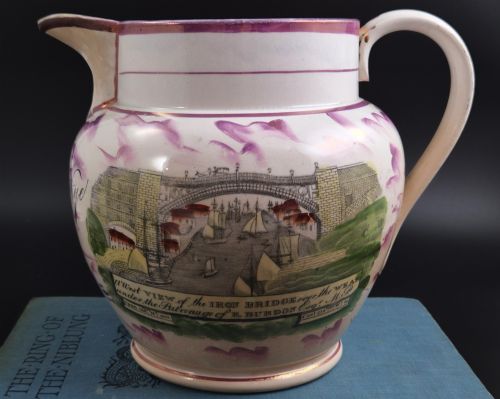
The versions you are most likely to meet on this page include Staffordshire portrait figures of monarchs and statesmen alongside Sunderland lustre jugs bearing transfer prints of local landmarks and ships. These items served as household tributes to national milestones, political alliances or local pride rather than mere utilitarian vessels.
Makers recorded historical moments through named portraits, dates and inscriptions applied directly to the ceramic body. Whether marking a royal coronation, a military victory or a specific marriage, these objects preserve the public memory of earlier eras in durable clay.
How they were made
Potters shaped these objects primarily from earthenware and stoneware, applying glazes and enamel paint to build surface colour and protection. Many pieces incorporate metallic lustre glaze, creating distinctive pink splash or copper sheen effects through the chemical reduction of metal oxides in the kiln.
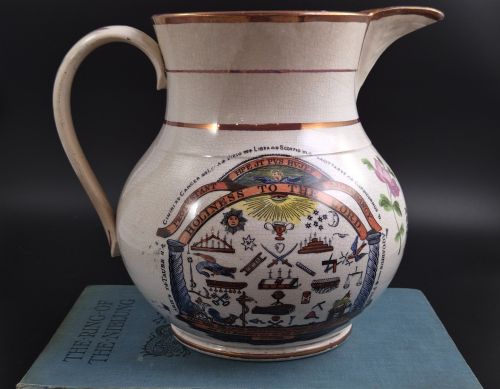
Decoration relied heavily on underglaze and overglaze transfer printing, hand-painting in polychrome enamels, and moulded relief details. Stoneware jugs often featured incised or applied sprigged designs, while earthenware figures required multi-part moulds before receiving detailed hand-finished pigments.
Antique Commemorative Pottery Retail Price Guide 2026
Typical asking prices for commemorative pottery among the pieces listed under this phrase on Sellingantiques today, from the lower quarter to the upper quarter. They describe what is for sale here now, not the wider market.
Listings feature earthenware and stoneware pieces spanning from the seventeenth century through the Victorian era to the mid-twentieth century.
What varies in quality
The richness of the metallic lustre and the vibrancy of the polychrome enamel palette also define the upper tier of the range. Depth of historical detail, such as specific named inscriptions and precise dating, elevates pieces above standard mass-produced wares.
Royal Doulton·Copeland Spode·Doulton Lambeth·Sarreguemines·Wemyss
The Antique Commemorative Pottery Glossary
- Lustre glaze
- A ceramic finish containing metallic elements that produce a reflective, iridescent sheen when fired. Sunderland pieces frequently utilise pink splash lustre.
- Stoneware
- A dense, hard ceramic fired at high temperatures until vitrified, making it impermeable to liquids without requiring a glaze. Westerwald jugs are typical examples.
- Earthenware
- Porous pottery fired at lower temperatures that requires a vitreous glaze to hold liquids. Most nineteenth-century Staffordshire figures and jugs are built from this material.
- Polychrome
- Decorated in multiple distinct colours. Enamel paint provides this multicoloured finish over the initial glaze.
- Transfer print
- A decorative technique where an engraved copper plate transfers an ink design onto paper and then onto the ceramic surface before firing.
Antique Commemorative Pottery: Frequently Asked Questions
What is antique commemorative pottery?
These ceramic pieces were made to record specific historical events, royal reigns, military campaigns and notable public figures. They include jugs, figures, plaques and dishes created to mark moments such as coronations or military victories.
Potters used earthenware, stoneware and lustre glazes to form these lasting tributes. Families displayed them in homes as physical connections to national and local history.
How were commemorative jugs used?
Many jugs served as functional tableware for ale or water during celebrations and public toasts. Others functioned purely as display pieces on mantelpieces to honour monarchs or heroes.
Large capacity vessels were often commissioned for weddings or civic events. Their inscriptions and portraits prompted conversation among guests gathered around the table.
How do I date a commemorative piece?
Dates often appear directly on the object through painted inscriptions, transfer-printed text or named historical events. Monarchs' reigns and specific jubilees provide a clear manufacturing window for the item.
Material choices also help establish age, with seventeenth-century stoneware differing noticeably from Victorian earthenware. Examining the glaze type and moulding style narrows the period further.
Where were these pieces made?
Production centred in major British ceramic districts, particularly Staffordshire, Sunderland and Scottish potteries like Portobello and Wemyss. Continental factories also produced specific commemorative items for British markets.
Local potteries drew upon regional pride, creating jugs with local bridges or historical figures. Staffordshire workshops dominated the creation of portrait figures and commemorative tableware.