


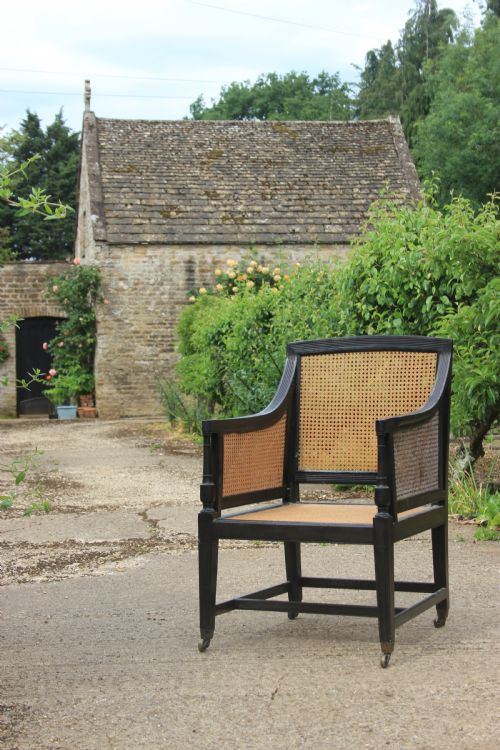


Antique Colonial Seating
These pieces of antique colonial seating span centuries of global craftsmanship, offering enduring utility and distinct regional character.
Antique Colonial Seating
When you search for antique colonial seating, you find armchairs, benches, dining chairs, and stools shaped by global trade, empire, and regional traditions. The inventory on this page ranges from the 17th century through to the 1920s, with a strong presence of nineteenth-century items.
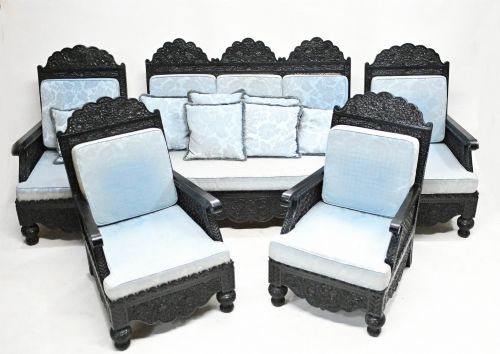
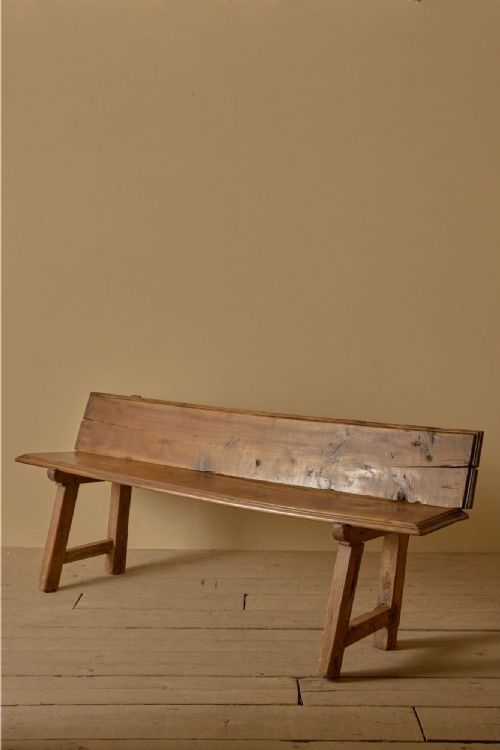
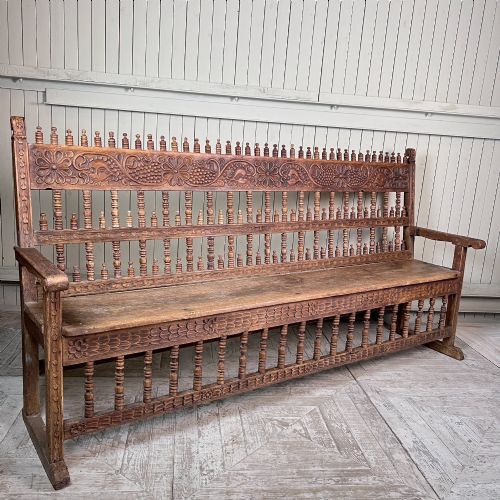
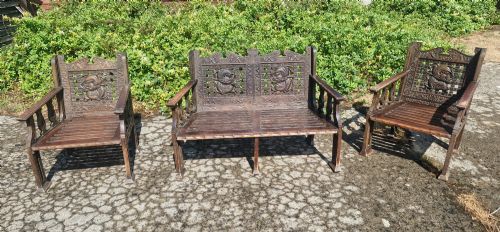
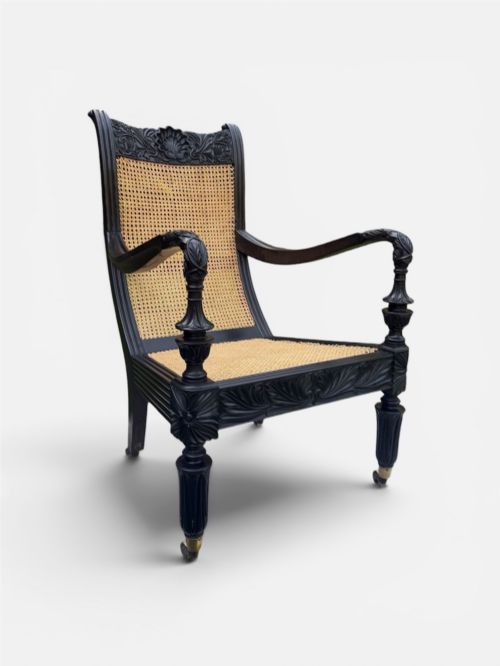
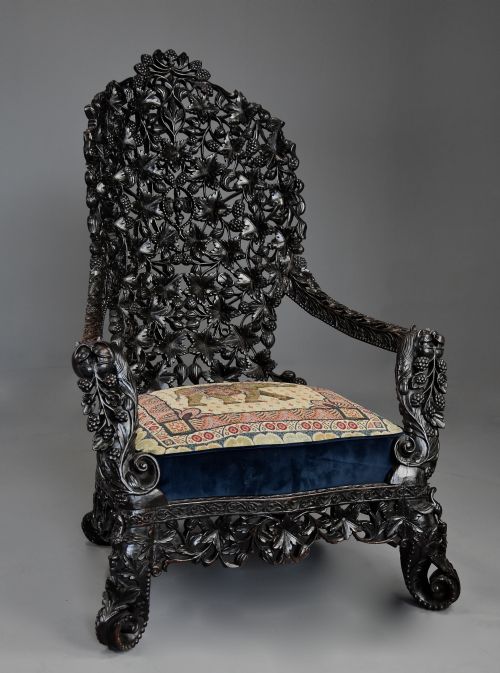
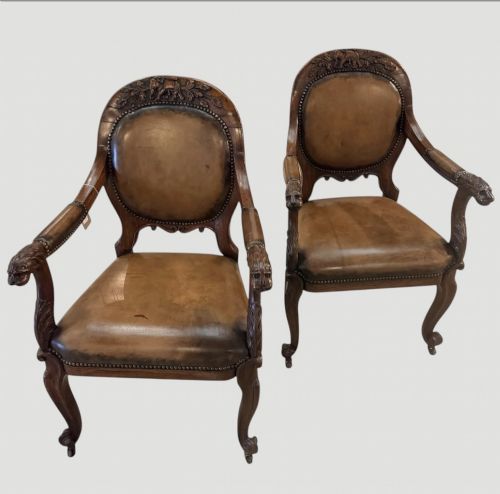
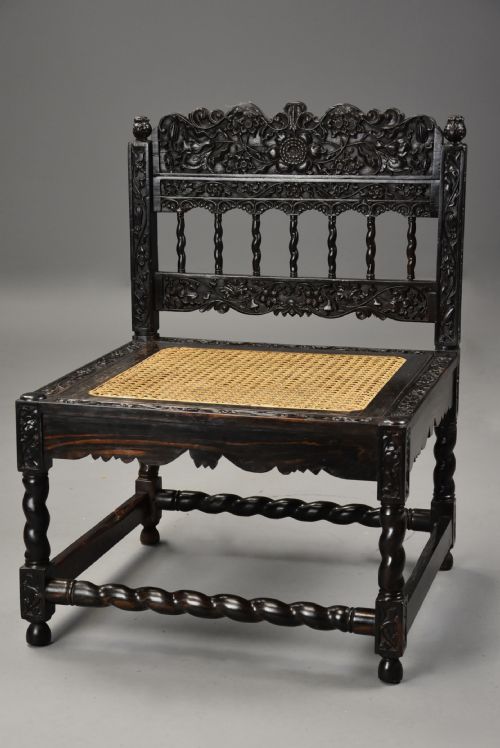
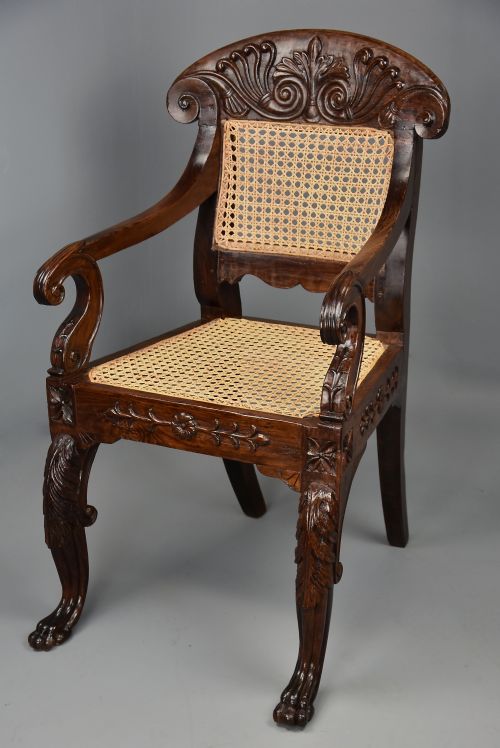
The regional styles represented include Anglo-Indian, Cape Dutch, Spanish Colonial, and Batavian baroque. Pieces take the form of heavy ebony armchairs, teak veranda benches, rosewood library chairs, and folding chairs.
You are most likely to encounter nineteenth-century Anglo-Indian rosewood and teak armchairs, alongside side chairs, settees, and benches originating from India, Ceylon, South Africa, and Spain.
Materials and construction methods
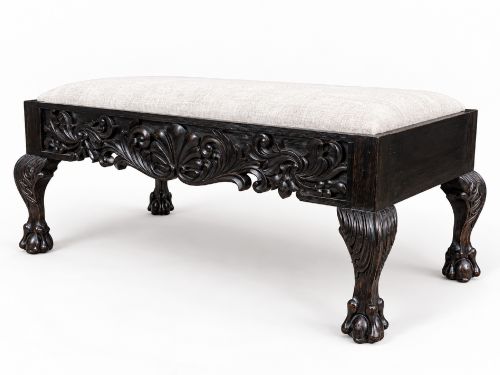
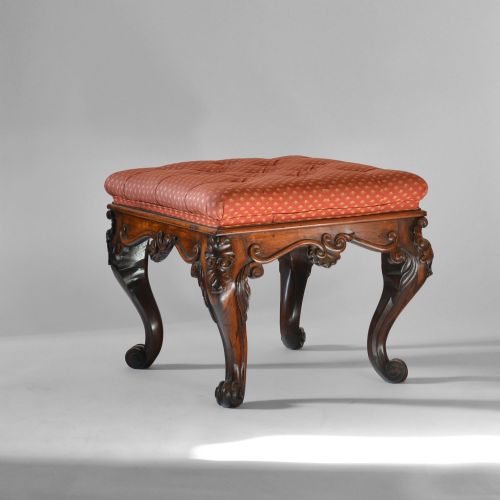
Makers utilised dense timbers native to their regions, predominantly solid ebony, rosewood, teak, padouk, satinwood, stinkwood, and walnut. These heavy hardwoods permitted deep, intricate carving without compromising structural integrity.
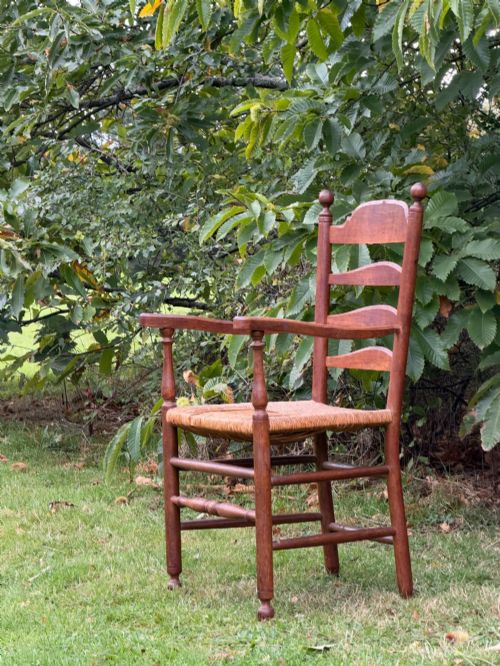
Seating surfaces frequently incorporate natural materials such as cane, woven rattan, rush, leather, fabric, and brass hardware details. Construction often combines traditional joinery with regional turning and relief carving depicting foliage, scrolls, and animal figures.
Antique Colonial Seating Retail Price Guide 2026
Typical asking prices for colonial seating among the pieces listed under this phrase on Sellingantiques today, from the lower quarter to the upper quarter. They describe what is for sale here now, not the wider market.
Several pieces feature carved wooden elephants discreetly supporting the framework, standing ready to carry weary sitters across the room.
Distinctions in craftsmanship and design
The upper tier of these pieces demonstrates exceptional depth and crispness in hand-carved relief work, particularly on solid ebony, rosewood, and padouk frames. Lesser examples rely on simpler turning or coarser surface decoration.
Proportion and material selection dictate distinction, such as the use of solid Rio rosewood or dense Coromandel Coast ebony rather than secondary domestic timbers. Complete suites and matching pairs carry greater design cohesion than isolated single chairs.
The Antique Colonial Seating Glossary
- Bergere
- An enclosed upholstered armchair with a wooden frame, frequently featuring cane panels on the back and sides. This form appears in solid ebony variants.
- Plantation chair
- A large armchair equipped with extended, pivoting armrests designed for reclining in tropical climates. These often use teak, leather, or woven rattan.
- Padouk
- A heavy, durable tropical hardwood with a reddish hue used extensively for colonial furniture and seating frames.
- Stinkwood
- A highly prized South African timber utilised in regional furniture production, known for its distinct scent when freshly worked.
- Cane
- Strips of rattan woven into open mesh patterns to form cool, flexible seating panels on chairs and benches.
Antique Colonial Seating: Frequently Asked Questions
How were plantation chairs used?
These chairs served for resting and sleeping on deep verandas during hot weather. The extended arms doubled as leg rests.
Their adjustable components allowed users to recline comfortably without indoor upholstery retaining heat.
What defines Anglo-Indian furniture?
European furniture forms built by local craftsmen in India using regional tropical hardwoods. They blend British Regency or Victorian silhouettes with intricate local carving.
Motifs often include native foliage, scrollwork, and figures executed in ebony, teak, or rosewood.
Are these chairs comfortable for daily use?
Many models offer deep seats and supportive high backs designed for lounging or dining. Caned and rush variations provide natural give.
Adding appropriate cushions adapts firm wooden benches and solid armchairs for modern seating needs.
How do I identify South African colonial pieces?
Look for characteristic regional timbers such as stinkwood alongside Cape Dutch stylistic influences. These items often present sturdy proportions and distinct local joinery.
Benches and chairs from this origin reflect European design adapted to the Cape Colony.