


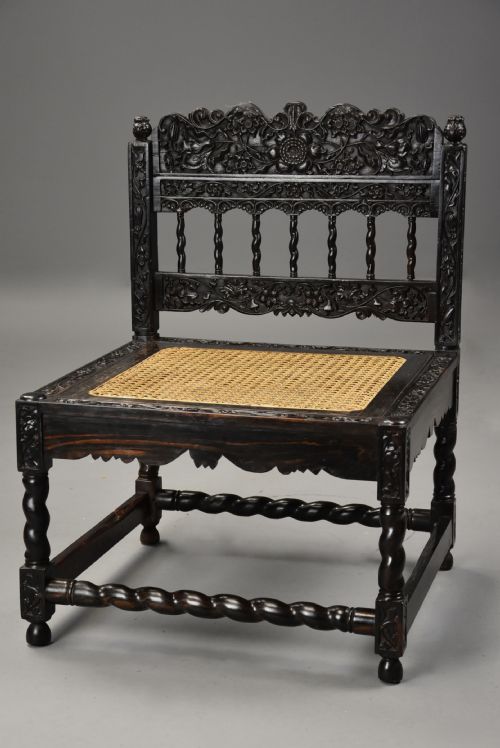


Antique Colonial Cane
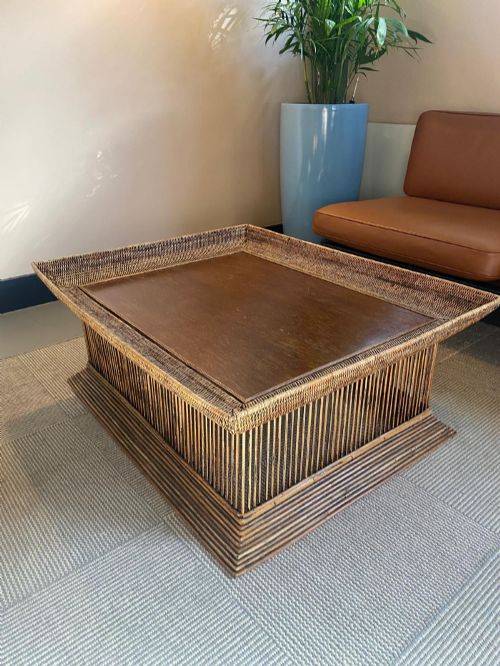
An antique colonial cane piece brings tropical craftsmanship and structural lightness into a room, offering tactile seating built for warmer climates.
Antique Colonial Cane
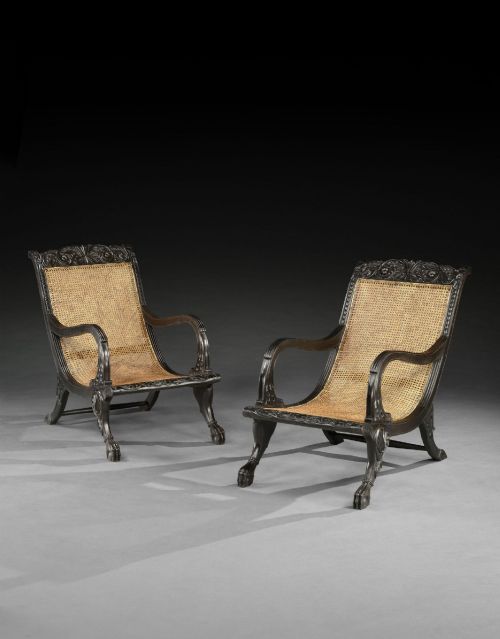
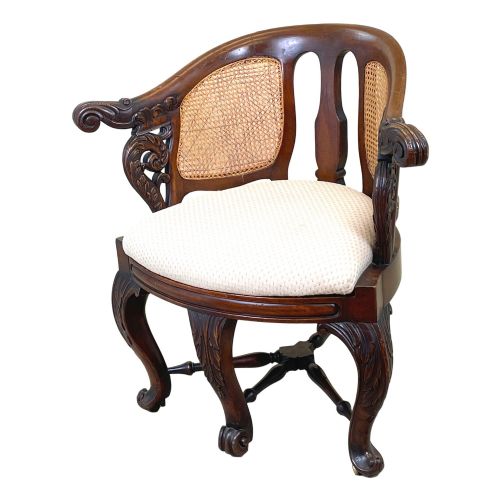
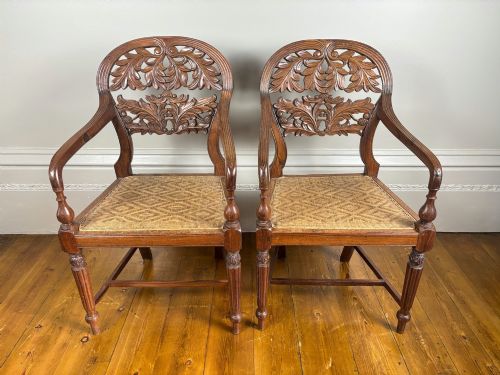
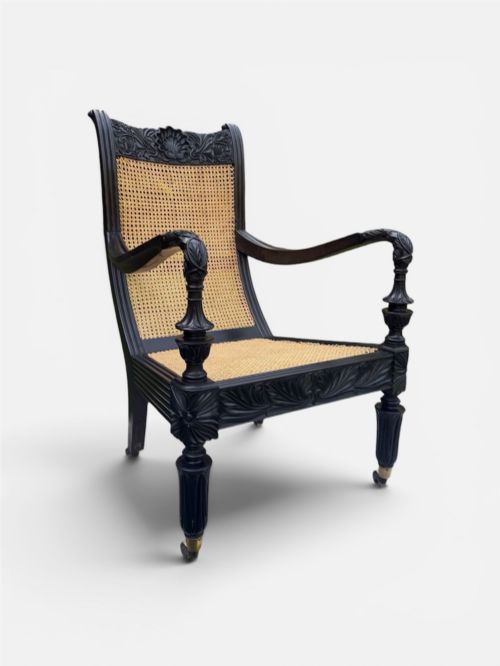
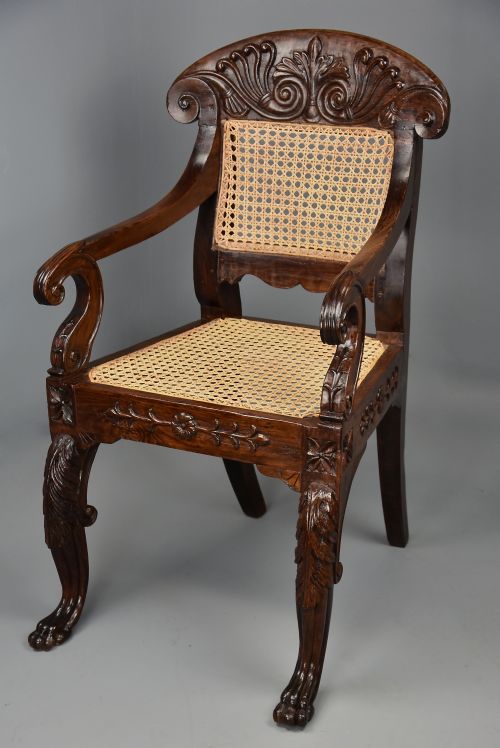
When you search for antique colonial cane, you encounter seating and daybeds shaped by British and European trade routes across India, Ceylon, and Burma. These forms include robust planters chairs with extended arms, low chairs, and armchairs carved from dense tropical hardwoods.
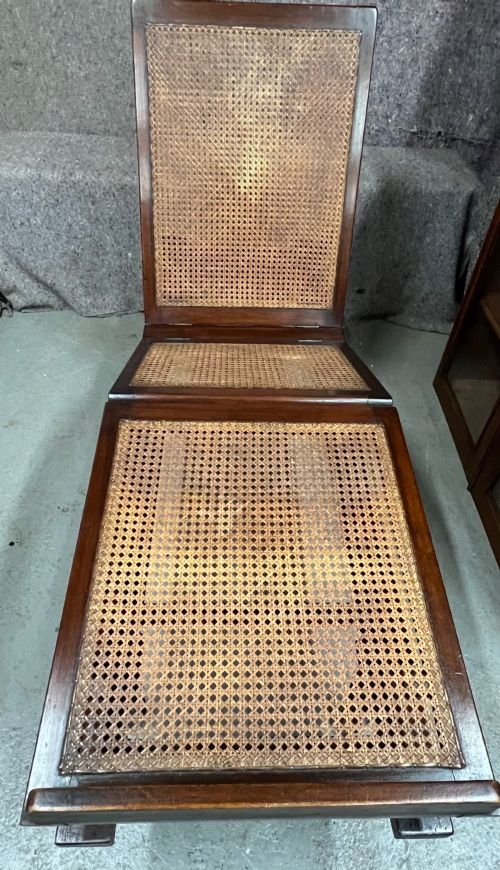
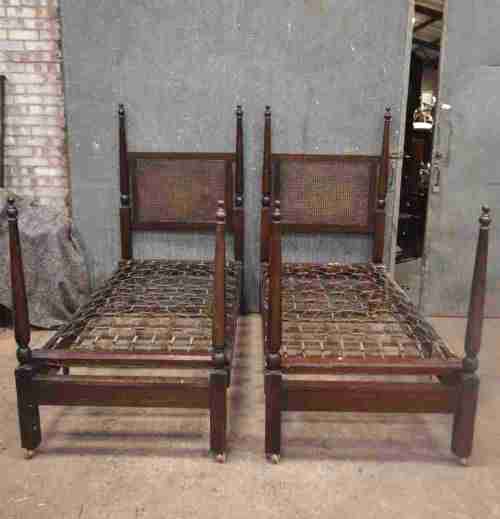
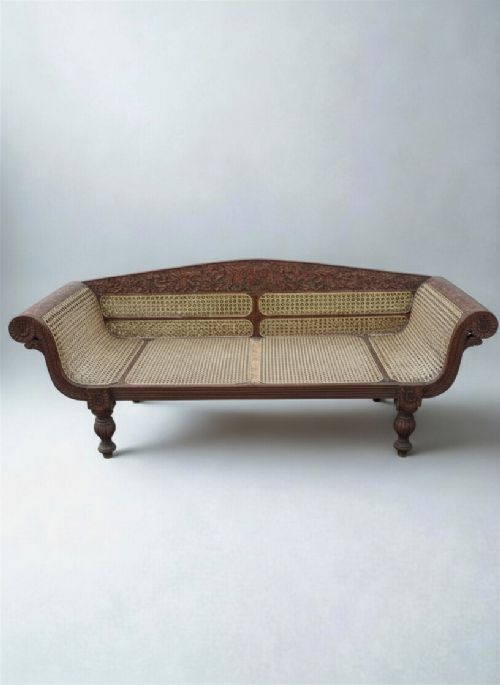
The objects on this page span from the seventeenth century through the early twentieth century, taking shape within Anglo-Indian, Regency, and campaign traditions. Armchairs and daybeds dominate the selection, often featuring woven seating panels designed for airflow.
Materials and construction methods
Cabinetmakers utilised heavy exotic timbers such as ebony, padouk, satinwood, and rosewood alongside structural oak and teak. These dense woods supported intricate hand-carving while enduring humid climates without warping.
Cane and rattan materials were woven into open mesh panels for seats and backrests, secured directly into wooden frames to provide resilient support.
Antique Colonial Cane Retail Price Guide 2026
Typical asking prices for colonial cane among the pieces listed under this phrase on Sellingantiques today, from the lower quarter to the upper quarter. They describe what is for sale here now, not the wider market.
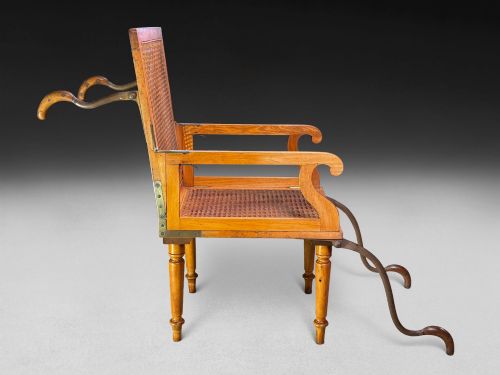
Planters chairs feature extendable arms that double as footrests, engineered for maximum afternoon repose in tropical heat.
Assessing quality and craftsmanship
Quality rests upon the density of the timber and the depth of the hand-carved ornamentation across the frame. Solid ebony and finely figured rosewood command greater regard than softer secondary woods.
The precision of the cane weaving and the integrity of the original joints determine the overall caliber of the piece. Superior examples retain crisp floral or scroll motifs without excessive replacement of the woven panels.
The Antique Colonial Cane Glossary
- Cane
- Material woven from the peeled outer bark of rattan palms, forming resilient seats and backs. It provides flexible support well-suited to warm environments.
- Bergere
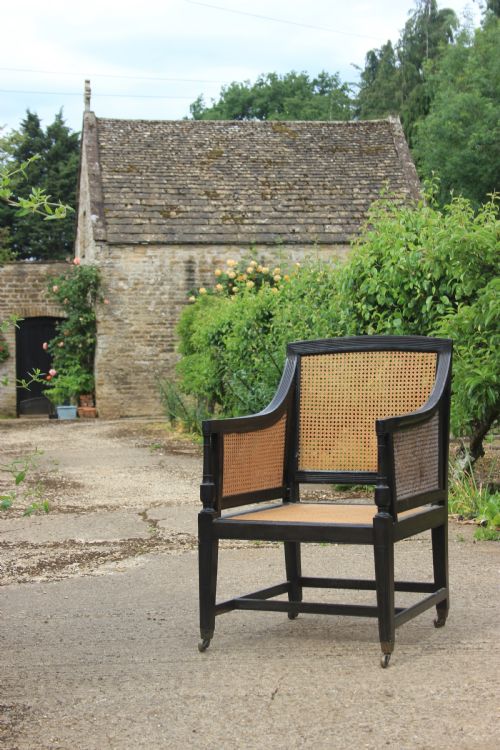
- An enclosed upholstered or caned armchair with wooden sides. This French form found popular adaptation in colonial workshops.
- Campaign style
- Portable furniture designed for military officers on the move. These pieces often feature modular construction or folding elements.
- Padouk
- A heavy tropical hardwood native to Asia, known for its reddish hue and durability. It takes intricate carving exceptionally well.
- Planters chair
- A lounging seat featuring broad, flat arms intended for resting the legs. This form developed for colonial verandas.
Antique Colonial Cane: Frequently Asked Questions
How do I care for antique cane?
Keep caned furniture away from direct heat sources and radiators to prevent the natural material from drying out and snapping. Lightly dust the weave with a soft brush and occasionally dampen the underside with a sponge to maintain moisture.
Avoid applying heavy polishes or oils directly to the cane surface, as buildup clogs the open weave. Professional repairers can re-web panels using traditional methods if damage occurs.
Where were these pieces used?
These chairs and daybeds furnished colonial bungalows, administrative offices, and verandas across the Indian subcontinent and Ceylon. Their open cane construction allowed cool air circulation during hot months.
Officers on military campaign also packed folding or modular variants for use in the field. Today, they suit reception rooms and conservatories.
How do I date an antique chair?
Examine the timber species, tool marks, and construction joints to establish an approximate period of origin. Regency examples often display classical scroll backs, while Victorian pieces incorporate denser floral carvings.
Compare the framing techniques against documented regional workshops from India and Sri Lanka. Variations in turning and joinery help distinguish seventeenth-century items from later revival pieces.
Is the cane on these pieces original?
Many surviving antiques have undergone re-caning over the decades due to the natural fragility of plant fibres. Professional restoration often replaces worn panels while leaving the original hardwood frame untouched.
Inspect the tension and colour of the weave to determine whether it dates to the primary period of manufacture. Uniform tightness usually indicates modern repair work.