



Antique Colonial Bed
An antique colonial bed brings warmth and historic craftsmanship to a bedroom through rich tropical timbers and grand proportions.
Antique Colonial Bed
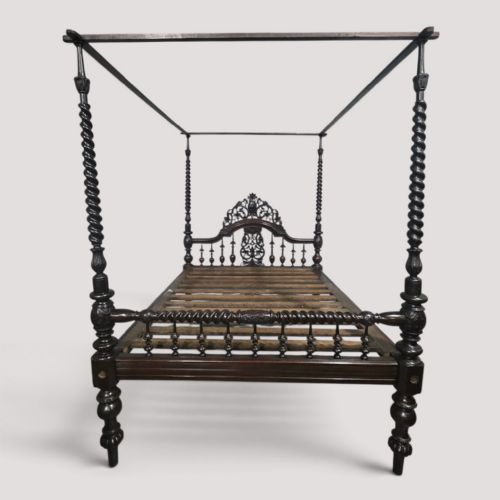
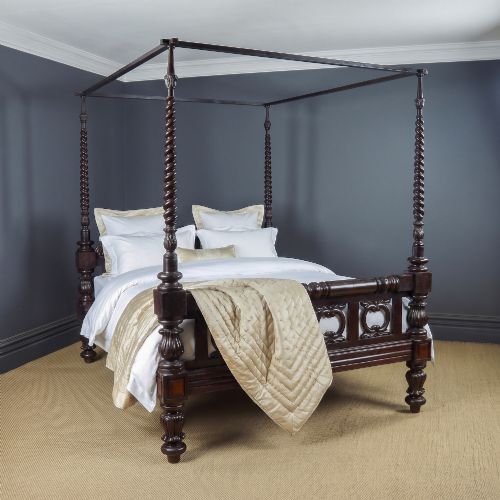
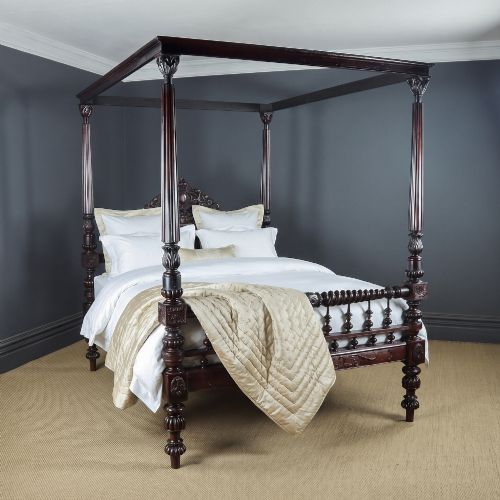
An antique colonial bed encompasses substantial sleeping furniture produced during the nineteenth and early twentieth centuries across various British and American colonial territories. Buyers searching for an antique colonial bed will encounter diverse forms including grand four-poster structures, versatile daybeds, and single configurations.
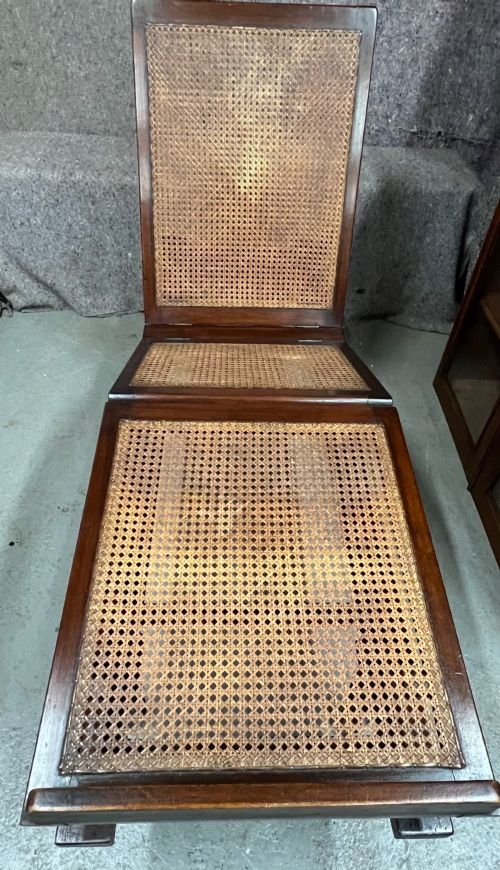
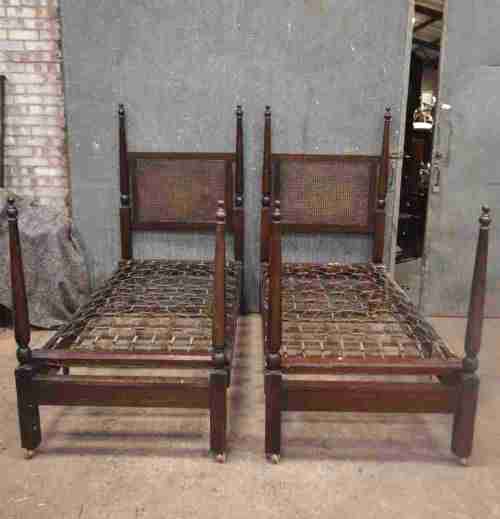
The pieces listed on this page showcase distinct regional styles such as Anglo-Indian, British Colonial, Colonial Campaign, and American Federal designs. Materials range from dense hardwoods like teak and mahogany to exotic calamander and rio rosewood, often paired with woven cane seating or textiles.
How they were made
Cabinetmakers utilised durable tropical timbers including teak, mahogany, calamander, and rio rosewood to withstand humid climates and heavy daily use. Oak and tiger maple also appear in specific regional American and British variants.
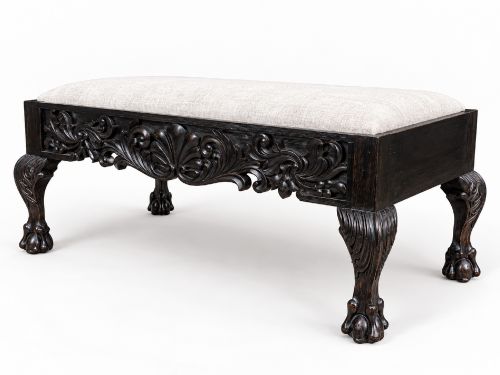
Construction techniques frequently involved intricate hand carving on structural posts and headboards, alongside the integration of natural cane seating for ventilation. Brass hardware and campaign style joints facilitated dismantling for transport.
Antique Colonial Bed Retail Price Guide 2026
Typical asking prices for colonial bed among the pieces listed under this phrase on Sellingantiques today, from the lower quarter to the upper quarter. They describe what is for sale here now, not the wider market.
Materials recorded across the inventory include teak, mahogany, calamander, rio rosewood, oak, brass, cane, and linen textiles.
What varies in quality
The refinement of hand carving on the wooden posts and headboards dictates the aesthetic upper tier of these beds. Crisp, deep relief work on dense timbers like calamander or mahogany separates finer examples from plainer utility pieces.
The integrity of integrated cane work and the selection of solid secondary woods influence overall construction standards. Original brass fittings and intact structural joinery maintain the historical authenticity of the piece.
The Antique Colonial Bed Glossary
- Calamander
- A heavy, durable hardwood sourced from India and Sri Lanka, characterised by a rich brown colour with dark contrasting grain stripes. Cabinetmakers utilised it for high-status furniture.
- Cane
- Woven rattan material used for seat panels and headboards to provide cool ventilation in warm climates. It requires skilled hand weaving around a drilled frame.
- Campaign style
- Portable furniture designed for military officers to dismantle easily for travel. It typically incorporates recessed brass handles, corner brackets, and knockdown joints.
- Rio Rosewood
- A dense, heavily figured Brazilian timber prized for its dark grain and polished finish. It appears in nineteenth-century seating and frame construction.
Antique Colonial Bed: Frequently Asked Questions
What is an antique colonial bed?
An antique colonial bed is a sleeping platform or four-poster structure built during the nineteenth or early twentieth centuries in colonial regions. These pieces reflect the aesthetic traditions of ruling powers combined with local timber and craftsmanship.
They range from large ceremonial four-poster beds in mahogany and teak to simpler daybeds and campaign styles designed for transport across regions.
How do I identify the wood type?
Identifying the timber involves examining the grain, weight, and colour of the exposed framework. Nineteenth-century pieces frequently utilise dense tropical hardwoods such as mahogany, teak, calamander, or rio rosewood.
Lighter woods like oak and tiger maple appear in specific regional variants such as American Federal furniture. Natural patination and grain patterns help distinguish these materials from modern reproductions.
Are these beds standard modern sizes?
Historic beds often feature dimensions that differ slightly from modern metric or imperial mattress sizes. Many four-poster examples accommodate king or custom dimensions due to their grand nineteenth-century proportions.
Buyers should verify exact internal frame measurements before sourcing a mattress to ensure proper placement within the antique structure.
How do I care for tropical hardwood furniture?
Maintaining tropical hardwood frames involves keeping them away from direct heat sources and sudden humidity changes to prevent timber splitting. Regular dusting with a soft, dry cloth preserves the polished surface without building up wax residues.
Cane panels benefit from gentle cleaning and occasional light moisture to maintain flexibility in dry indoor environments.