





Antique Collector Piece
An antique collector piece gathers diverse curiosities, from miniature chests of drawers to natural shells, that reward close study.
Antique Collector Piece
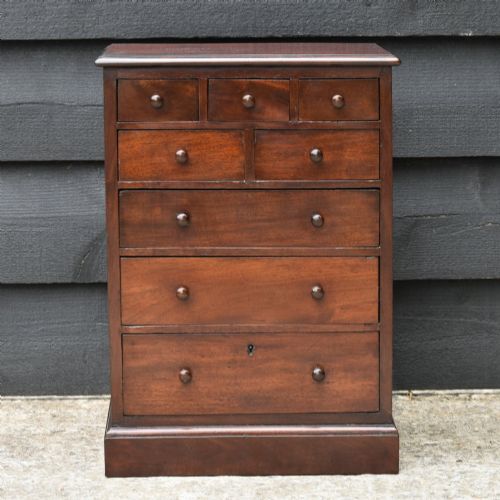
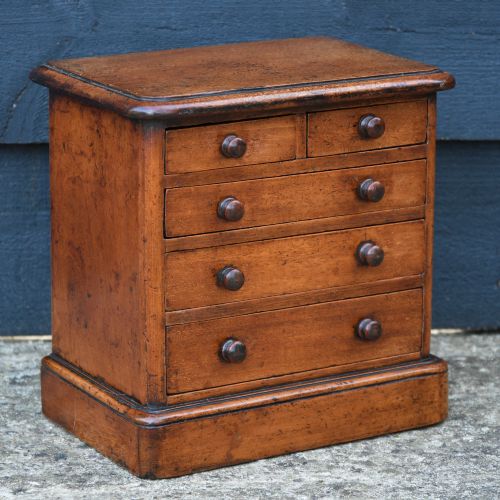
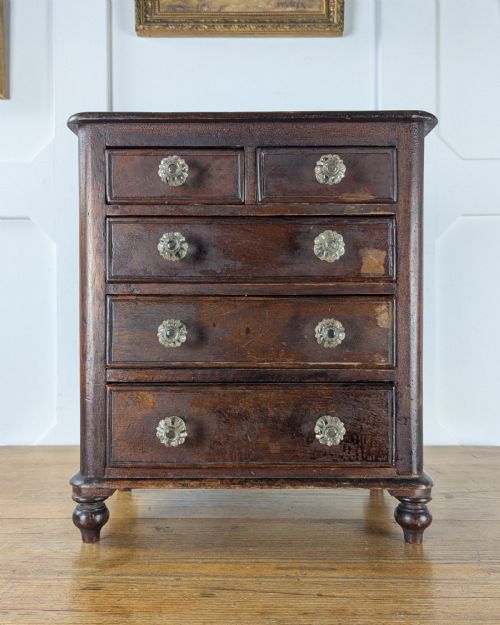
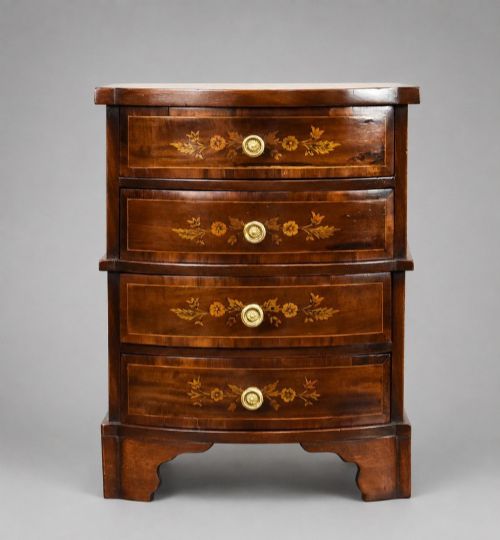
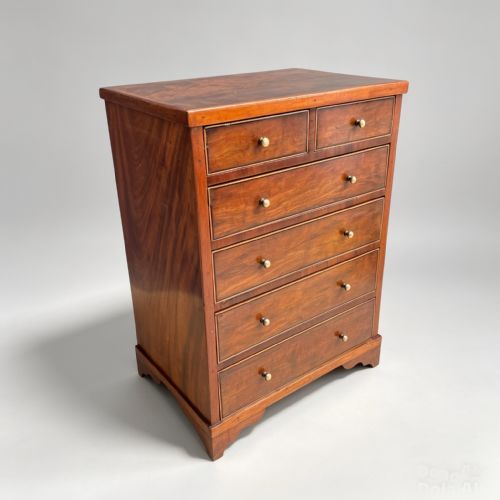
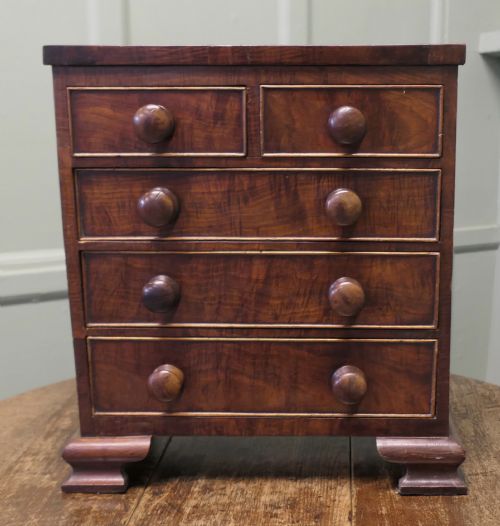
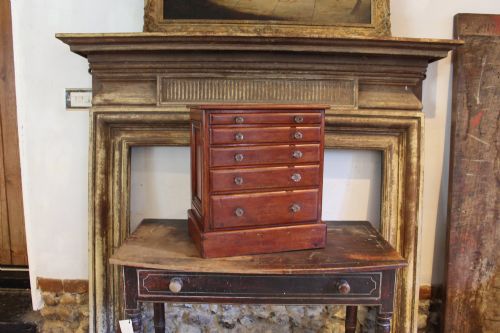
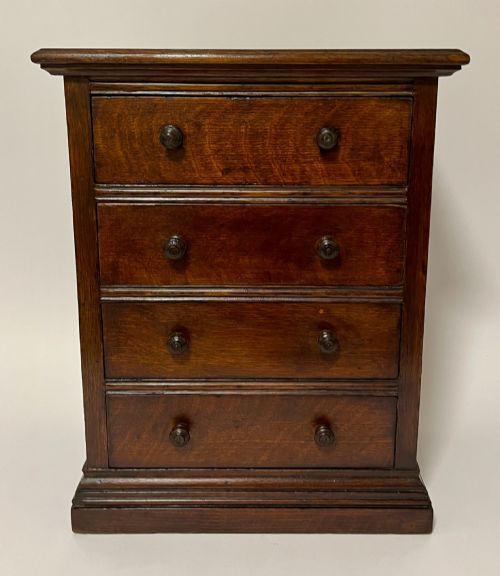
When searching for an antique collector piece, buyers encounter a broad assortment of small-scale objects and desktop cabinets spanning the eighteenth and nineteenth centuries. The listings are dominated by miniature chests of drawers, often referred to as apprentice pieces, alongside tabletop cabinets and occasional natural specimens.
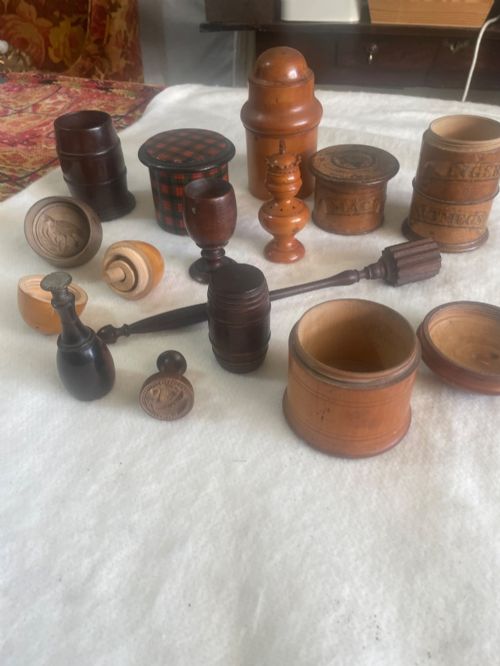
These items reflect domestic utility on a reduced scale, ranging from Georgian mahogany drawers to Victorian pitch pine cabinets and specimen cases. Alongside wooden miniatures, the selection incorporates specific artefacts such as natural shells, glass oil lamps, and diamond rings.
Originating across Britain and Europe, these pieces served varying purposes from cabinetmakers' demonstrations of skill to personal display items. The common thread is portability and meticulous detail compressed into a fraction of standard furniture dimensions.
How they were made
The construction of wooden miniature furniture relies on traditional cabinetmaking timbers including mahogany, oak, rosewood, elm, and yew. Makers utilised finer secondary woods and applied French polishing or natural wax finishes to highlight the grain.
Specialised details appear throughout the items, such as mother-of-pearl inlay, ebonised moulding, turned feet, and concealed secret drawers. Natural materials like bone, tortoiseshell, and coco de mer shell demonstrate alternative artisan crafting methods.
Antique Collector Piece Retail Price Guide 2026
Typical asking prices for collector piece among the pieces listed under this phrase on Sellingantiques today, from the lower quarter to the upper quarter. They describe what is for sale here now, not the wider market.
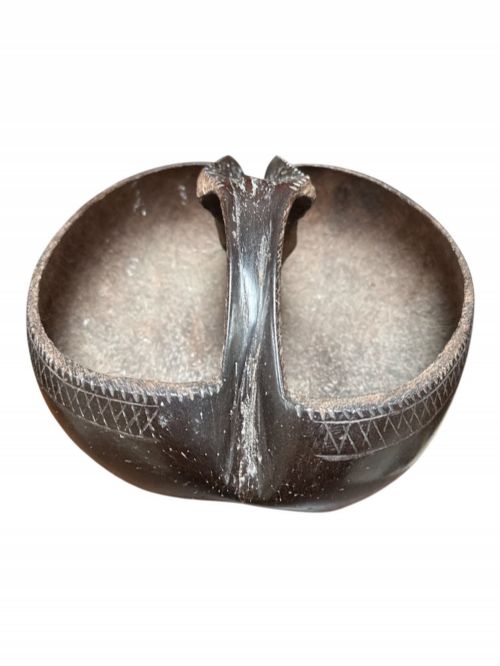
A coco de mer natural shell shares display space with tiny mahogany chests.
What varies in quality
Quality depends upon the proportion and fidelity of the scale reduction, where superior examples maintain exact architectural harmony with full-size furniture. The choice of primary timber and figuring, such as burr yew or rich mahogany, elevates a piece considerably.
Deane Adams And Deane·Jules Dalou·Susse Freres
The Antique Collector Piece Glossary
- Apprentice piece
- A miniature furniture item created by a skilled craftsman to demonstrate proficiency or mastery before admission to a guild. These items mirror full-scale designs with exact proportion.
- Patina
- The surface sheen and deep coloration developed through age, handling, and regular waxing over centuries. It serves as an indicator of genuine period usage.
- Bowfront
- A curved front configuration popular in Georgian and Victorian case furniture. This shape requires advanced woodworking skill to achieve on a miniature scale.
- Specimen case
- A small cabinet or desktop box designed for organising and displaying natural history items, minerals, or small artefacts. They often feature multiple shallow drawers.
- French polishing
- A wood finishing technique that applies numerous thin coats of shellac dissolved in alcohol using a rubbing pad. This process produces a high-gloss surface with a deep chatoyant depth.
Antique Collector Piece: Frequently Asked Questions
What is an apprentice piece?
An apprentice piece is a detailed miniature furniture item constructed by a craftsman learning a trade. These small models allowed makers to practice complex joints and scaling techniques.
They function as independent decorative objects today, prized for their exact replication of full-size period furniture.
How were miniature chests used?
Miniature chests served several distinct functions in historical households, including holding jewellery, trinkets, or sewing accessories. Some acted as salesman samples shown to prospective clients.
Others remained on desks as specimen cases or decorative desktop cabinets for personal keepsakes.
How do I identify Georgian pieces?
Georgian pieces generally exhibit clean classical proportions, premium timbers like mahogany or yew, and restrained decorative elements. Construction details such as hand-cut dovetails help confirm the period.
Cabinetmakers of this era focused on structural harmony and subtle figuring rather than heavy ornamentation.
Are all miniature chests furniture?
While the majority of these items replicate scaled-down chests of drawers and cabinets, the broader category includes natural specimens and jewellery. Items like turtle shellcarapaces and shells form part of historical collector displays.
These diverse objects share a compact scale suited for tabletop placement.