



Antique Collectible Vase
These antique collectible vase examples range from delicate cameo glass to robust earthenware, offering distinct periods and styles for display.
Antique Collectible Vase
When you search for an antique collectible vase, you encounter a diverse range of decorative vessels originating from the nineteenth and twentieth centuries. These pieces encompass various forms including ginger jars, urns, jugs, and standard vases.
The selection includes notable pieces representing Art Nouveau, Art Deco, Arts and Crafts, and traditional English styles. Makers and manufacturers from Britain, France, and Asia contribute to this varied assemblage.
Surviving examples span periods from the mid-nineteenth century through the nineteen-fifties, utilising materials such as porcelain, ceramic, earthenware, and specialised glass techniques.
How they were made
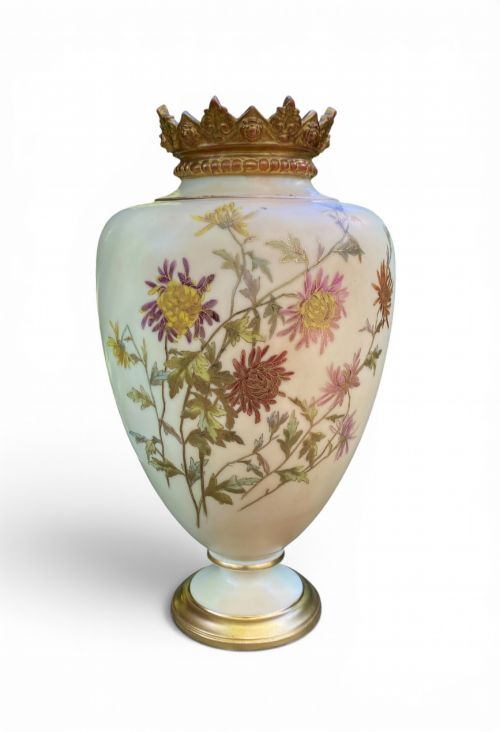
Makers utilised porcelain, earthenware, and ceramic bodies, often applying enamel, gold leaf, or salt glazes to the exterior surfaces. Hand-painted decoration by named artists appears frequently on porcelain and earthenware forms.
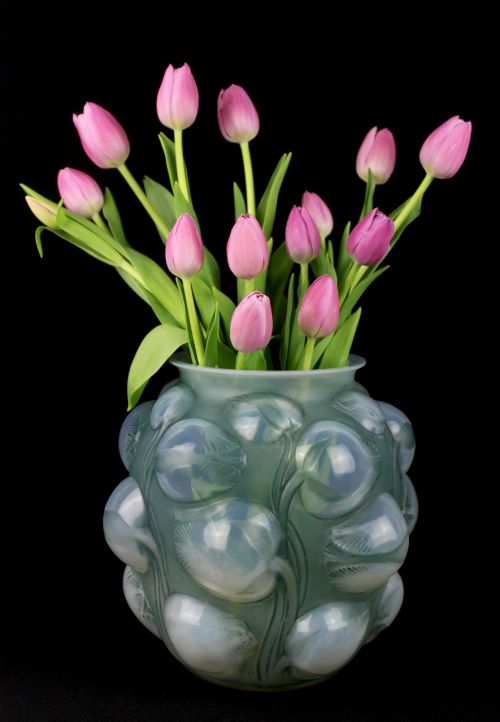
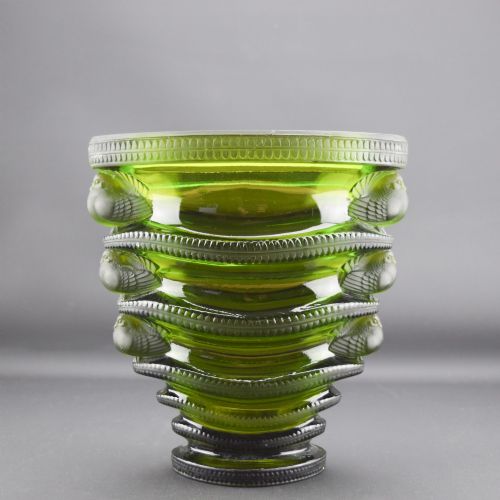
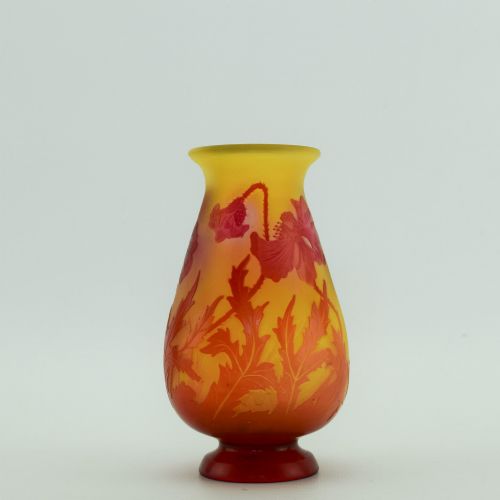
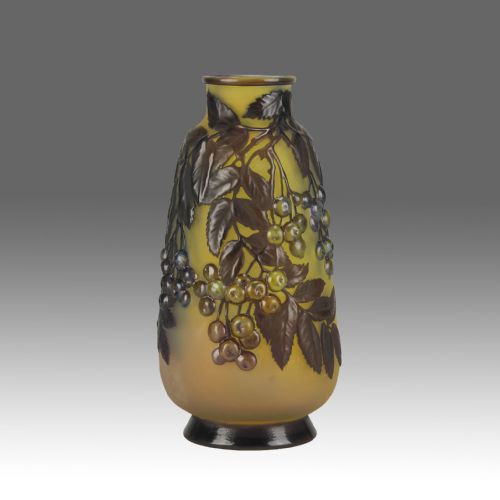
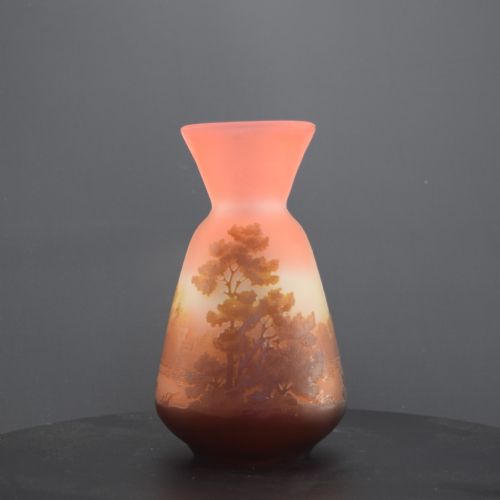
Glass production involved sophisticated methods such as acid-etching, cameo carving, and moulding. René Lalique, Daum Frères, and Émile Gallé applied these techniques to create layered, frosted, and opalescent glass vessels.
Antique Collectible Vase Retail Price Guide 2026
Typical asking prices for collectible vase among the pieces listed under this phrase on Sellingantiques today, from the lower quarter to the upper quarter. They describe what is for sale here now, not the wider market.
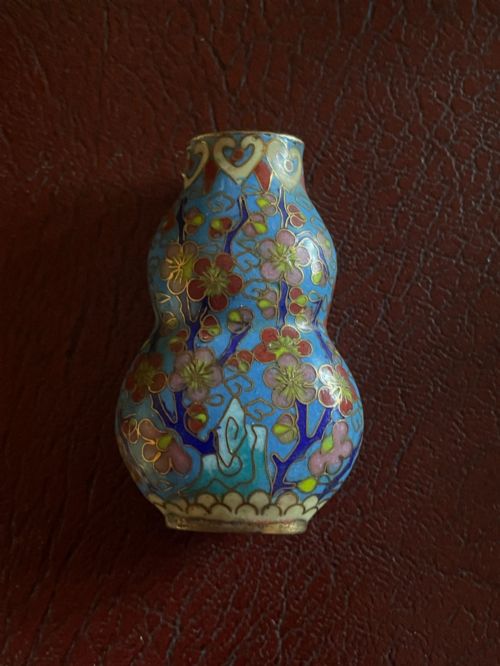
A miniature cloisonné vase from eighteen-fifty proves that grand decorative arts can sometimes arrive in remarkably small packages.
What varies in quality
The standard of execution separates exceptional vessels from standard production pieces. Complexity in cameo glass layering or precision in hand-painted botanical and animal scenes indicates superior craftsmanship.
Signature verification and documentation of specific designers or potteries elevate a piece's standing within its period. The harmony between form, surface texture, and decorative motif dictates the overall distinction of the vessel.
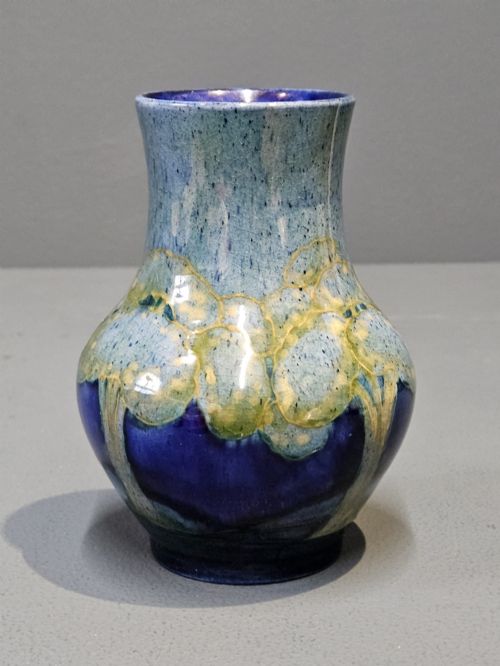
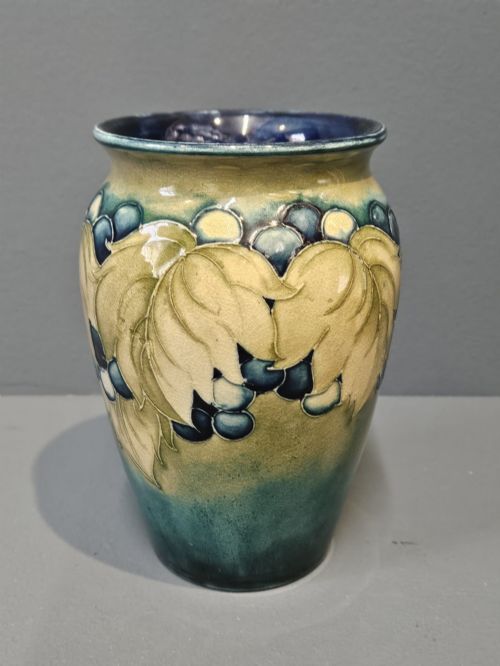
René Lalique·Daum Frères·William Moorcroft·Royal Worcester
The Antique Collectible Vase Glossary
- Cameo Glass
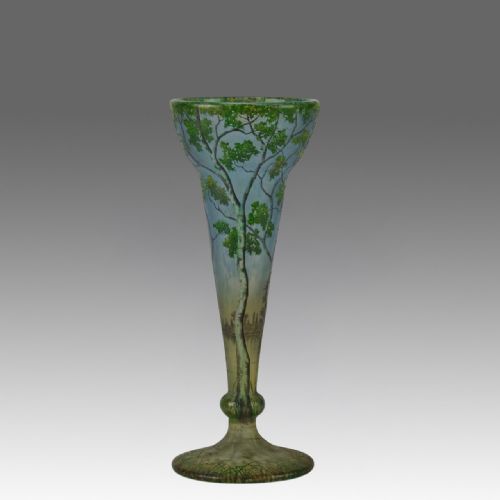
- Glass vessels formed with multiple layers of different coloured glass that are acid-etched or carved away to create a raised design. This technique was favored by nineteenth and twentieth-century French glassmakers.
- Lustre
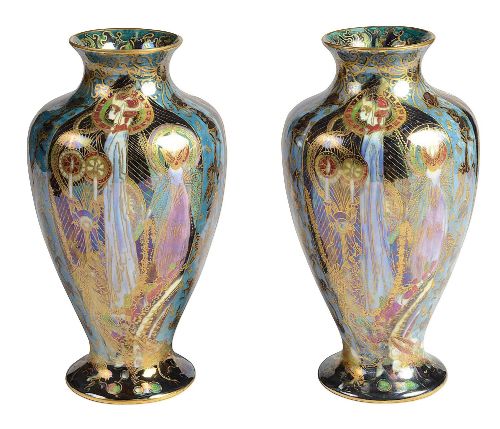
- A type of ceramic glaze containing metallic elements that produce an iridescent sheen when fired. Wedgwood Fairyland Lustre pieces demonstrate this colourful finish.
- Cloisonné
- Metalwork decoration where thin wires are soldered to a base to create compartments filled with enamel paste. These compartments are subsequently fired and polished.
- Flambé
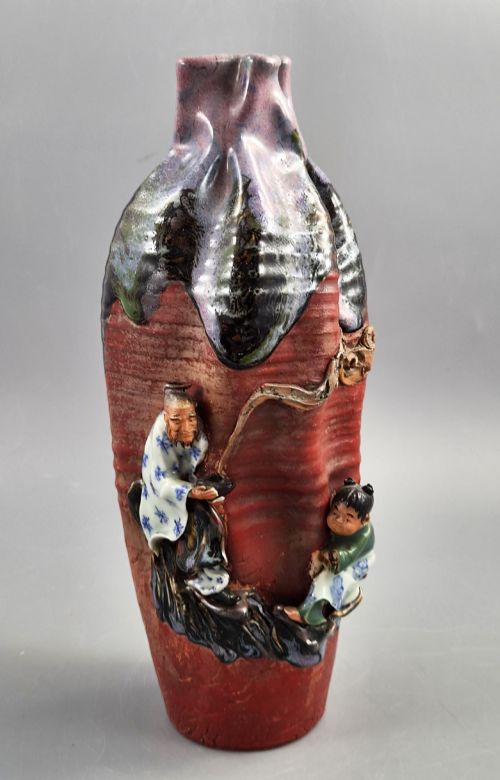
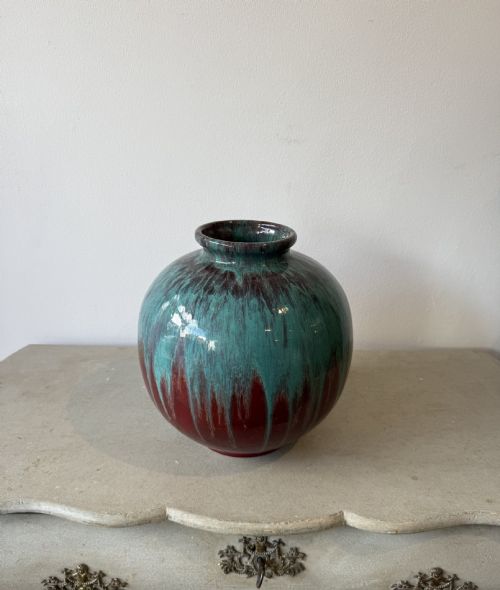
- A ceramic glaze fired in a reducing atmosphere to produce variegated, streaked colour effects. Japanese and British potteries utilised this technique on earthenware.
- Opalescent Glass
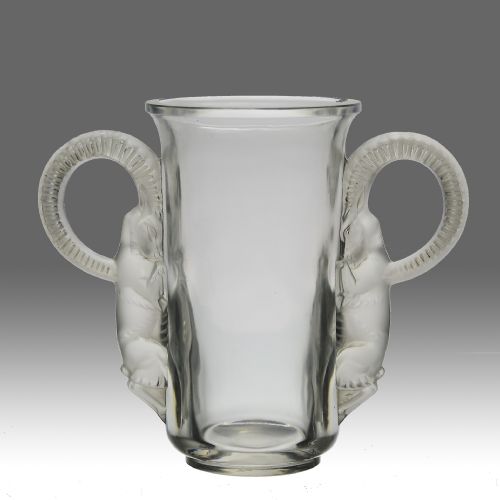
- Glass containing minerals that create a milky, translucent appearance with a play of light across the surface. René Lalique utilised this effect extensively in his moulded vessels.
Antique Collectible Vase: Frequently Asked Questions
How do I identify cameo glass?
Examine the surface for distinct layers where the outer colour is carved or etched away to reveal a contrasting background colour beneath. Look closely for signature etchings or moulded signatures near the base.
Familiarise yourself with the typical subject matter and colour palettes associated with major French studios of the early twentieth century.
Where should I display porcelain vases?
Position porcelain pieces away from direct sunlight to preserve the integrity of hand-painted enamels and gilt details. Ensure they rest on stable, level surfaces where accidental knocks are minimised.
Select locations with adequate lighting to appreciate the painted scenes, such as highland cattle or botanical studies, without risking structural damage.
How do I distinguish between periods?
Study the stylistic markers, such as the flowing organic lines typical of Art Nouveau or the geometric symmetry characteristic of Art Deco. Maker marks, stamps, and registration numbers provide definitive chronological markers.
Compare the manufacturing materials and glazing techniques against known examples from specific decades spanning the nineteenth and twentieth centuries.
How do I clean ceramic and glass vessels?
Dust surfaces gently with a soft, dry cloth to remove everyday accumulation without abrasive friction. Avoid submerging pieces with delicate metal leaf or cold-painted decoration in water.
Consult specialist conservation guidelines if a piece possesses an intricate glaze, such as lustre or salt-glaze, that requires specific maintenance.