






Antique Collectible Portrait
An antique collectible portrait captures faces from centuries past across painted miniatures, ceramic figures, and delicate snuff boxes.
Antique Collectible Portrait
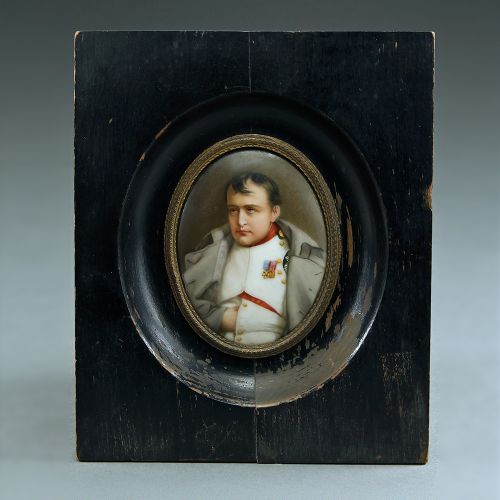
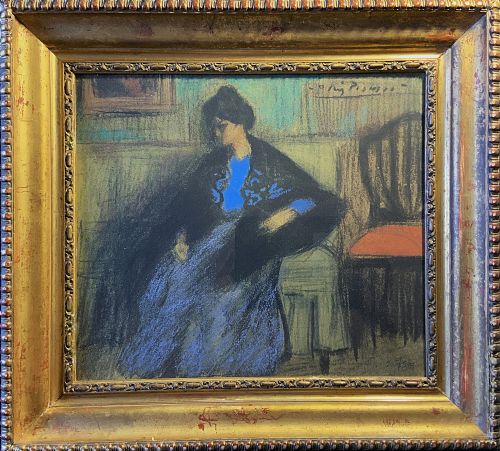
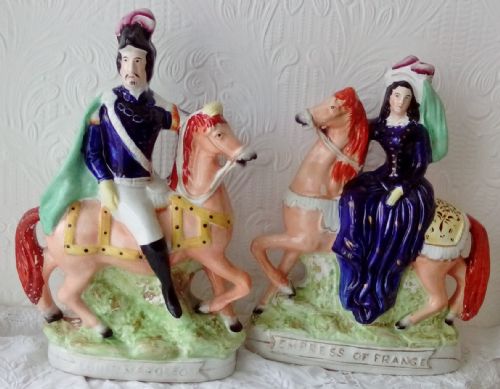
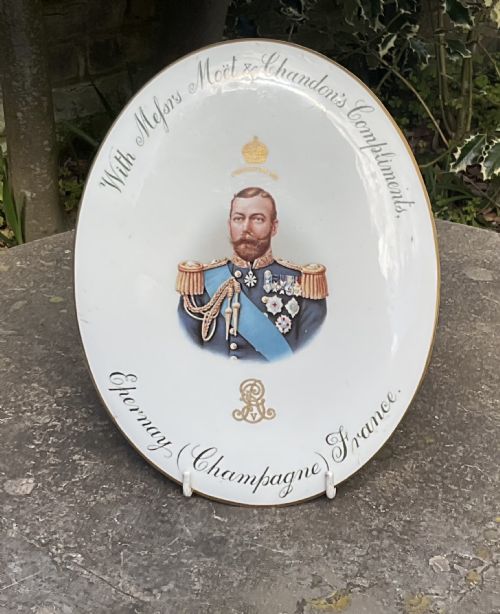
An antique collectible portrait encompasses a diverse array of items from the eighteenth, nineteenth, and early twentieth centuries, featuring human likenesses rendered in various media. Buyers encountering this selection will frequently find portrait miniatures, Staffordshire pottery figures representing notable figures such as Queen Victoria and Louis Napoleon, and painted cabinet plates.
The assortment spans Georgian, Victorian, and Edwardian periods, crossing British, French, and German origins. Forms range from functional snuff boxes with concealed portraits to framed watercolours, ceramic figurines, and commemorative plaques.
How they were made
Makers utilised paint, enamel, and watercolour on surfaces such as porcelain, earthenware, paper, and metal to create enduring likenesses. Ceramic pieces often combined moulded clay with hand-painted details, whilst portrait miniatures required meticulous brushwork on delicate grounds.
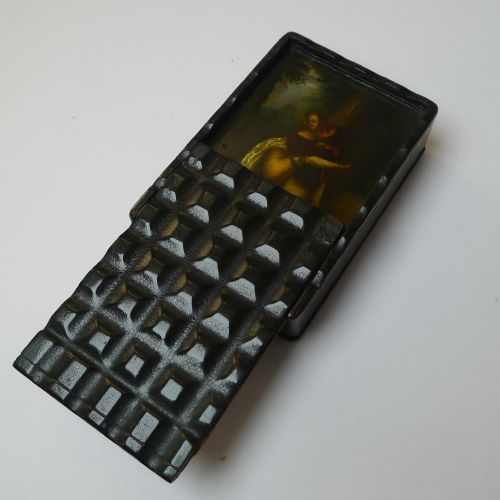
Carving and papier-mache techniques shaped small containers like snuff boxes, occasionally incorporating gold leaf or lacquer finishes. Staffordshire pottery figures relied on slip casting and hand-applied glazes to delineate royal and historical subjects.
A nineteenth-century German snuff box hides erotic scenes behind its lid, proving that historical gentlemen kept lively secrets in their pockets.
What varies in quality
Material choice and preservation also influence the standing of a piece. Intact enamel work, crisp carving on coquilla or papier-mache boxes, and well-preserved ceramic glazes maintain their visual integrity far better than worn or over-painted surfaces.
Tom Keeling·John E Bosanquet·Stobwasser
The Antique Collectible Portrait Glossary
- Portrait Miniature
- A small, highly detailed painting of a person, typically executed on ivory, vellum, or card during the eighteenth and nineteenth centuries. These intimate works were often housed in protective cases or worn as lockets.
- Staffordshire Pottery Figure
- An earthenware figure produced in the pottery districts of England, commonly depicting royalty, theatrical performers, or political figures. They were brightly painted and designed for display on mantelpieces.
- Cabinet Plate
- A decorative ceramic plate intended for display in a cabinet or on a wall rather than for dining use. They frequently feature hand-painted scenes or portraits by named artists.
- Papier-Mache
- A composite material made from paper pulp or layers of paper reinforced with glue or resin, moulded and dried into sturdy forms. It was widely used for small nineteenth-century boxes and desk accessories.
Antique Collectible Portrait: Frequently Asked Questions
What is an antique portrait miniature?
A portrait miniature is a small, finely detailed painting depicting a specific individual, created before the widespread use of photography. Artists worked with delicate watercolours or enamels on small surfaces to achieve remarkable facial likenesses.
These pieces were typically commissioned by families to commemorate loved ones or mark significant occasions. They were often kept close in protective cases or worn as personal ornaments.
How were Staffordshire portrait figures displayed?
Staffordshire pottery figures of royals and public figures were made to sit proudly on parlour mantelpieces across nineteenth-century homes. Families displayed them to signal their political allegiances, patriotic sentiments, or admiration for cultural icons.
These earthenware pieces brought colour and character into domestic interiors. They were produced in large quantities for the growing middle-class market.
How do I care for painted portrait boxes?
Painted boxes made from papier-mache, tin, or coquilla require gentle handling away from direct sunlight and damp environments. Light dusting with a dry, soft cloth is sufficient to maintain the surface without disturbing the materials.
Keeping them in stable room conditions prevents the wood, paper pulp, or painted lacquer from warping or cracking over time. Avoid using liquid cleaners or abrasive materials on the delicate lids.
How are different periods of portraits identified?
Periods are distinguished by the clothing styles of the subjects, the painting techniques employed, and the materials used for the backing or frame. Eighteenth-century miniatures often feature specific costume details like powdered wigs and lace collars, whilst Victorian pieces reflect later fashions.
Examining the maker's marks, stamps, or signatures on the reverse of ceramics and paintings also helps establish a reliable date of origin.