



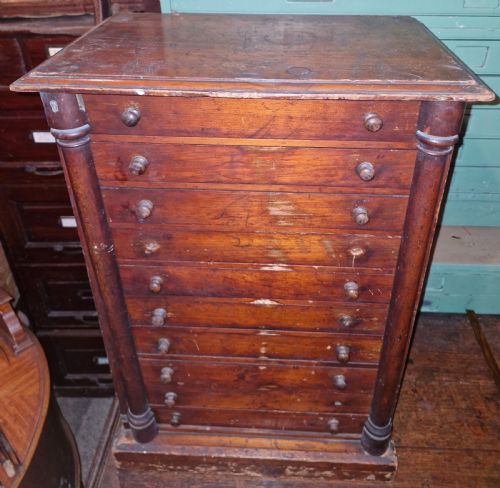


Antique Coin Collector
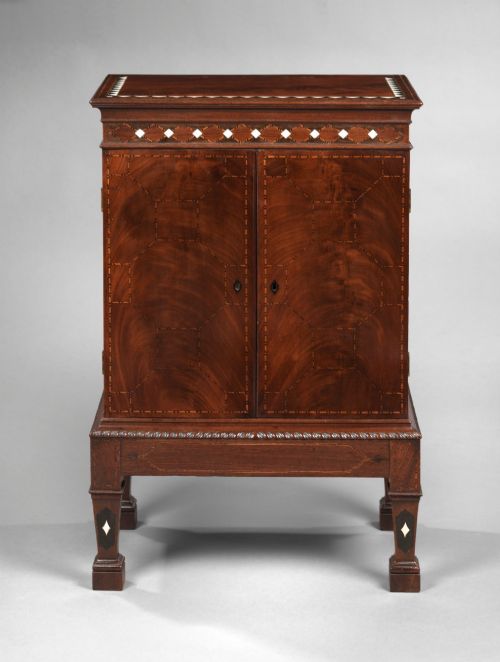
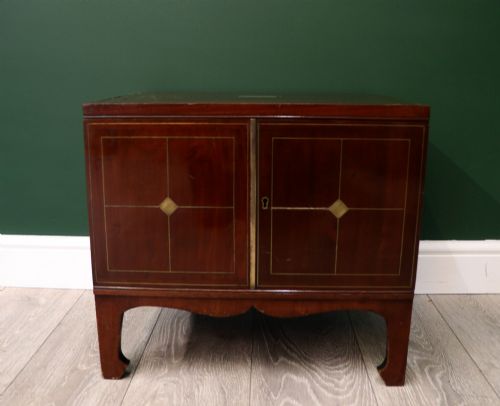
An antique coin collector cabinet is a specialist piece of furniture designed to house numismatic treasures, most frequently found here in mahogany, walnut, and oak.
Antique Coin Collector
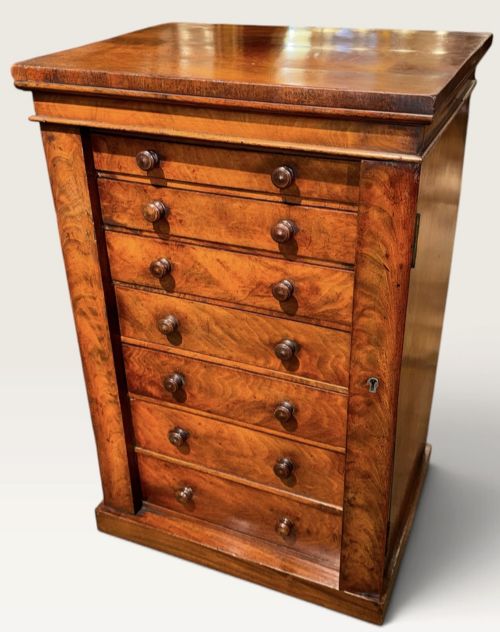
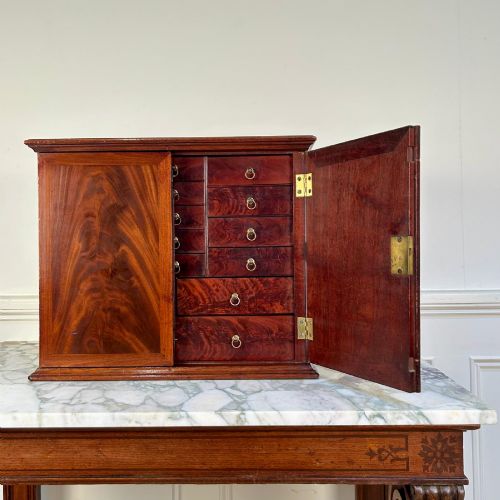
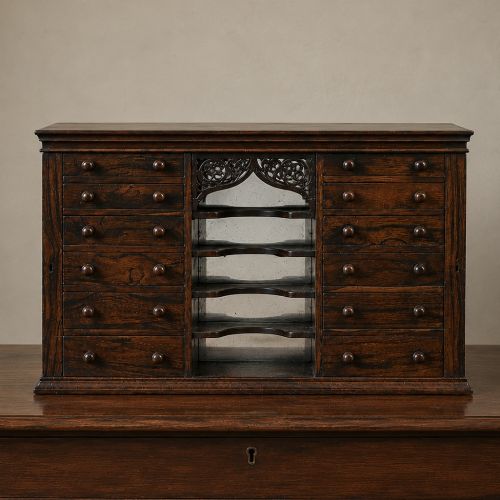
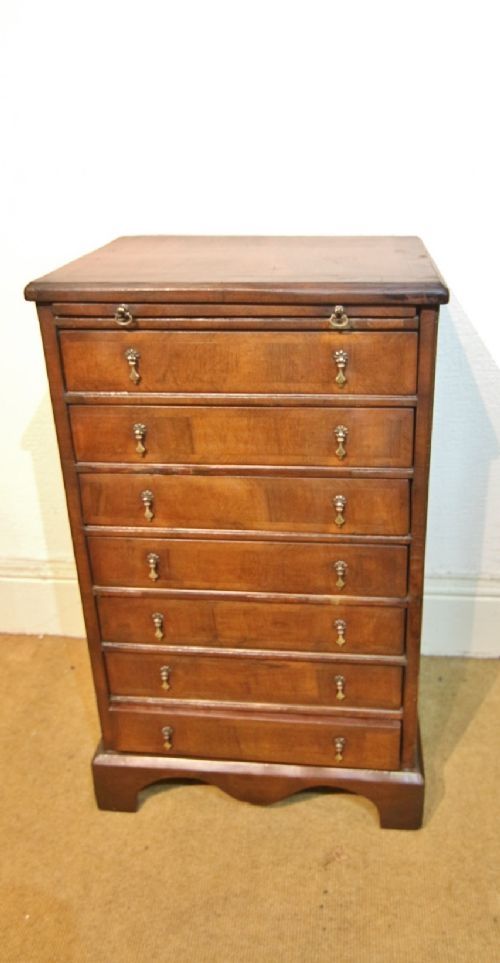
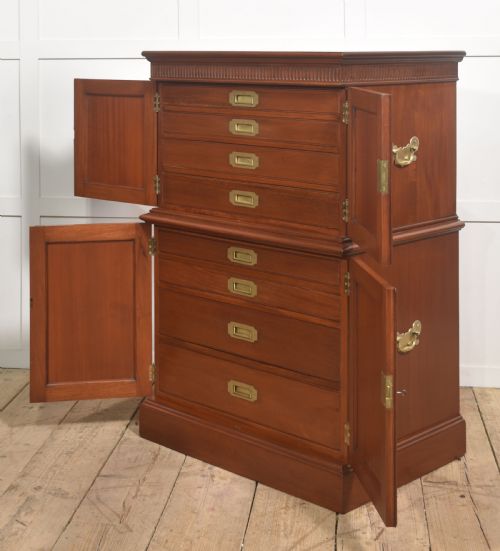
An antique coin collector takes the form of a small chest, cabinet, or Wellington chest containing numerous shallow internal drawers. These pieces emerge from Georgian, Victorian, and Edwardian workshops to serve specific organisational purposes.
The buyer on this page will most commonly encounter mahogany collectors cabinets featuring multiple flush-fitting drawers designed to hold delicate items safely.
How They Were Made
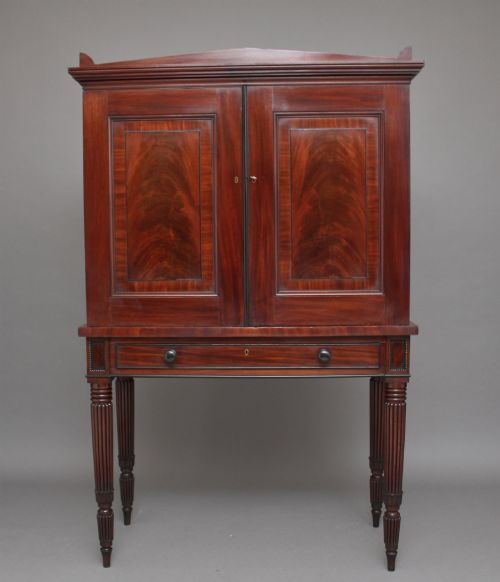
Cabinet makers utilised dense hardwoods such as mahogany, walnut, oak, and rosewood, frequently pairing solid carcases with flame mahogany veneers or brass drop handles and inlay.
Internal construction focuses on precision multi-drawer banks, occasionally incorporating glass fronts or locking mechanisms with keys to secure the contents.
Antique Coin Collector Retail Price Guide 2026
Typical asking prices for coin collector among the pieces listed under this phrase on Sellingantiques today, from the lower quarter to the upper quarter. They describe what is for sale here now, not the wider market.
Listings span the Georgian, Victorian, and Edwardian eras, incorporating oak, mahogany, walnut, and rosewood.
What Varies in Quality
The calibre of a piece rests upon the density of the timber used, the tightness of the drawer joints, and the scale of the chest, ranging from diminutive desktop cases to towering forty-drawer cabinets.
Distinction also lies in maker attribution, original hardware, and whether secondary woods like pine or deal are used in concealed areas rather than solid primary hardwoods.
Brady of Edmonton·Charles William Schofield
The Antique Coin Collector Glossary
- Collector cabinet
- A specialised piece of furniture fitted with numerous shallow drawers for organising small objects. These chests protect delicate specimens from dust and light.
- Wellington chest
- A tall, narrow chest of drawers secured by a hinged locking side pilaster. This form provides substantial storage within a compact footprint.
- Specimen case
- A miniature set of drawers or a tabletop display case meant for natural history items or coins. They typically feature tight-fitting glazed or solid wooden doors.
- Standish
- A desk accessory or small cabinet arrangement designed for writing equipment or small valuables. They appear in matching pairs within specific periods.
- Campaign style
- Furniture built in sections with brass flush corners and inset handles for easy transport. These pieces reflect military travel requirements.
Antique Coin Collector: Frequently Asked Questions
What are these cabinets used for?
These cabinets were originally built to organise and preserve delicate items like coins, medals, fossils, and botanical specimens in shallow, felt-lined drawers.
Today, they serve the same function for modern hobbyists or act as distinctive desktop storage units in a study.
How do I tell Georgian from Victorian pieces?
Georgian cabinets often display rich Cuban mahogany timber, subtle brass bracket feet, and simpler, cleaner architectural lines.
Victorian examples frequently introduce heavier mouldings, glass display doors, locking mechanisms, and a greater number of internal drawers.
Are the drawers usually lined?
Many internal drawers retain their historic baize, velvet, or felt linings, which were glued down to cushion delicate metal items.
Some interiors feature precision coin trays pierced with circular depressions specifically sized for currency.
How do I care for the timber?
Maintain the wood by keeping the cabinet away from direct heat sources and sudden humidity changes that cause timber to warp.
Apply a microcrystalline wax sparingly to nourish the polished surfaces and protect historical finishes without buildup.