




Antique Coffee Table Castors
These antique coffee table castors support low tables, stools and ottomans in mahogany, walnut and rosewood from the Regency and Victorian periods.
Antique Coffee Table Castors
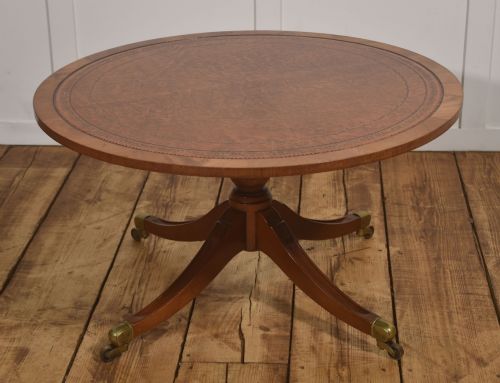
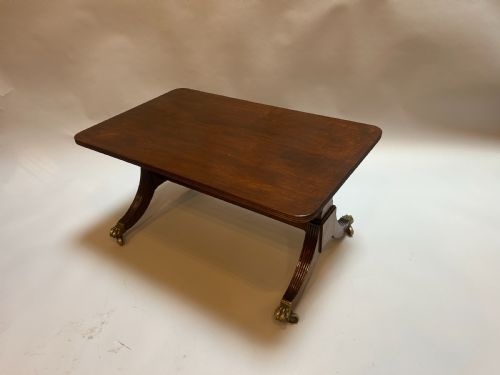
When you search for antique coffee table castors, you encounter low tables, stools and ottomans raised on small wheels from the Regency and Victorian periods. These pieces include low coffee tables, occasional tables, centre stools and ottomans formed in mahogany, rosewood and walnut.
The items listed on this page span the nineteenth century, including examples dated around 1850, 1860, 1870, 1890 and 1920. Many of these low tables and stools were originally designed for other domestic uses before finding a new role in modern living rooms as coffee tables.
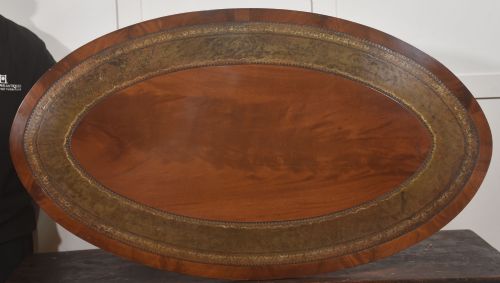
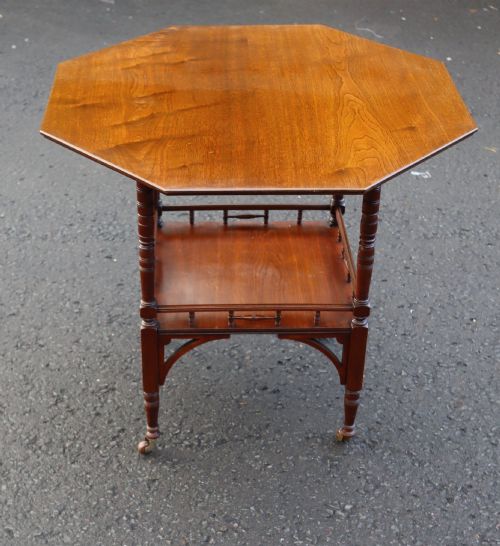
You meet English Country House styles alongside Regency and Victorian Aesthetic Movement pieces. The selection ranges from small baby coffee side tables to large oval flame mahogany coffee tables and octagonal walnut occasional tables.
How they were made
The frames utilise dense timbers such as mahogany, rosewood, oak, burr walnut and general timber. These woods are shaped into octagonal and oval forms, occasionally featuring carved rosewood details and cane seating.
Metal and ceramic components appear throughout the hardware, with brass fittings and glass elements supporting the mobility of these low tables and stools. The construction relies on traditional joinery suited to heavy usage in nineteenth-century drawing rooms.
Antique Coffee Table Castors Retail Price Guide 2026
Typical asking prices for coffee table castors among the pieces listed under this phrase on Sellingantiques today, from the lower quarter to the upper quarter. They describe what is for sale here now, not the wider market.
Several heavy ottomans wait quietly to support weary nineteenth-century feet.
What varies in quality
Quality rests in the selection of timbers, from plain timber to richly figured flame mahogany and burr walnut. Finer pieces display careful carving, such as carved rosewood frames and well-proportioned octagonal or oval tops.
The integrity of the supporting hardware and the secondary materials like cane or ceramic components separate standard examples from finer country house furniture.
GILLOWS
The Antique Coffee Table Castors Glossary
- Castor
- A small wheel fitted to the legs of furniture to allow easy movement across carpets and floors. They often incorporate brass and ceramic elements.
- Regency
- A style period dating from the early nineteenth century defined by classical restraint and elegance. Pieces from this era often utilise rich mahogany and rosewood.
- Victorian Aesthetic Movement
- A nineteenth-century design approach focused on artistic refinement and visual beauty. Items from this movement display careful attention to surface detail.
- Ottoman
- A low upholstered seat or stool without arms or a back, frequently seen in large country house settings. They rest low to the ground on sturdy frames.
Antique Coffee Table Castors: Frequently Asked Questions
Are these tables original coffee tables?
Many low tables and stools from the nineteenth century were adapted later for modern coffee table heights. They began life as occasional tables, ottomans or footstools.
Original proportions often suit contemporary seating arrangements well, combining historical timber with functional low surfaces.
What woods should I look for?
The listings feature mahogany, rosewood and walnut alongside oak and general timber. Flame mahogany and burr walnut offer strong decorative grain patterns.
Darker tropical hardwoods provide durability and a rich appearance typical of nineteenth-century drawing room furniture.
How do I identify Regency pieces?
Regency items date from the early part of the nineteenth century and lean towards classical lines. They frequently employ dark mahogany or rosewood.
These pieces often present clean geometric forms or subtle turned supports beneath octagonal or rectangular tops.
What is a country house stool?
Country house stools are large, heavy seating pieces designed for substantial domestic interiors. They often feature generous proportions and simple wooden or upholstered frames.
Their robust construction allowed them to withstand heavy daily use in grand nineteenth-century halls and libraries.