


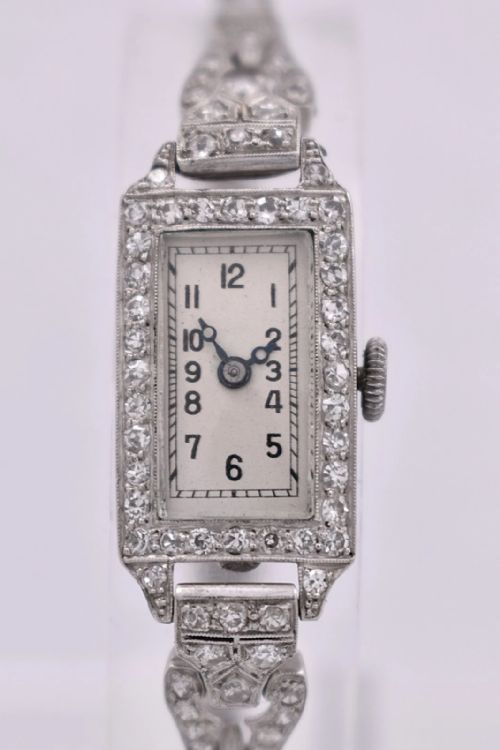


Antique Cocktail Wristwatch
An antique cocktail wristwatch is a small, ornate timepiece designed for evening wear, often set with diamonds and precious metals.
Antique Cocktail Wristwatch
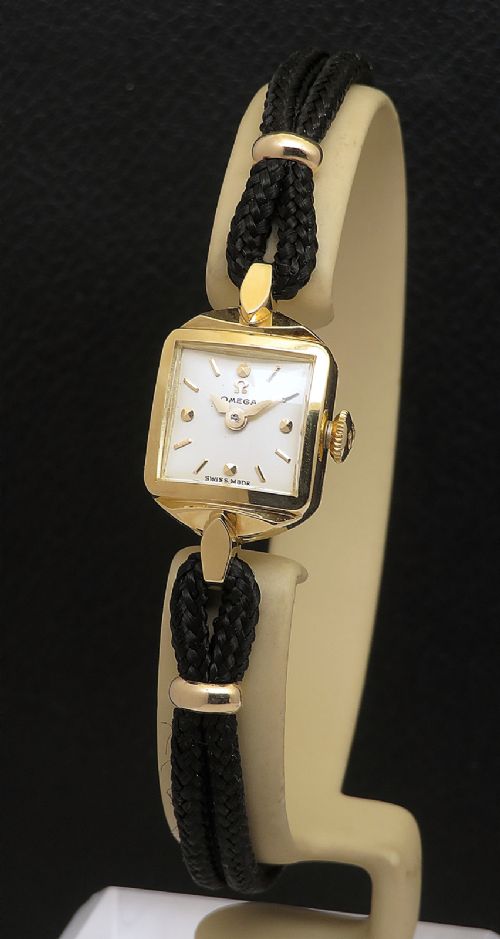
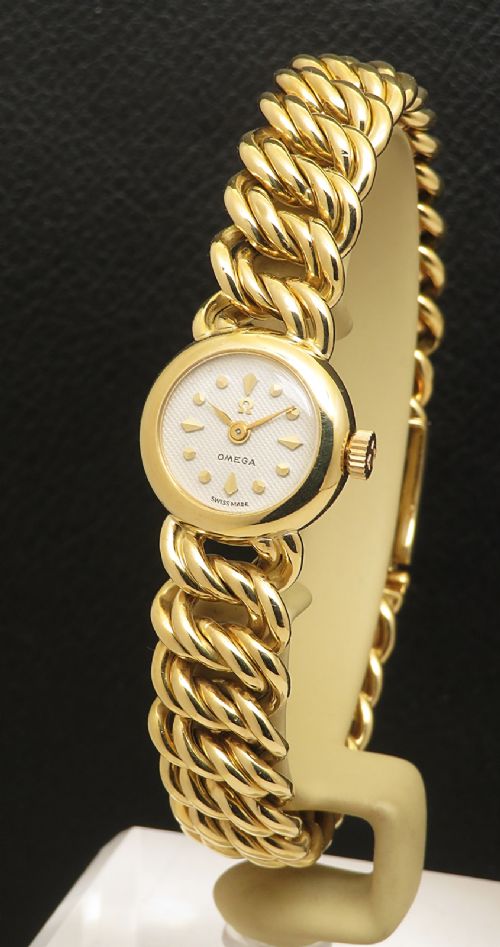
When you search for an antique cocktail wristwatch, you encounter delicate timepieces primarily originating from the 1920s, 1930s, 1940s, 1950s, and 1960s. These pieces function as both jewellery and watches, designed originally for formal evening occasions.
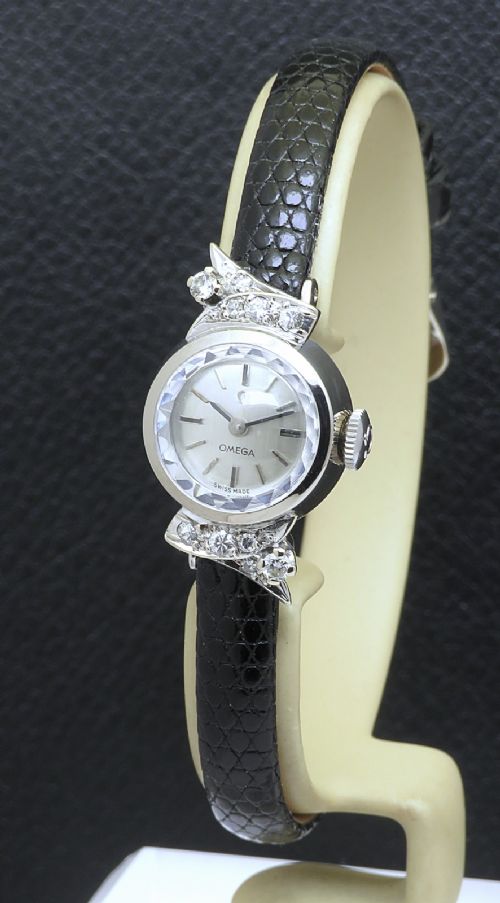
The most common examples on this page belong to the Art Deco style, featuring geometric lines, platinum, and white gold set with diamonds. Alongside these, mid-century interpretations display clean profiles in 18ct white gold and 14ct white gold.
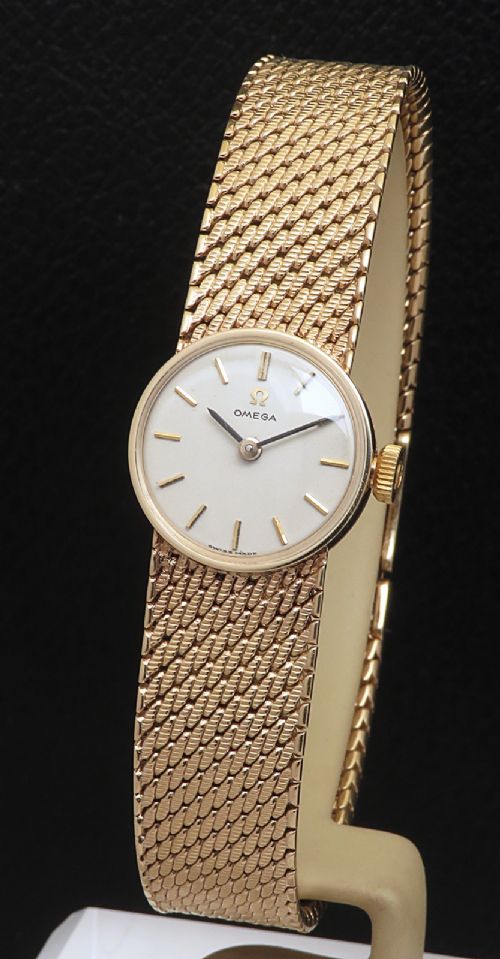
Makers such as Omega, Rolex Tudor, Asprey, Vertex, Movado, Tissot, Longines, Bulova, Benrus, Bucherer, and Elgin appear across the decades. Formats range from traditional wristwatches to specific cocktail watch configurations with integrated mesh bracelets or fabric straps.
How they were made
Watchmakers utilised precious metals including platinum, solid 18ct white gold, 14ct white gold, and 9ct gold to construct the cases and bracelets. These metals were frequently paired with glass crystals and detailed stone settings.
Goldsmiths and setters incorporated diamonds into the designs, often utilising mesh bracelets, leather, or fabric for the straps. Movements were driven by manual wind mechanisms and Swiss jewelled lever escapements.
Listings feature periods from the 1920s to the 1960s, predominantly showcasing Art Deco and Mid-Century styles in platinum and white gold.
What varies in quality
Quality rests in the weight and purity of the precious metals, such as platinum and 18ct white gold, compared to lighter alloys or gold-plated alternatives. The presence of documented maker names like Asprey or Omega elevates the standard.
The density, cut, and carat weight of the diamond pavé work distinguish standard pieces from exceptional examples. Additionally, original components, integrated mesh bracelets, and accompanying boxes or papers define the upper tier of the range.
Omega·Rolex Tudor·Asprey·Vertex·Movado·Tissot·Longines·Bulova·Benrus·Bucherer·Elgin
The Antique Cocktail Wristwatch Glossary
- Art Deco
- A design style spanning the 1920s and 1930s characterised by geometric symmetry and clean lines. It heavily influences the aesthetic of these watches.
- Platinum
- A dense, durable precious metal used frequently in high-end jewellery and watch cases during the early twentieth century. It provides a secure setting for diamonds.
- Manual wind
- A mechanical watch movement that requires the wearer to manually turn the crown to tension the mainspring. This mechanism powers the watch without a battery.
- Swiss jewelled lever
- An escapement mechanism utilising small synthetic rubies to reduce friction in the gear train. It represents a standard of precision in watchmaking.
- Mesh bracelet
- A flexible strap woven from fine metal wire, often integrated directly into the watch case. It offers a fluid, textile-like drape on the wrist.
Antique Cocktail Wristwatch: Frequently Asked Questions
How do I wear an antique cocktail wristwatch?
These pieces were originally created for evening events and formal social gatherings. Treat them with care as delicate jewellery rather than daily utilitarian timepieces.
Pair them with evening attire or simple cuffs where the platinum and diamond details remain visible. Avoid wearing them during physical activities or exposure to water.
What periods do these watches come from?
The pieces span several decades, with a strong concentration in the 1920s and 1930s Art Deco era. You also find examples from the 1940s, 1950s, and 1960s.
Design elements shift from sharp geometric Art Deco motifs towards streamlined mid-century modern aesthetics as the decades progress.
Are these watches mechanical?
The movements rely on manual wind mechanical systems rather than modern batteries. They require regular winding by hand to maintain operation.
Many incorporate Swiss jewelled lever mechanisms, which represent the high standard of watchmaking craft during the mid-twentieth century.
What materials are used in these watches?
Cases and bracelets are constructed from precious metals including platinum, 18ct white gold, 14ct white gold, and occasionally 9ct gold or gold-plated brass. Diamonds and glass crystals complete the exterior.
Straps vary between solid metal mesh bracelets, leather bands, and fabric options depending on the specific model and period.