




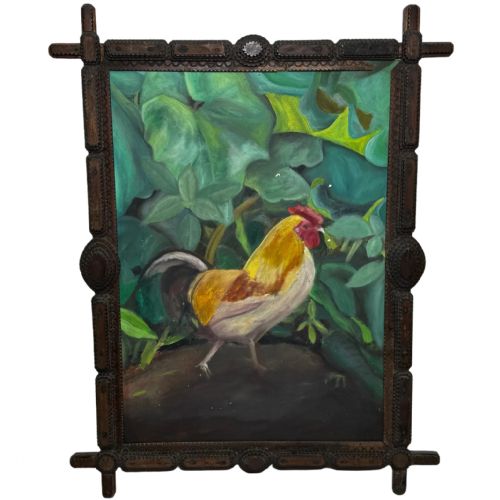


Antique Cockerel Art
These antique cockerel art pieces bring spirited farmyard character and striking decorative presence into a room.
Antique Cockerel Art
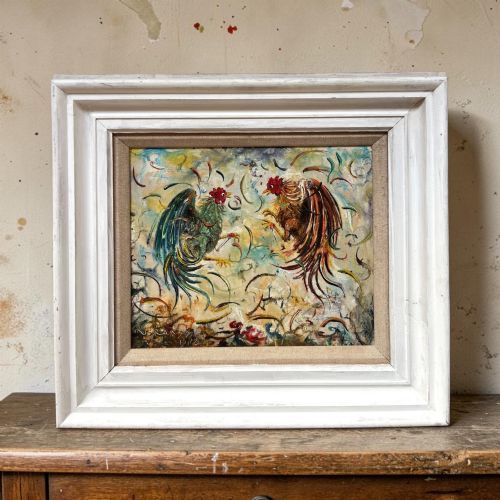
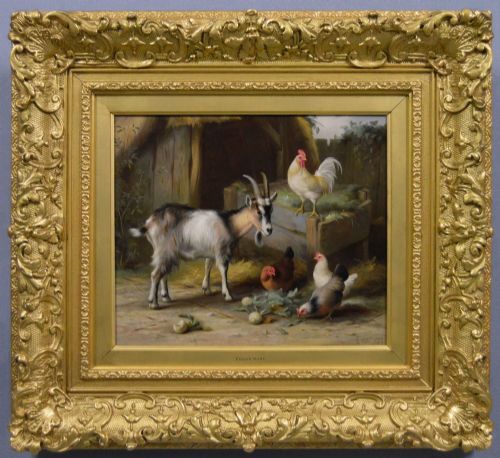
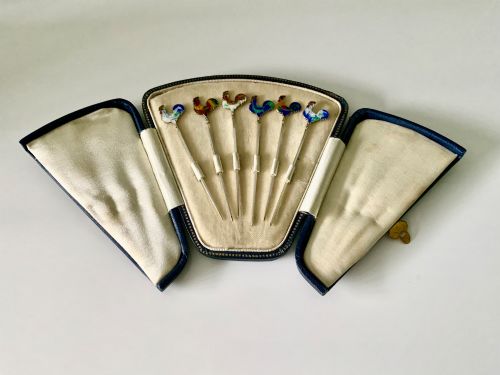
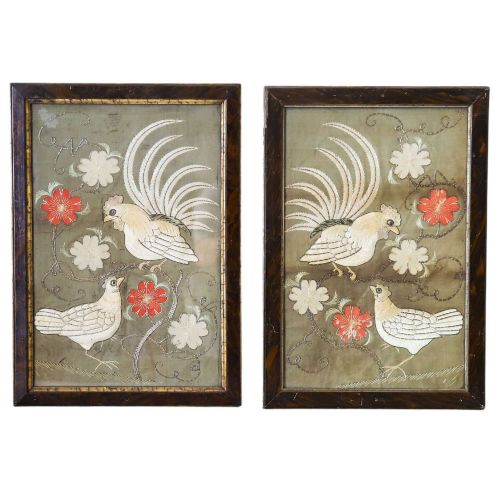
When searching for antique cockerel art, buyers encounter a diverse selection of objects celebrating this classic farmyard bird across various periods and origins. The items range from oil paintings and watercolours to functional items such as weather vanes, cocktail shakers, and shop displays.
English and French examples feature prominently, spanning the nineteenth century through the Art Deco era. Folk art interpretations and realistic animal paintings by noted artists appear frequently among the selections.
How they were made
Makers utilised traditional materials including oil on canvas, copper, iron, wood, and glass to capture the vibrant subject matter. Weather vanes combine hammered copper and iron with old paint surfaces, while paintings employ skilled brushwork on canvas or paper.
Decorative objects incorporate specialist techniques such as silver enamel work, carved solid wood, and moulded glass. These methods reflect the distinct aesthetic preferences of the Victorian, Edwardian, and Art Deco periods.
Antique Cockerel Art Retail Price Guide 2026
Typical asking prices for cockerel art among the pieces listed under this phrase on Sellingantiques today, from the lower quarter to the upper quarter. They describe what is for sale here now, not the wider market.
Several fierce metal cockerels keep watch over rooftops and bar carts, proving that poultry makes surprisingly good company.
What varies in quality
The distinction between standard examples and finer pieces lies in the execution of the artisan's work and the preservation of original materials. Oil paintings demonstrate skill through anatomical precision and lively composition, while metal objects show superior craftsmanship in surface patination and structural integrity.
Intact original elements, such as weathered paint on copper weather vanes or crisp details on moulded glass and silverware, elevate the standing of a piece. The depth of historical character and the clarity of period style determine the relative merit of each item.
Claude Cardon·Edgar Hunt·J L VAN Leemputten·Rene Lalique·Emile Lecomte
The Antique Cockerel Art Glossary
- Weather vane
- A moveable device attached to an elevated structure to show the direction of the wind, frequently fashioned into animal silhouettes.
- Cocktail shaker
- A vessel used to mix drinks by shaking, often produced in glass or metal with decorative motifs during the Art Deco period.
- Folk art
- Art produced from an indigenous cultural tradition, characterised by a naive style and practical utility.
- Car mascot
- An ornamental figurine mounted on the radiator cap of a motor car, popular during the early twentieth century.
- Oil on canvas
- A painting technique using pigments suspended in a drying oil applied to a stretched fabric surface.
Antique Cockerel Art: Frequently Asked Questions
What periods do these pieces date from?
The inventory spans the nineteenth century through the Art Deco era of the 1930s. Key periods include Victorian, Edwardian, and early twentieth-century design movements.
Items reflect the specific artistic tastes of their decade of creation, from nineteenth-century realism to stylised twentieth-century forms.
How were copper weather vanes used?
Copper weather vanes were mounted on the roofs of barns, farmhouses, and outbuildings to indicate wind direction. Artisans shaped the metal into recognisable silhouettes like cockerels.
Over time, exposure to the elements created a natural patinated surface on the metal and old paint.
Are cocktail shakers functional?
Art Deco cocktail shakers and cocktail sticks were designed for mixing and serving drinks during social gatherings. Many feature enamelled glass or solid sterling silver construction.
Collectors display these barware items as decorative examples of early twentieth-century design.
What is folk art?
Folk art encompasses utilitarian objects and decorative pieces created by self-taught or traditional craftsmen. Examples include carved wooden shop displays and metal weather vanes.
These pieces value rustic charm and traditional manufacturing techniques over academic polish.