




Antique Coat Rack Timber
An antique coat rack timber piece keeps hallway clutter at bay with practical utility and undeniable architectural presence.
Antique Coat Rack Timber
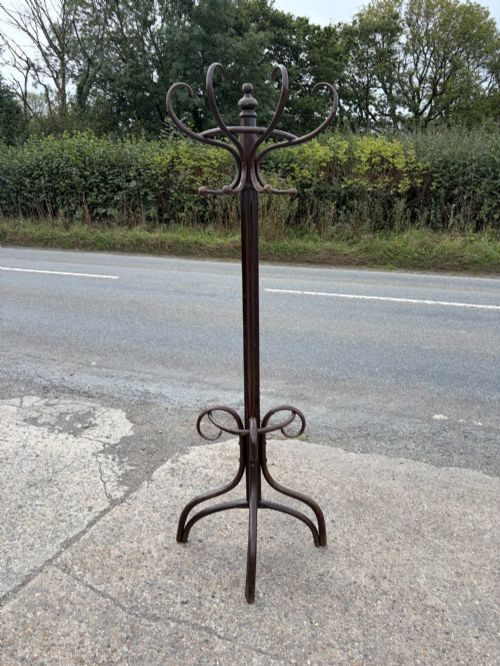
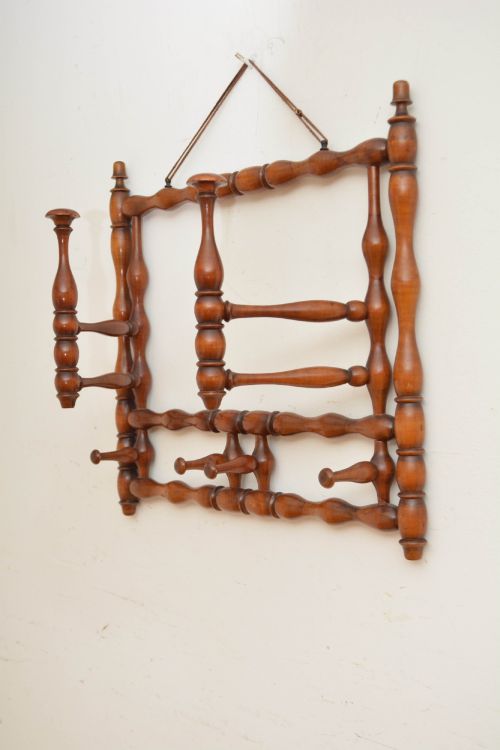
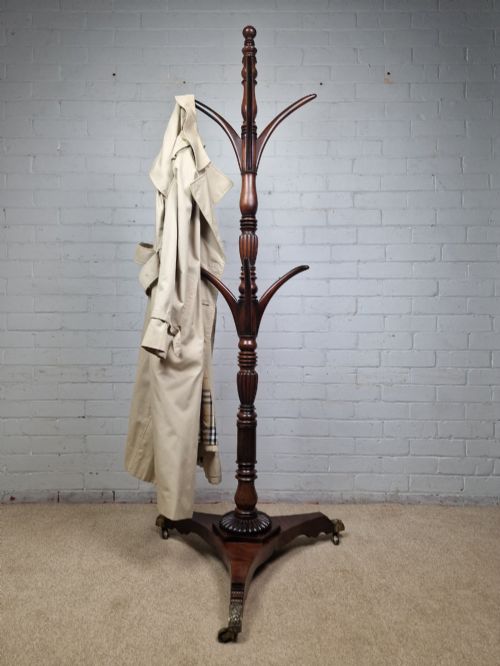
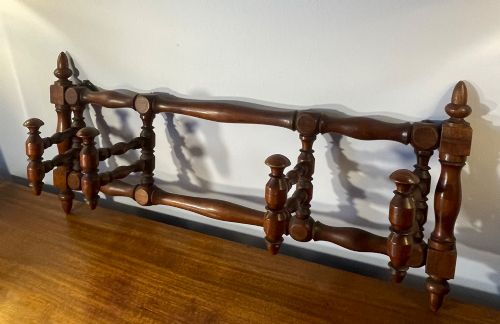
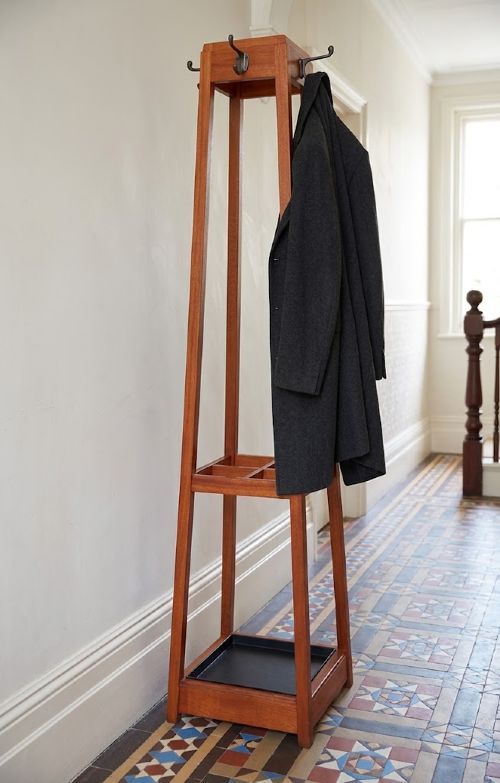
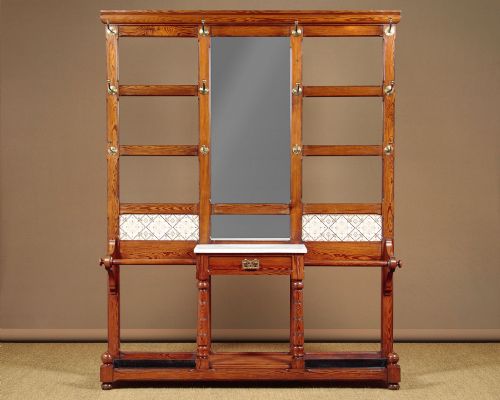
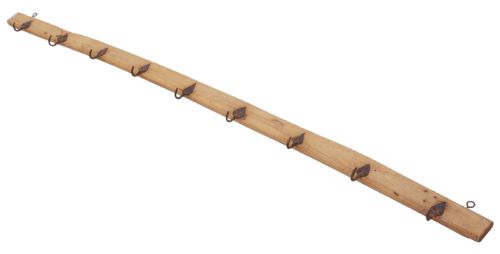
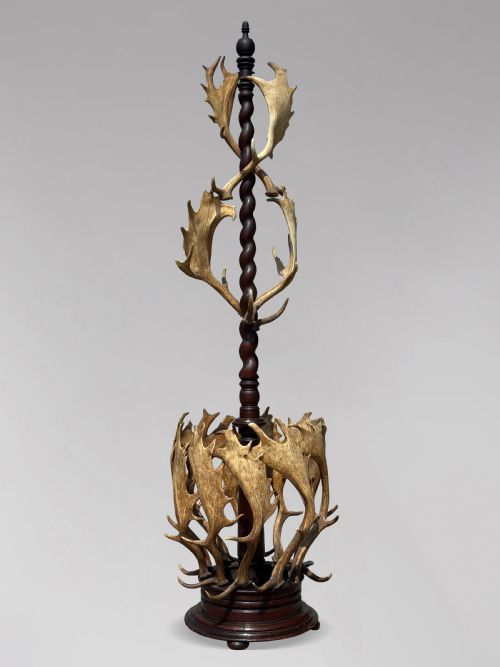
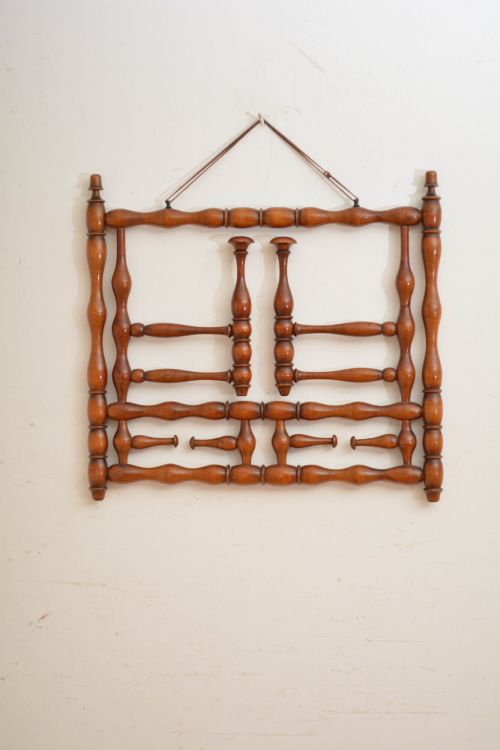
An antique coat rack timber item encompasses everything from modest wall-mounted kitchen game hook racks to substantial Victorian, Edwardian, and turn of the century hall stands. These furnishings were built to manage outerwear, hats, and boots in the entranceways of period homes.
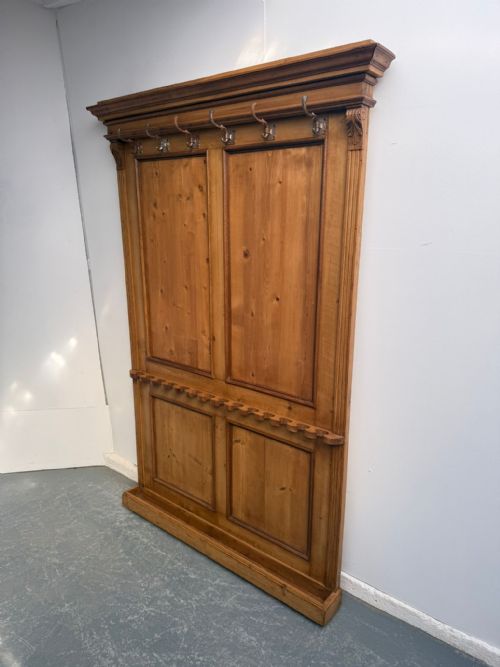
The selection ranges widely across forms, including revolving bentwood hatstands, valet stands in beech, and elaborate carved hall stands featuring integrated mirrors and umbrella holders. Buyers most frequently encounter pine, mahogany, and oak wall racks alongside free-standing architectural items dating from the nineteenth and early twentieth centuries.
How They Were Made
Maker construction relies heavily on solid hardwoods like mahogany, walnut, and oak, as well as softer timbers such as pine, beech, and linden wood. Black Forest pieces demonstrate intricate hand-carved animal motifs, whilst bentwood examples utilise steam-bending techniques to achieve flowing, curved silhouettes.
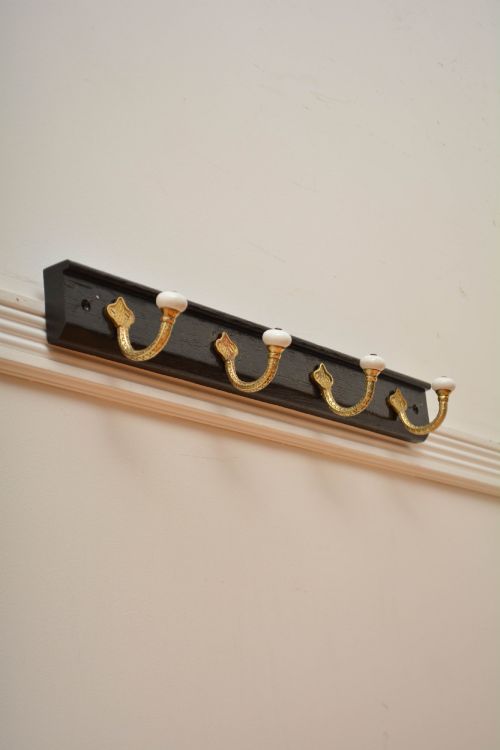
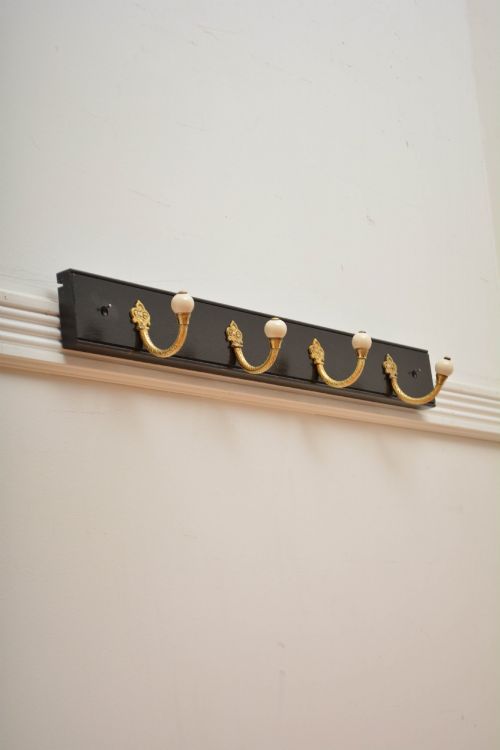
Metal components play a crucial role in construction, pairing brass or iron hooks with ceramic elements for durability. Many wall-mounted racks incorporate ebonised backboards or solid timber panels designed to protect hallway walls from daily wear.
Antique Coat Rack Timber Retail Price Guide 2026
Typical asking prices for coat rack timber among the pieces listed under this phrase on Sellingantiques today, from the lower quarter to the upper quarter. They describe what is for sale here now, not the wider market.
Listings feature periods spanning the eighteenth, nineteenth, and early twentieth centuries, constructed in mahogany, oak, pine, walnut, and beech.
What Varies in Quality
Quality reveals itself through the depth and precision of hand-carving, particularly in Black Forest animal heads and figurative elements. Superior items maintain integrity in their joinery and retain their original brass hooks and ceramic inserts without replacement.
The choice of timber and the complexity of the architectural form dictate the upper tier of the range. Simpler utilitarian pine boards sit at the functional end, whilst grand walnut hall stands with detailed turned columns represent the finer end of domestic joinery.
Jas. Shoolbred
The Antique Coat Rack Timber Glossary
- Bentwood
- Wood shaped by steaming or boiling until pliable, allowing makers to create graceful curved frames for hat and coat stands. This technique gained widespread popularity during the nineteenth and early twentieth centuries.
- Hallstand
- A multi-functional hallway furnishing combining coat hooks, a hat shelf, a mirror, and umbrella wells. These substantial pieces dominated Victorian and Edwardian entrance halls.
- Valet stand
- A freestanding piece designed to hold a suit, tie, and shoes overnight. They appear in beech and other timbers from the Edwardian period onwards.
- Ebonised
- Timber treated with a finish to imitate expensive ebony wood. This dark, formal treatment often highlights brass and ceramic hooks on wall racks.
Antique Coat Rack Timber: Frequently Asked Questions
How do I mount a wooden coat rack?
Wall-mounted timber racks require secure fixing into wall studs or proper masonry plugs to support the heavy weight of winter coats.
Ensure the span matches the pre-drilled fixing holes on the original backboard for stability.
Where should I place a hall stand?
Hall stands suit entrance hallways and boot rooms where visitors drop outer garments and hats.
Keep them away from direct heat sources to prevent the solid timbers from splitting or warping.
How do I care for antique timber?
Dust the wood regularly with a dry cloth and apply occasional high-quality beeswax to nourish the grain.
Avoid liquid cleaners that can damage the antique polish and loosen glued joints.
What is Black Forest carving?
Black Forest carving refers to highly detailed wooden sculpture originating from Switzerland and Germany, featuring animals like bears, foxes, and chamois.
These decorative elements transform functional coat hooks and hall stands into sculptural works of art.