

Antique Coat Hangers
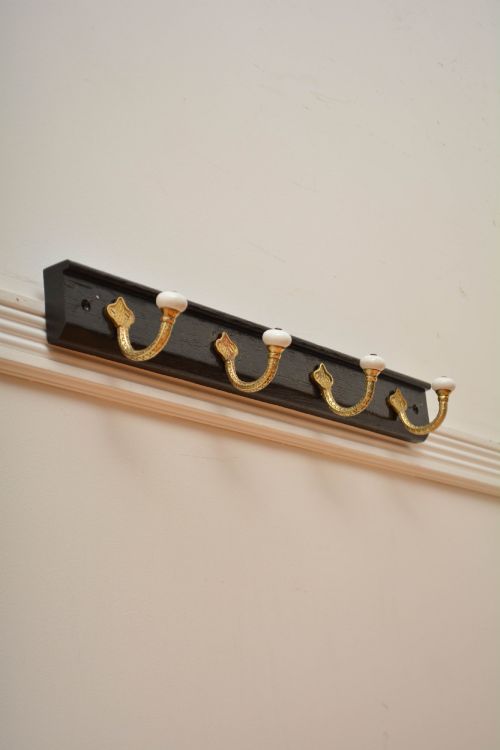
Antique coat hangers take many forms, from simple brass and ceramic wall hooks to substantial wooden racks designed for daily utility and display.
Antique Coat Hangers
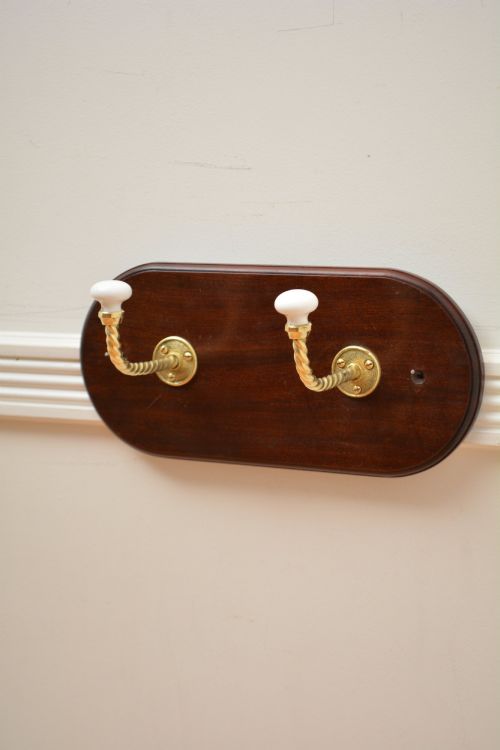
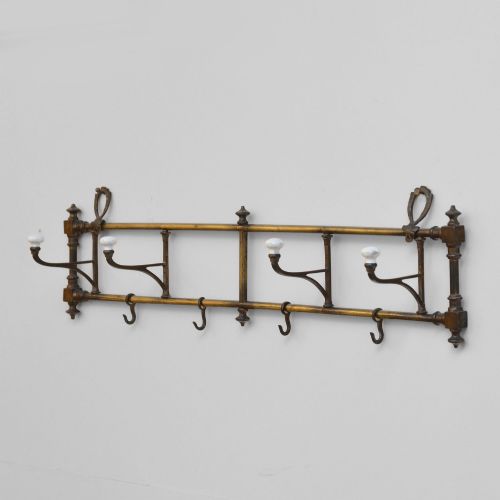
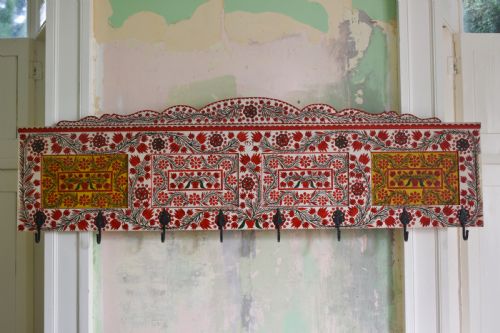
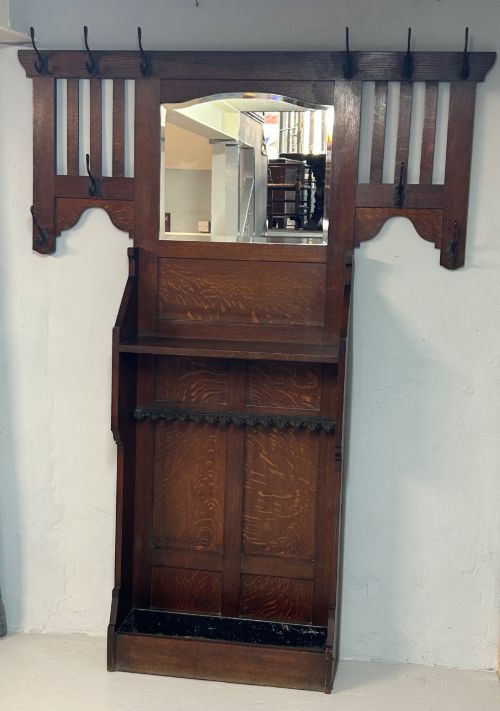
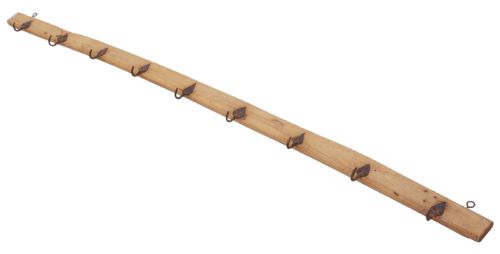
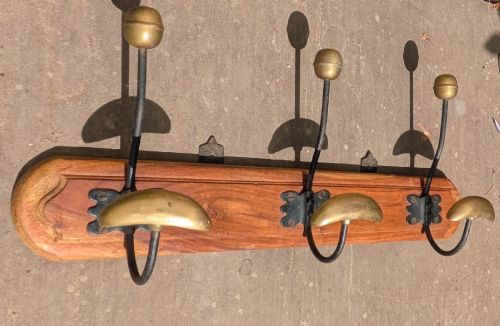
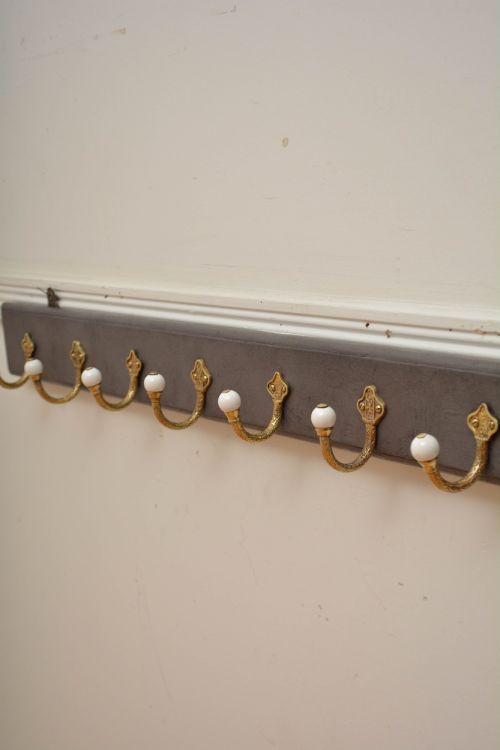
When you search for antique coat hangers, you encounter a range of wall-mounted apparatus including individual hooks, multi-hook rails, and large hall stands. The most common examples on this page are wall-mounted coat racks and sets of brass hooks fixed to wooden backboards.
The selection spans from the Victorian era and the nineteenth century into the Edwardian period, Art Deco, and early twentieth century. Pieces originate from British, French, and Continental workshops, reflecting diverse domestic habits of the past.
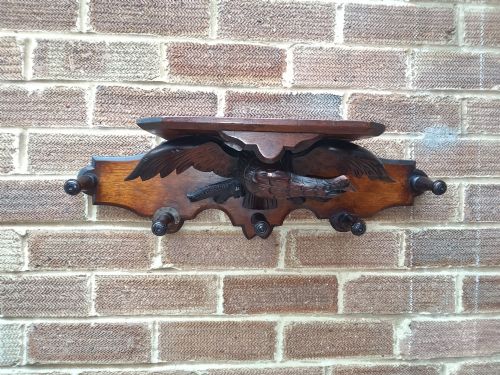
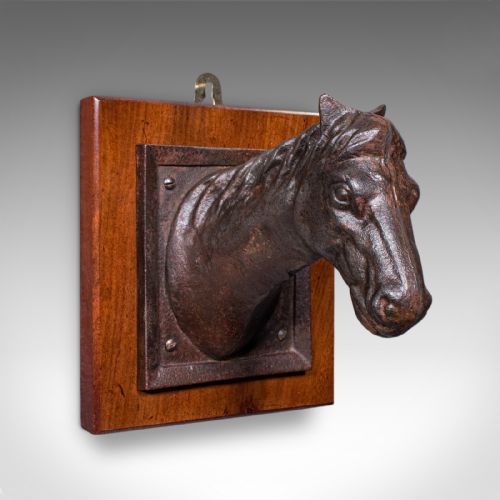
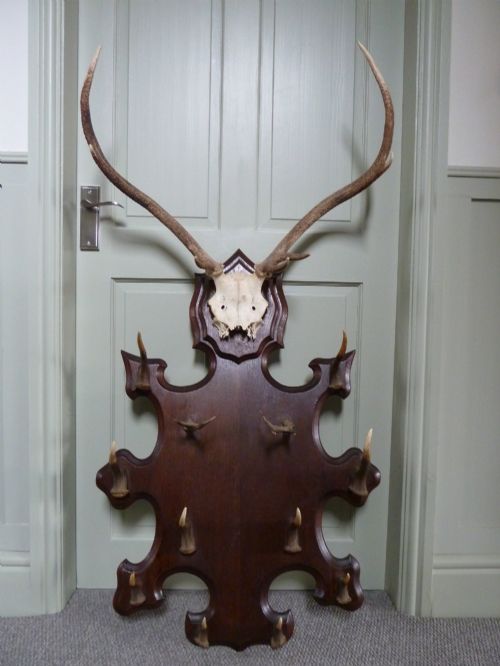
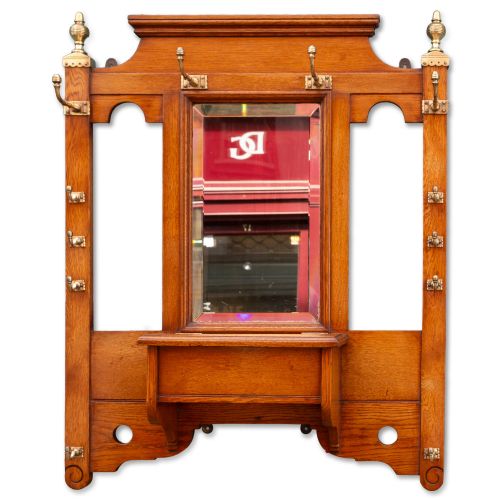
Forms include single rails, hat and coat racks with integrated shelving, and sculptural Black Forest taxidermy pieces utilising horns and antlers. Each serves the fundamental domestic purpose of organising garments in a hallway, bedroom, or kitchen.
How they were made
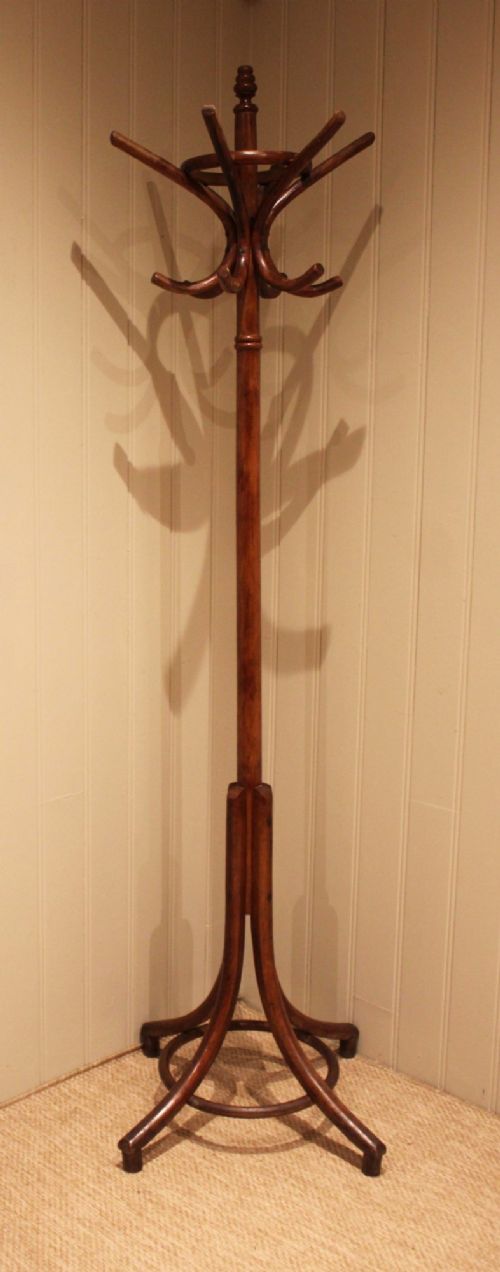
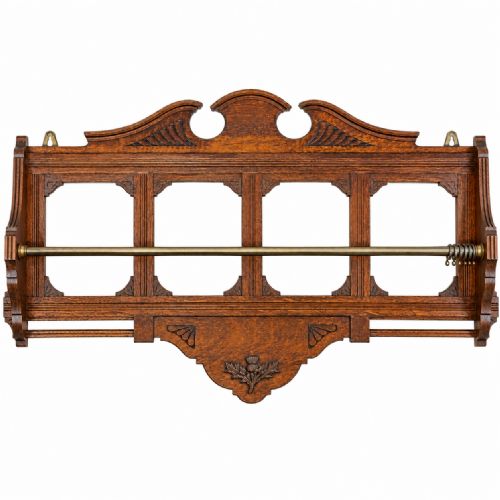
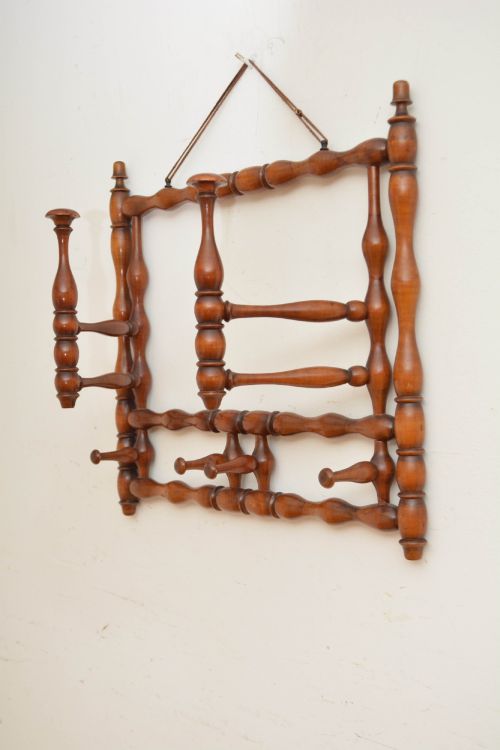
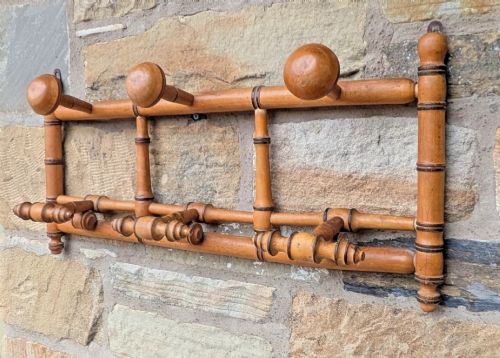
Carpenters and joiners utilised native and imported hardwoods such as oak, mahogany, pine, and ebonised timber to construct the backboards and rails. Wood was frequently turned, carved, or bent to shape, as seen in bentwood and simulated bamboo examples.
Metalworkers cast and chased brass, bronze, iron, and gilt metals to form durable hooks and mounting plates. Many hooks incorporate ceramic, porcelain, or glass knobs for a decorative finish that protected garments from snags.
Antique Coat Hangers Retail Price Guide 2026
Typical asking prices for coat hangers among the pieces listed under this phrase on Sellingantiques today, from the lower quarter to the upper quarter. They describe what is for sale here now, not the wider market.
Several pieces feature taxidermy stags' horns and bears, ensuring your hallway greets visitors with the spirit of an Alpine hunt.
What varies in quality
The distinction between ordinary and superior pieces rests on the weight of the casting and the crispness of the chasing on the brass or bronze work. Finer hooks feature well-defined floral, animal, or geometric motifs rather than generic mass-produced profiles.
The quality of the timber backboard and the integrity of its joinery also separate standard items from exceptional ones. Solid hardwoods with well-executed hand-carving or original mirrored plates demonstrate superior craftsmanship compared to basic pine utility boards.
The Antique Coat Hangers Glossary
- Backboard
- The wooden plank or panel to which individual coat hooks are screwed for wall mounting. It distributes the weight of heavy garments across multiple fixing points.
- Black Forest
- A style of carving originating from central Europe, characterised by realistic depictions of animals, foliage, and natural elements like antlers and horns. Pieces often incorporate taxidermy elements such as stag stags or bear motifs.
- Portmanteau
- A large hall stand or cloakroom piece incorporating a mirror, coat hooks, umbrella stands, and sometimes a seat. They formed the grand entrance furniture of nineteenth-century hallways.
- Hat and coat rack
- A combined wall-mounted fixture featuring lower hooks for coats and an upper shelf or rail specifically designed for hats. They are frequently constructed from brass and mahogany or oak.
Antique Coat Hangers: Frequently Asked Questions
How do I mount an antique coat rack safely?
Most antique racks require secure wall fixings distributed through the pre-drilled holes in the wooden backboard or cast metal mounting plates.
Because these pieces were built to hold heavy Victorian garments and umbrellas, ensure you anchor them directly into wall studs or use appropriate heavy-duty wall plugs.
What is the difference between a coat rack and a hall stand?
Coat racks are typically linear wooden boards with fixed hooks designed to be mounted directly onto a wall. They save floor space while providing sturdy hanging storage.
Hall stands, by contrast, are large freestanding pieces of furniture that often combine coat hooks with a central mirror, umbrella wells, and sometimes a small bench.
How do I clean brass and ceramic hooks?
Brass hooks benefit from gentle dusting and occasional cleaning with a non-abrasive metal polish to maintain their natural sheen without stripping aged patination.
Ceramic and porcelain knobs on the hooks should be wiped carefully with a damp cloth, taking care to avoid harsh chemical cleaners that might damage any decorative painted details.
How can I tell a Victorian rack from an Art Deco one?
Victorian and nineteenth-century pieces generally feature heavier ornamentation, turned wooden backboards, ebonised oak, and floral or animal brass castings.
Art Deco pieces from the 1920s and 1930s typically display geometric lines, streamlined wrought ironwork, shield-shaped metal plates, and minimal ornamentation.