



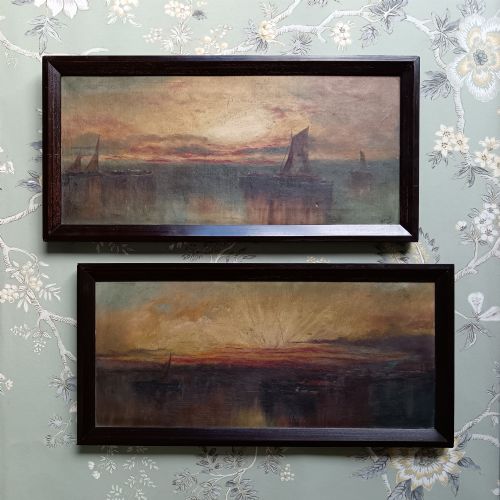
Antique Coastal Artwork
Antique coastal artwork captures the shifting light and salt-scented air of the shore through nineteenth-century watercolours and oils.
Antique Coastal Artwork
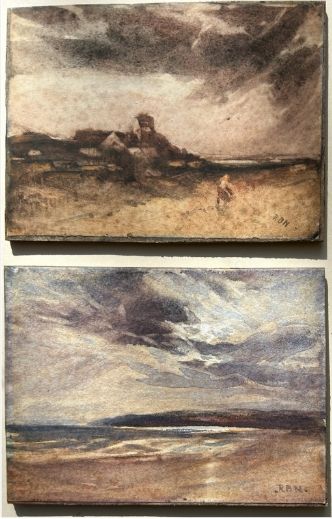
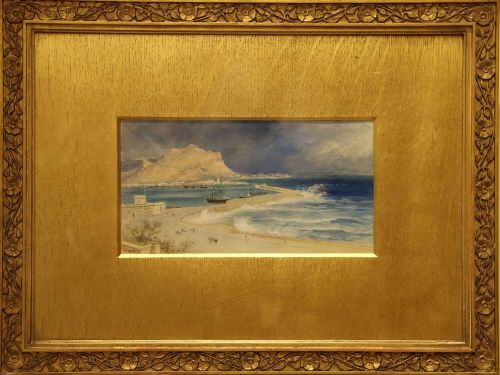
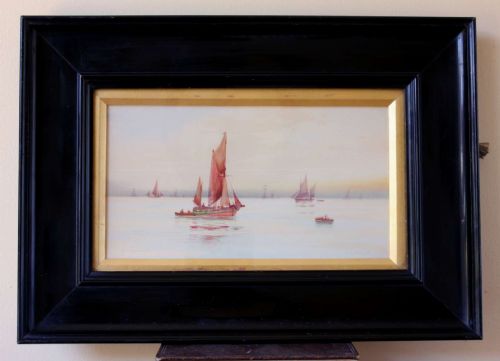
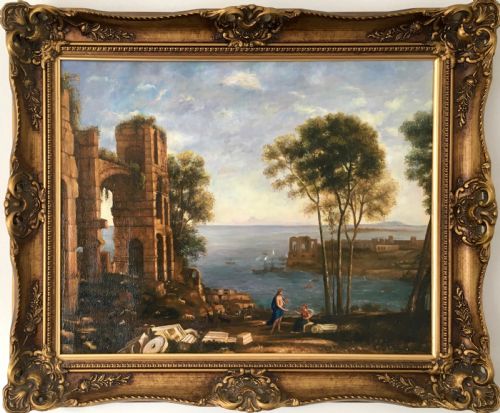
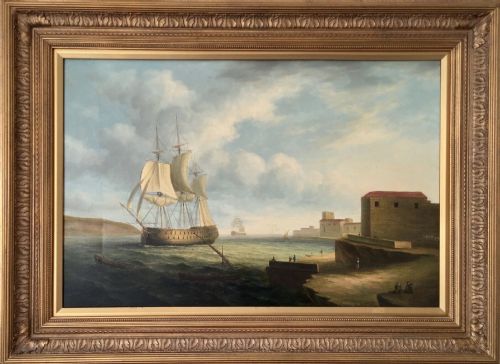
When you search for antique coastal artwork, you encounter paintings depicting harbours, fishing boats, and rocky shores from the nineteenth and early twentieth centuries. These pieces record maritime life and coastal landscapes through the eyes of contemporary painters.
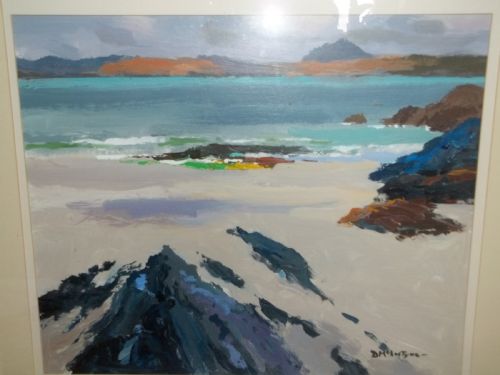
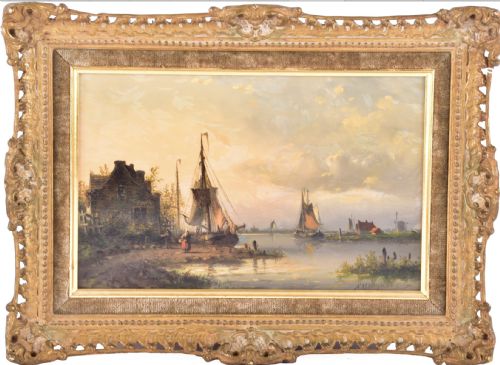
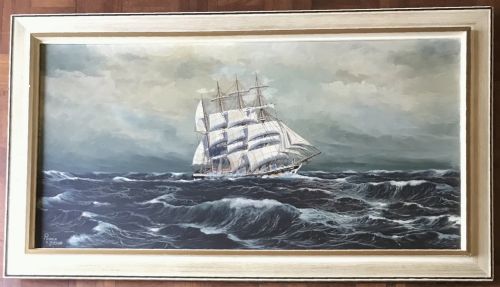
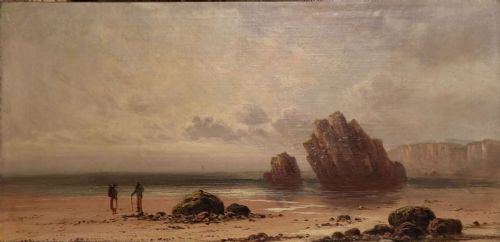
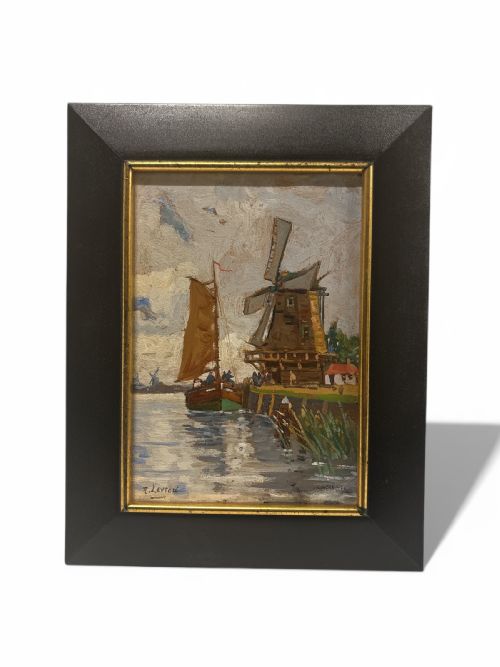
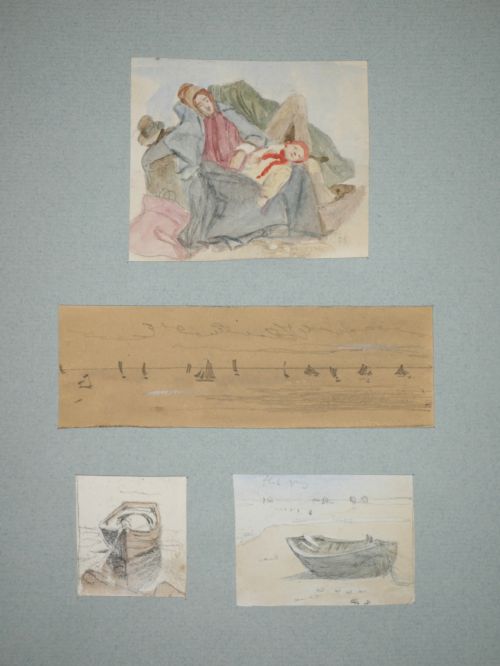
The most common examples on this page are watercolours on paper and oil paintings on canvas or board, often housed in original gilt wood frames. Subjects range from tranquil Cornish fishing villages to dramatic North Sea havens.
The creators worked within established regional traditions, recording specific ports, vessels, and coastal weather from Britain, France, and Italy. Each painting offers a direct view into the maritime history of the period.
Materials and Techniques
The works rely upon traditional watercolours on paper and oil paints applied to canvas, panel, or board. Artists handled pigment to capture the transparency of coastal shallows and the heavy atmosphere of sea mists.
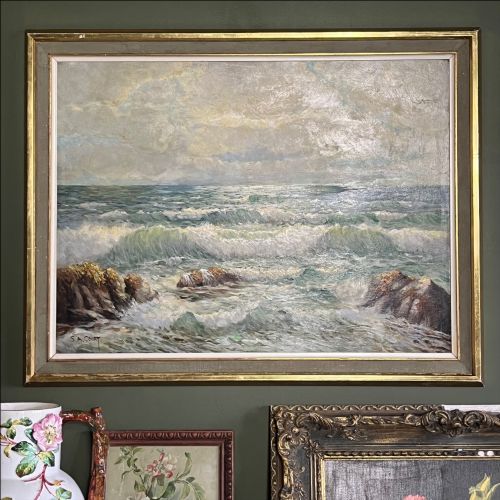
Impasto techniques appear in works where thick pigment builds texture on the canvas, rendering the rough movement of waves and rocky cliffs. Finer brushwork defines the rigging of ships and the details of harbour architecture.
Many surviving pieces retain their period gilt frames, constructed from wood and gesso to complement the maritime subject matter. These frames provide structural protection while enhancing the depth of the composition.
Several coastal scenes capture smugglers with horses on hidden paths, reminding viewers of the illicit trades once run along these shores.
Distinctions in Quality
Quality rests upon the artist's command of light, atmosphere, and maritime architecture, separating routine topographical records from deeply observed coastal scenes. Stronger compositions capture the specific movement of water and the weight of coastal skies with surety.
The preservation of the paper or canvas dictates the visual clarity of the piece, with untouched surfaces retaining their original tonal range. Original gilt frames in good condition add further distinction to the work.
James Orrock·James E. Aitken·William Banks Fortescue·Thomas Creswick·John Wilson Carmichael·Abraham Cooper·John Moore of Ipswich
The Antique Coastal Artwork Glossary
- Watercolour
- A paint consisting of pigment suspended in a water-soluble binder, commonly applied to paper to achieve luminous washes of colour.
- Impasto
- The process of laying paint thickly on a canvas or board so that it stands out from the surface, adding tangible texture to waves or cliffs.
- Gilt Wood
- Wood carved and coated with gold leaf or a gold-coloured metallic finish, frequently utilised for nineteenth-century picture frames.
- Marine Art
- Works of art that depict or draw their main inspiration from the sea, ships, and coastal environments.
- Provenance
- The chronology of the ownership, custody, or location of a historical painting.
Antique Coastal Artwork: Frequently Asked Questions
What subjects appear in these coastal paintings?
The works depict busy fishing harbours, quiet beaches, naval warships, and rolling seas under varying weather conditions. Artists recorded specific locations across Britain and Europe, capturing daily maritime life.
Common motifs include sailing vessels moored in port, figures landing the catch, and dramatic coastal cliffs. Each scene reflects the topography and maritime industries of the nineteenth and early twentieth centuries.
How do I distinguish watercolours from oil paintings?
Watercolours are painted on paper, often displayed behind glass to protect the delicate medium from moisture and fading. They rely on translucent washes of colour where the white of the paper illuminates the scene.
Oil paintings use opaque pigments on canvas, panel, or board, creating rich surface textures without glass protection. The paint layers can be thick and textured, particularly in depictions of stormy seas.
How should I frame and display these artworks?
Many pieces retain their original gilt wood frames, which complement the tonal qualities of nineteenth-century paintings. These historical frames require careful handling and stable indoor environments away from direct sunlight.
Watercolours need acid-free mounts and UV-protective glazing to prevent the paper from yellowing over time. Oil paintings on canvas benefit from stable humidity levels to protect the wooden stretchers and paint layers.
How can I tell the period of a maritime painting?
Dating relies upon the style of the clothing worn by figures, the rigging of the vessels, and the framing techniques used. Signature styles and recorded exhibition dates of the artists provide further chronological markers.
Materials such as nineteenth-century handmade paper or specific canvas types also help determine the era of production. Comparative study of known works by the same artist confirms the likely date range.