


Antique Cluster Drop Earrings
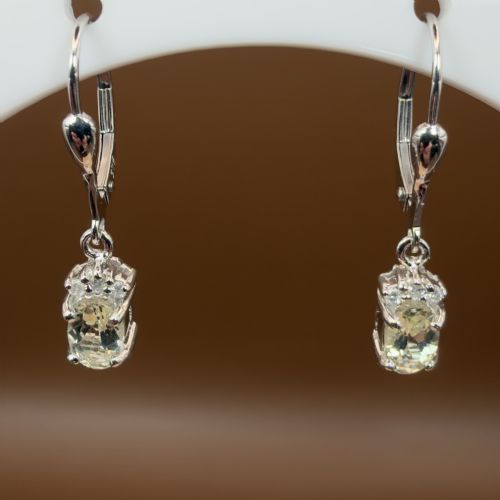
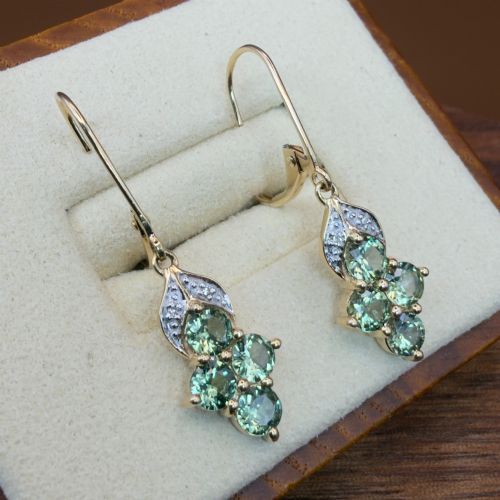
Antique cluster drop earrings combine a central clustered setting with a suspended drop, offering movement and sparkle from periods ranging from the Georgian era through to the mid-twentieth century.
Antique Cluster Drop Earrings
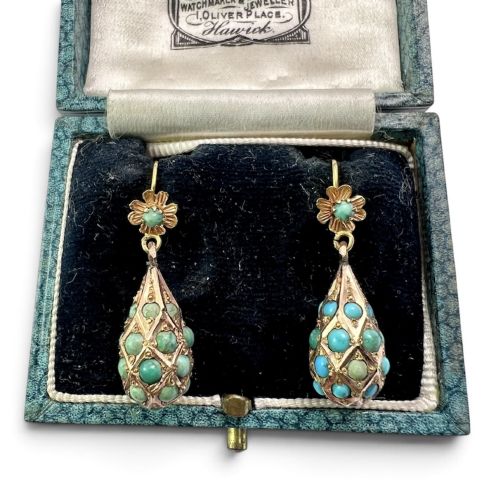
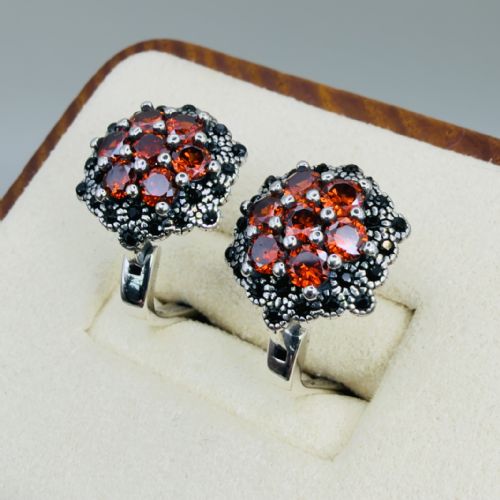
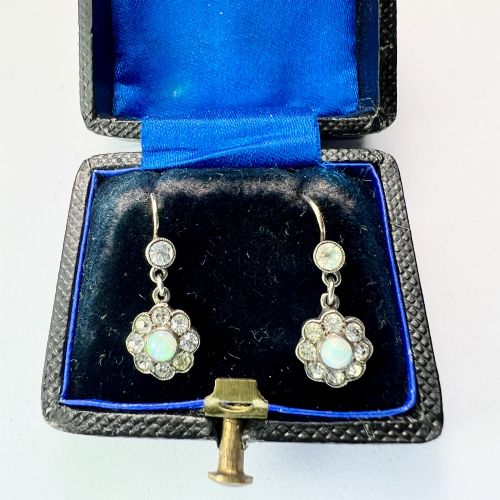
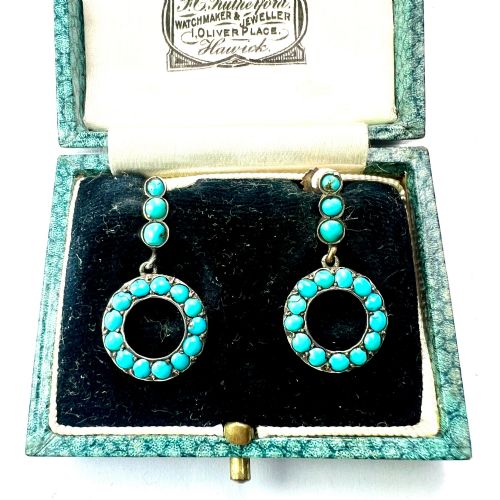
When you search for antique cluster drop earrings, you encounter items designed to suspend from the earlobe with a central cluster of stones flanked by secondary gems or arranged in floral and geometric motifs. These pieces span multiple eras, most frequently appearing from the Victorian and Edwardian periods as well as the Art Deco 1930s.
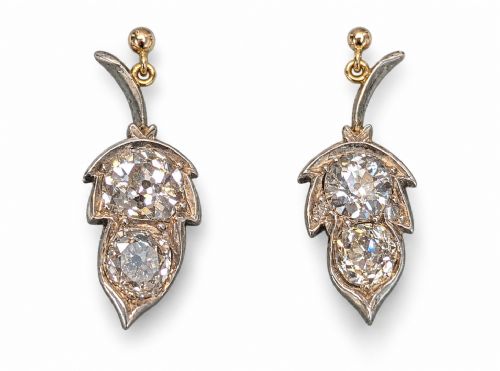
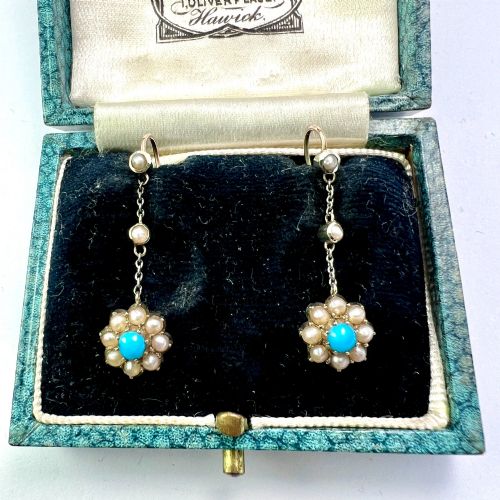
Victorian examples often utilise turquoise, garnets, seed pearls, and old-cut diamonds set in yellow gold or silver-topped gold, sometimes taking the form of teardrops, floral sprays, or ivy leaves. Edwardian and Art Deco iterations favour platinum and white gold paired with diamonds, aquamarines, and sapphires in geometric daisy or night and day configurations.
Makers such as Knoll and Pregizer contributed to this category during the early twentieth century, while various pieces reach back to Georgian times with black dot paste and forward into the 1950s and 1960s with pink sapphires, peridots, and cultured pearls.
How they were made
Goldsmiths and jewellers constructed these drops using a combination of yellow gold, rose gold, 18ct white gold, platinum, and silver, frequently employing silver-topped gold settings to enhance the whiteness of old-cut and rose-cut diamonds.
Stones are secured in varied mounts, from cluster configurations featuring central diamonds or coloured gemstones encircled by smaller brilliants, to seed pearl and turquoise arrangements built around floral motifs.
Ear wires and fastenings range from traditional pierced hook wires to screwbacks and hinged drops, reflecting the changing technology and preferences of the nineteenth and twentieth centuries.
Listings feature yellow gold, rose gold, 18ct white gold, platinum, and silver-topped gold across Georgian, Victorian, and Art Deco periods.
What varies in quality
Quality in antique cluster drop earrings depends heavily on the uniformity and cut of the stones, particularly the presence of old European, old cut, or rose cut diamonds matched symmetrically within the cluster and drop.
The sophistication of the metalwork also dictates distinction, separating standard production pieces from finer handmade mountings in platinum, 18ct gold, or detailed silver-topped work where stones are securely and evenly spaced.
Knoll and Pregizer
The Antique Cluster Drop Earrings Glossary
- Cluster
- A gemstone setting where a central stone is surrounded by a ring of smaller stones. This arrangement maximises visual impact and light reflection.
- Paste
- Hand-cut glass used in historical jewellery to imitate gemstones. Georgian and Victorian paste work often displays exceptional craftsmanship.
- Silver-topped Gold
- A technique where a layer of silver is soldered over gold to provide a bright white surface for diamond setting while retaining gold's strength underneath.
- Dormeuses
- A style of earring originally designed to be comfortable enough to sleep in. They often feature secure closures suited for continuous wear.
- Parure
- A matched set of jewellery intended to be worn together. In this category, earrings frequently form part of a suite alongside pendants or brooches.
Antique Cluster Drop Earrings: Frequently Asked Questions
What periods do these earrings come from?
These earrings originate from a wide span of history, including the Georgian era, the Victorian period, and the Edwardian years. Later examples extend into the Art Deco 1930s, mid-century designs, and the 1960s.
Victorian pieces often feature garnet, turquoise, and yellow gold, while Art Deco versions typically showcase platinum, white gold, and diamonds in geometric cluster drops.
How are antique drop earrings fastened?
Fastenings vary depending on the decade of manufacture and whether the wearer has pierced ears. Many Victorian and Edwardian examples utilise standard hook wires or hinged drop mechanisms.
Later or converted pieces from the mid-twentieth century frequently employ screwback fittings designed for non-pierced lobes, alongside specialised configurations like dormeuses.
What stones are common in these clusters?
Diamonds are the most prevalent central and accent stones, appearing as old-cut, rose-cut, and European-cut brilliants. Coloured gems such as aquamarines, sapphires, pink sapphires, peridots, garnets, and emeralds also feature prominently.
Organic and ornamental materials like natural pearls, seed pearls, turquoise, opal, and moonstone appear frequently in Victorian and Edwardian botanical clusters.
Can I wear antique drop earrings daily?
Wearing antique cluster drop earrings daily depends on their construction, age, and secureness of the fastenings. Robust platinum and gold settings from the twentieth century handle regular wear well, whereas delicate Georgian paste or Victorian seed pearl items require greater care.
Checking the condition of the settings and ear wires ensures the pieces remain secure during active use.