
Antique Clothes Cabinet
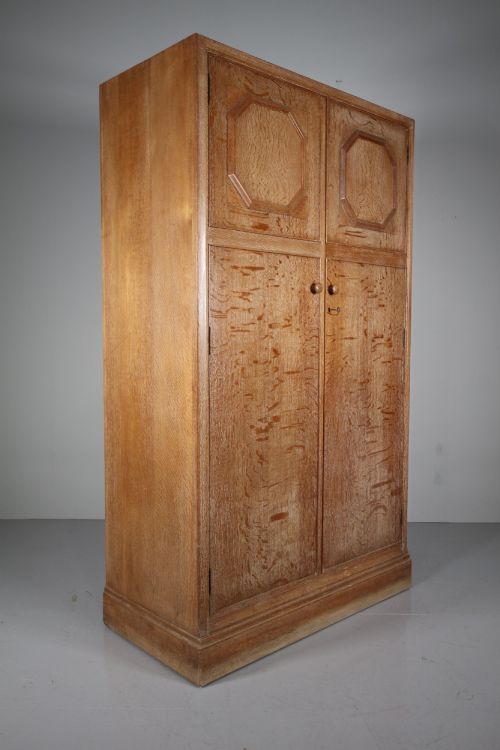
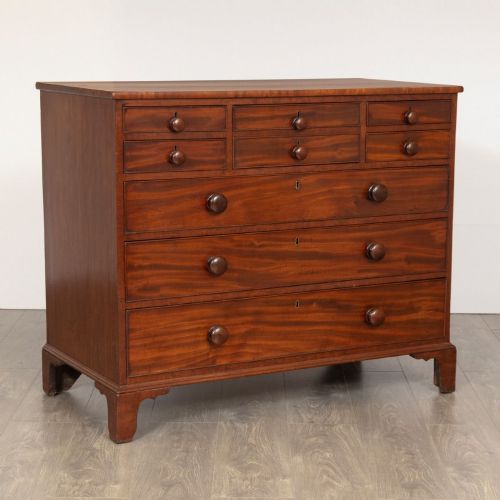
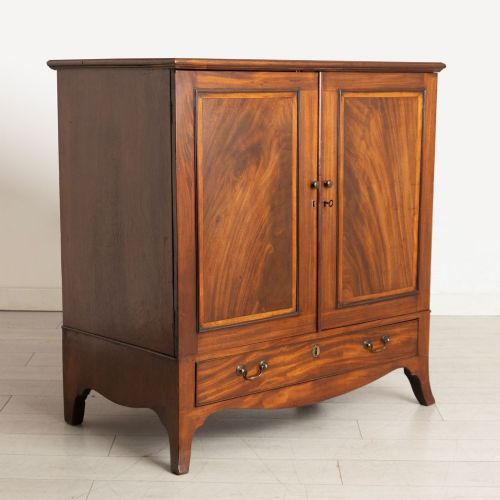
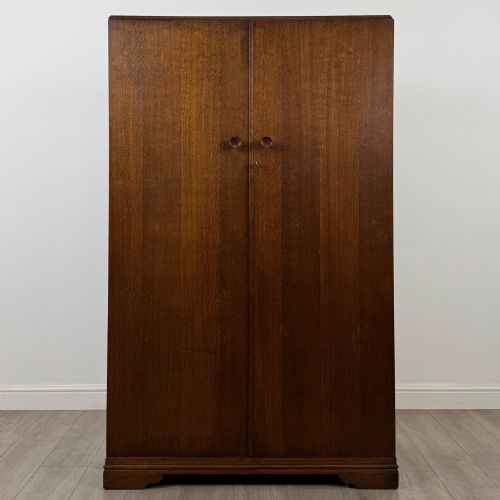
An antique clothes cabinet provides deep storage for garments, spanning wardrobes, linen presses, and armoires crafted in mahogany, oak, and burr walnut.
Antique Clothes Cabinet
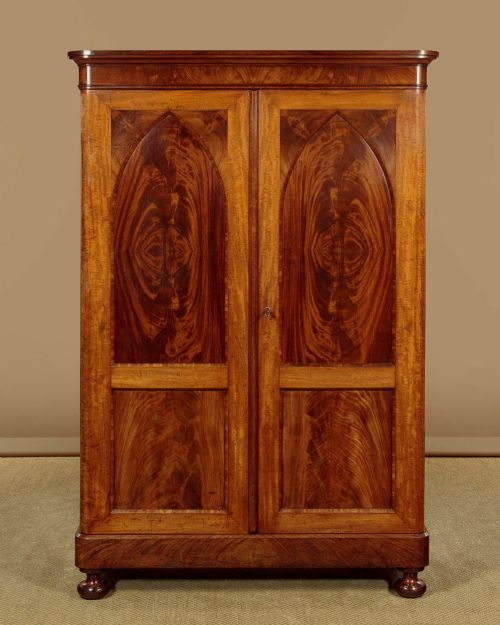
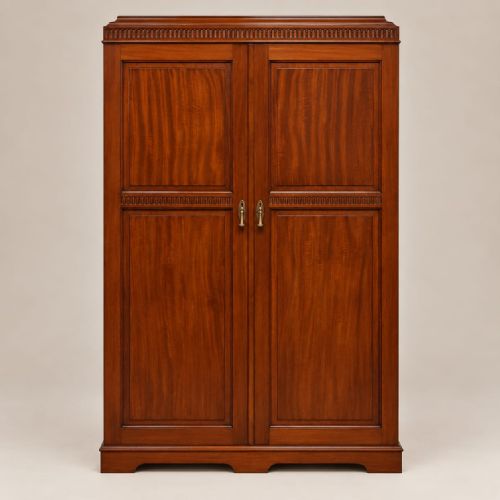
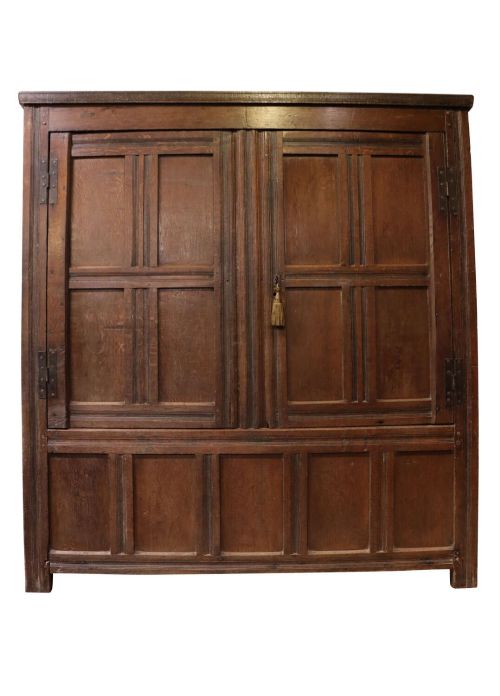
The term antique clothes cabinet encompasses a diverse range of large storage furniture, most frequently appearing on this page as wardrobes, linen presses, and press cupboards. Buyers search for these pieces to bring traditional craftsmanship and substantial storage capacity into domestic spaces.
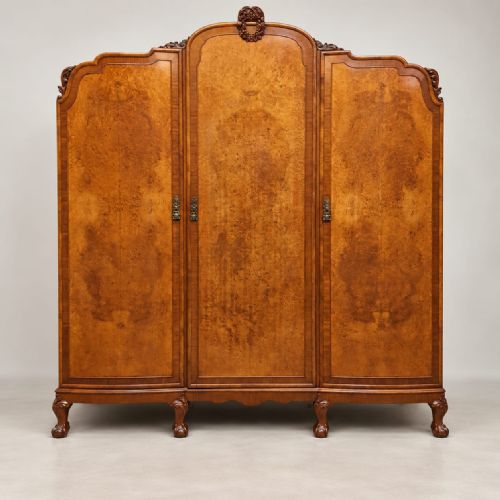
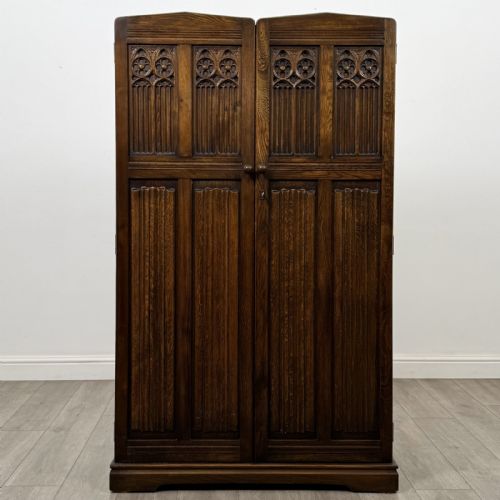
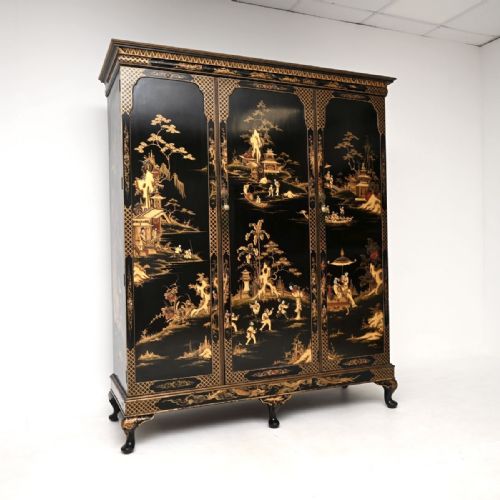
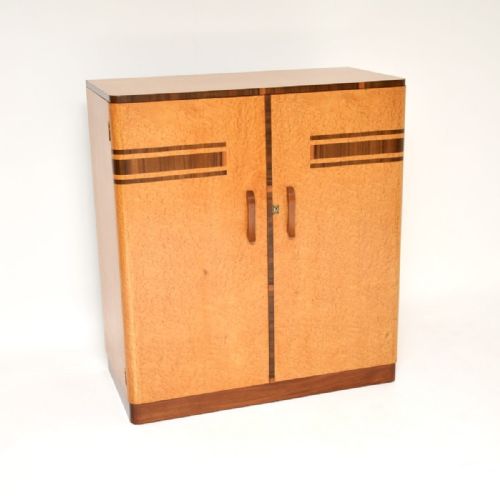
The selection ranges from early Georgian and George III mahogany press cupboards to Victorian oak wardrobes and Edwardian inlaid compactums. French provincial armoires, Arts and Crafts pine pieces, and later Art Deco designs also feature prominently across the inventory.
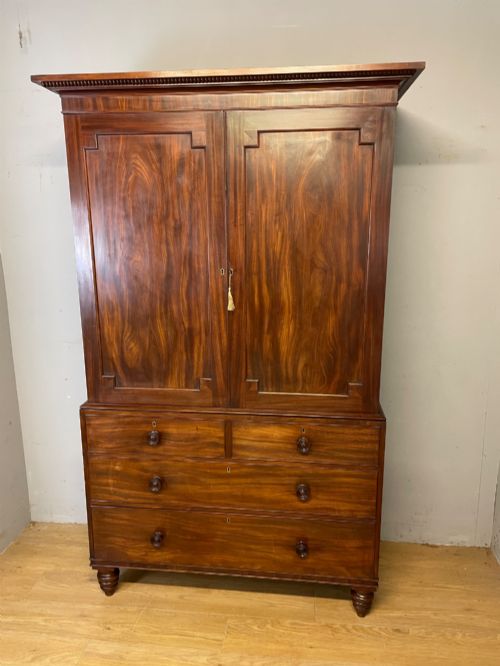
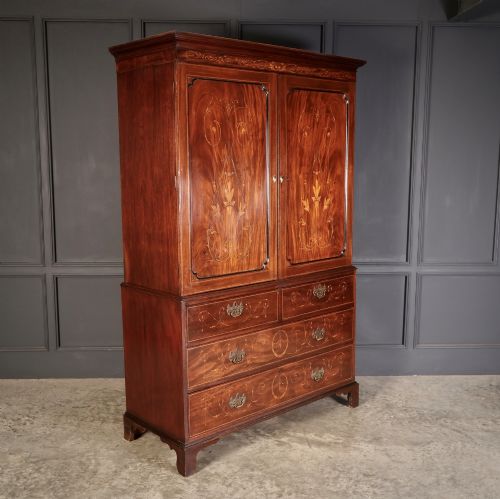
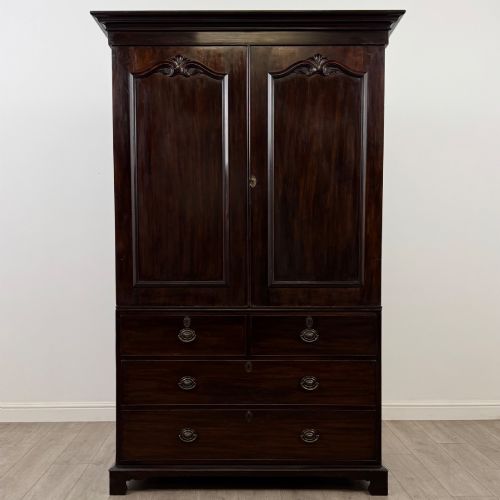
Linen presses combine upper cupboard doors with lower drawer sections, initially designed for flat linens before adapting for hanging clothes. Wardrobes provide dedicated vertical hanging space, sometimes accompanied by internal drawers and compartments in larger fitted formats.
Materials and construction
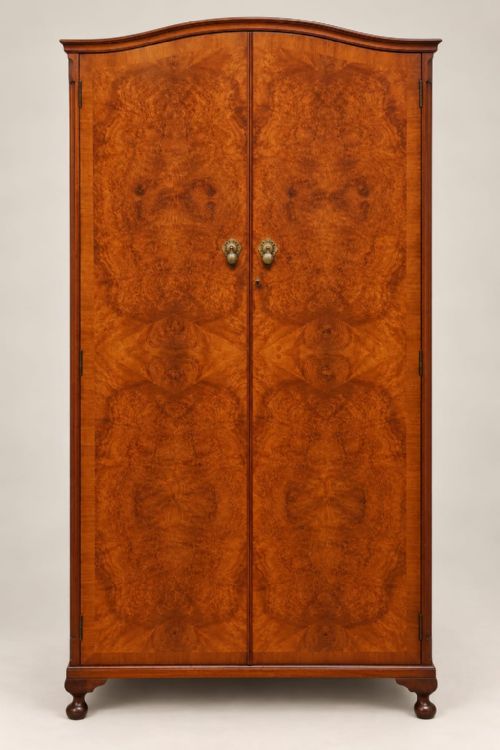
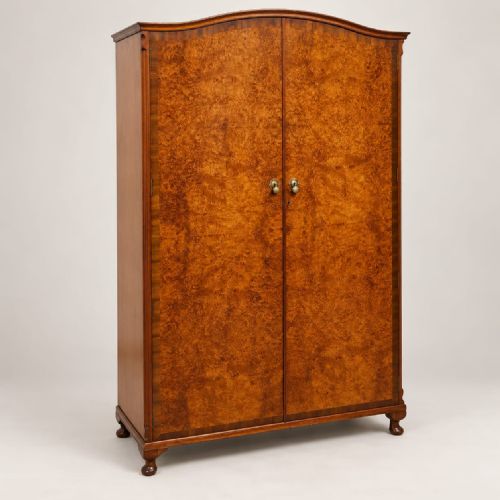
Cabinetmakers utilised timber suited to the prevailing style of each period, relying heavily on solid mahogany, oak, and pine for structural integrity. Finer examples incorporate decorative veneers such as burr walnut, satinwood, and elaborate marquetry or string inlay.
Internal components often combine secondary timbers like oak and pine with brass hardware for handles, locks, and hanging hooks. Construction techniques evolved from pegged frame-and-panel assemblies in earlier centuries to knockdown designs in later Victorian pine wardrobes intended for easier transport.
Several massive pine wardrobes bear instructions for future movers, noting they were built strictly to wax or paint.
Evaluating craftsmanship and condition
Quality separates pieces through the selection of timber figures, such as highly figured burr walnut or dense, richly patinated mahogany. Superior execution shows in precise dovetail joints on drawers, crisp carved or fretworked cornices, and well-fitted doors that hang true.
The integration of internal fittings, including original sliding trays in linen presses or fitted shelving in gentlemen's wardrobes, elevates the standing of a piece. Finer examples retain original brasswork, functional locks, and harmonious proportions across breakfront or compactum formats.
Maples & Co·Gillows
The Antique Clothes Cabinet Glossary
- Linen press
- A dual-purpose piece featuring upper storage enclosed by doors above a chest of base drawers, originally intended for flat textiles. These cabinets evolved to accommodate modern hanging requirements while retaining their traditional upper sliding trays.
- Compactum
- A multi-functional wardrobe design incorporating hanging space, shelves, and internal drawers within a single unified cabinet. Edwardian makers utilised this configuration to maximise storage efficiency in domestic bedrooms.
- Breakfront
- A cabinet facade where the central section projects forward from the flanking outer wings. This architectural arrangement creates visual depth and allows for varied internal storage capacities.
- Blind fretwork
- Carved decorative geometric or Chinese-style patterns applied to a flat surface without piercing right through the timber. Cabinetmakers used this technique on cornices and friezes during the Georgian period.
- Tansu
- Traditional Japanese mobile storage cabinetry constructed from timber with iron mounts and drawer configurations. These pieces offer an alternative aesthetic to European clothes storage.
Antique Clothes Cabinet: Frequently Asked Questions
What is the difference between a wardrobe and a linen press?
A wardrobe provides vertical hanging space for garments behind full-length doors, often with lower drawers attached. A linen press places cupboard doors over a chest of drawers, originally housing sliding trays for flat textiles.
Many linen presses underwent internal conversion to hanging wardrobes during the nineteenth century to suit changing fashion and domestic habits.
How do I date an antique clothes cabinet?
Dating relies on observing timber choices, construction methods, and stylistic details aligned with documented periods like Georgian, Victorian, or Edwardian. Earlier pieces from the eighteenth century typically show hand-cut dovetails and pegged joinery, whereas twentieth-century examples display machine tooling and alternative wood veneers.
Hardware styles, cornice designs, and the presence of maker stamps or labels also help establish a reliable timeline of manufacture.
Will a knockdown wardrobe fit in a modern bedroom?
Large nineteenth-century pine wardrobes were frequently constructed as knockdown units, meaning they disassemble into separate panels, cornices, and base sections for transport. This historic engineering allows owners to move substantial pieces through narrow stairwells and assemble them securely in position.
Checking the internal depth and ceiling height ensures the assembled cabinet fits comfortably within contemporary room proportions.
How should I care for a mahogany clothes cabinet?
Mahogany cabinets benefit from stable indoor humidity and protection from direct sunlight to preserve the rich colour and polished finish of the timber. Regular dusting with a soft cloth keeps the surface clean without requiring heavy commercial polishes.
Applying occasional natural wax feeds the wood and maintains the historical patina developed over centuries of use.