


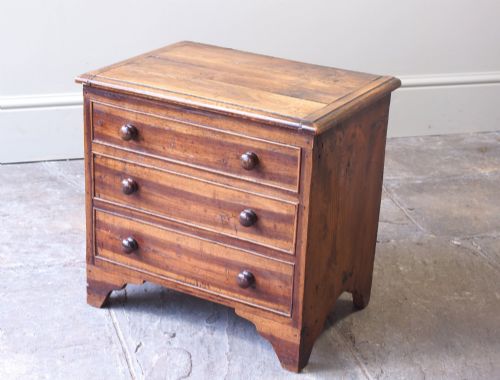


Antique Close Stool
An antique close stool is a piece of historical sanitation disguised as refined furniture, offering both period craft and functional curiosity for the home.
Antique Close Stool
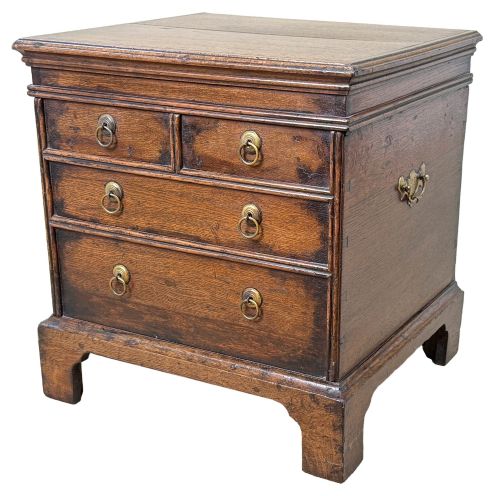
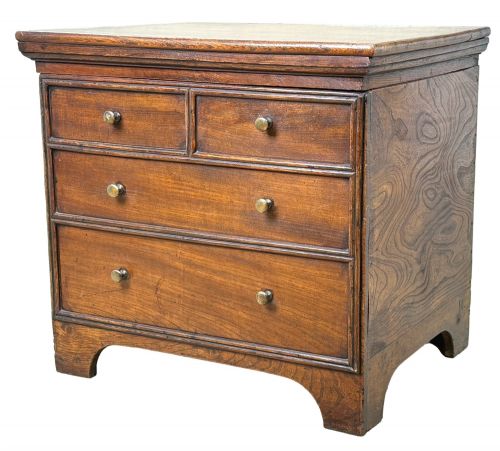
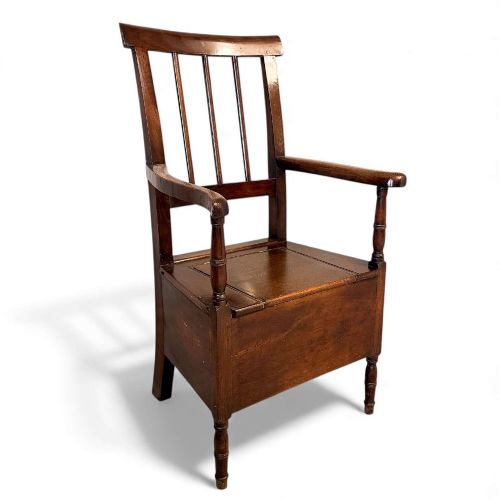
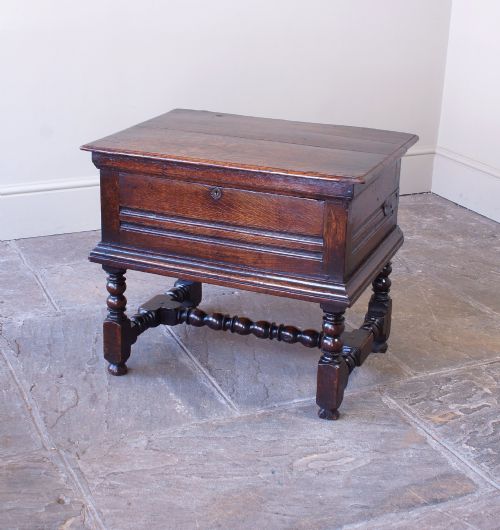
An antique close stool is a discreet piece of domestic furniture designed to conceal a chamber pot, appearing as a small bedside chest, armchair, or box stool. These forms range from seventeenth-century oak box stools to eighteenth-century Georgian bedside cabinets and commode armchairs.
Makers of the period built these pieces to blend seamlessly with bedroom and dressing room furnishings, utilising sturdy timbers like oak, elm, and walnut. Such designs demonstrate how everyday utility met sophisticated cabinet-making in historical domestic interiors.
Materials and construction
Joiners relied primarily on native hardwoods, notably oak and elm, alongside secondary timbers such as pine and fruitwoods like plumwood and walnut. These materials provided the structural integrity required for daily domestic use while allowing for panelled construction and dovetailed box forms.
Construction techniques combined traditional frame-and-panel assembly with turned legs, hinged tops, and enclosed cupboard doors. Brass and iron hardware, including hinges and carrying handles, fastened the components securely and enabled the discreet movement of the furniture around the bedchamber.
Listings feature oak, elm, walnut, plumwood, fruitwood, pine, brass, and iron across seventeenth and eighteenth-century forms.
Quality and craftsmanship
Quality rests in the selection of timber and the fidelity of the cabinet-making, distinguishing simple vernacular boxes from refined Georgian bedside chests. Figured elm or well-figured walnut surfaces elevate a piece above standard utility items.
The execution of the joinery and the survival of original hardware, such as brass pulls and iron hinges, separate superior examples from heavily altered pieces. Proportion and the cleverness of the disguise - making a sanitary box look like an armchair or a small chest - define the maker's skill.
The Antique Close Stool Glossary
- Close stool
- A portable enclosed seat used for sanitary purposes before indoor plumbing, often disguised as a chair or cabinet. These items form the core of this selection.
- Commode chair
- An armchair or box seat fitted with a commode function inside the base. They bridge the gap between seating furniture and sanitary equipment.
- Box stool
- A rigid container-like seat with a lifting lid, frequently utilised as a close stool in seventeenth-century interiors. Their box construction provided stability and ample internal space.
- Vernacular furniture
- Items made by local craftsmen using regional traditions and readily available woods rather than following metropolitan fashion. Oak and elm examples frequently show these robust local traits.
- Georgian
- Pertaining to the reigns of the four British monarchs named George, spanning the eighteenth century. Pieces from this era often display lighter proportions and refined cabinet-making.
Antique Close Stool: Frequently Asked Questions
What is an antique close stool?
An antique close stool is a piece of historical furniture designed to house a chamber pot out of sight. They were standard bedroom equipment before the advent of indoor plumbing.
Craftsmen built them to resemble ordinary household items such as armchairs, small chests, or box stools so they would not look out of place in a refined interior.
How were close stools used?
Users sat upon the stool to relieve themselves into a ceramic pot kept inside the enclosed base. Servants would then empty and clean the pot.
Because they were portable, they sat in bedchambers and dressing rooms for convenience during the night and early morning.
How do I tell an 17th century close stool from an 18th century one?
Seventeenth-century examples generally feature heavier oak construction, peg joinery, and box stool or joint stool forms. They look rustic and substantial.
Eighteenth-century pieces often adopt Georgian styling, appearing as bedside chests with panelled doors or upholstered armchairs with enclosed seats.
Where did people keep close stools?
They stayed primarily in bedchambers, dressing rooms, and private closets where privacy mattered most. Their disguise as standard furniture allowed them to sit openly without drawing undue attention.
Today, collectors use them as side tables, bedside cabinets, or decorative accent pieces in traditional interiors.