




Antique Clock Circa 1880
An antique clock circa 1880 brings substantial Victorian and French craftsmanship into a room, offering brass movements and stately charm that collectors prize.
Antique Clock Circa 1880
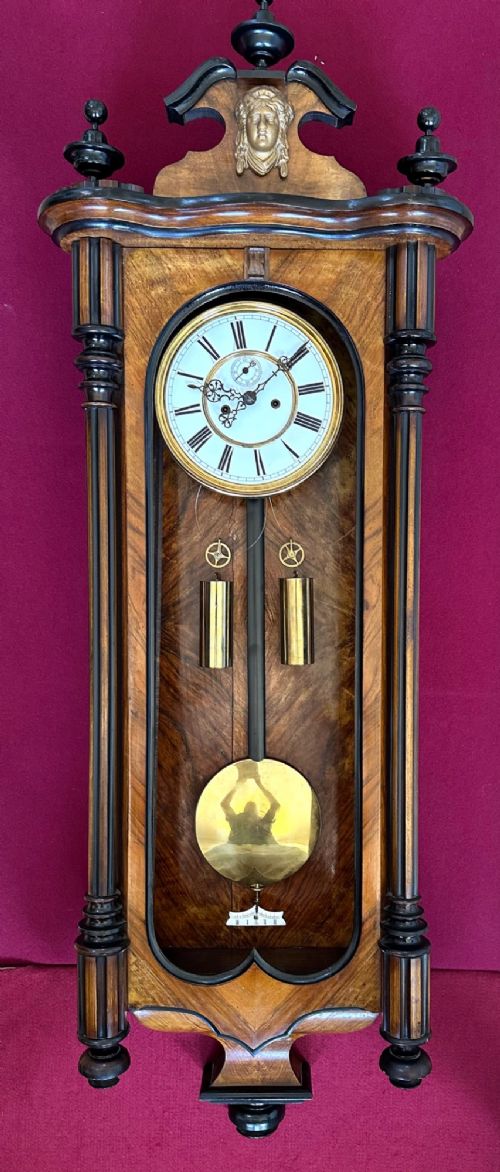
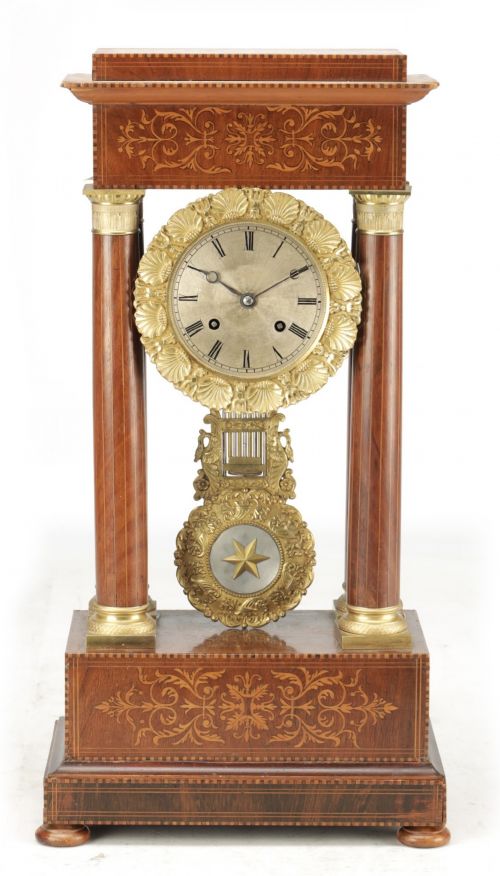
When searching for an antique clock circa 1880, you encounter robust Victorian pieces and ornate French mantel clocks from the same decade. The selection includes carriage clocks, fusee wall dials, portico clocks, and large garniture sets with side urns or candelabra.
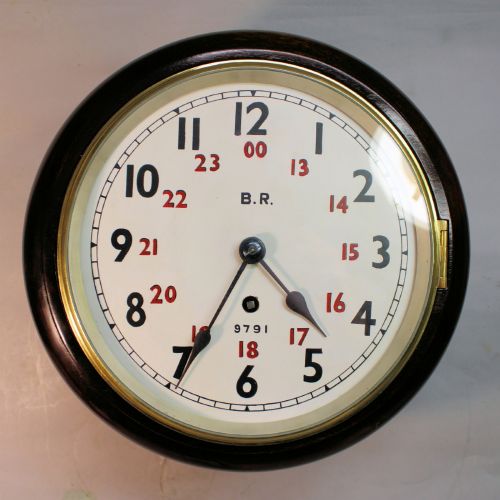
British examples often feature mahogany cases and reliable fusee movements made for railways or domestic halls, while French productions showcase gilt brass, ormolu, champleve, and Sevres porcelain. These objects functioned as both precise timekeepers and grand centrepieces for late nineteenth-century interiors.
Mantel clocks dominate the selection, spanning styles from French Rococo and Louis XVI revivals to Gothic skeleton clocks and classical portico designs. Each piece reflects the industrious spirit and decorative confidence of the 1880 period.
How they were made
Makers constructed movements in brass and steel, housing them in cases shaped from mahogany, marble, onyx, or cast bronze. Artisans applied fire gilding, ormolu, and detailed patination to metal surfaces to catch the candlelight.
Enamel dials with delicate painted numerals received protective bevelled glass covers, while porcelain panels from factories like Sevres were integrated directly into the clock housings. Cabinetmakers shaped solid mahogany and applied boulle marquetry to wooden carcasses for rich textural contrast.
Complex mechanical assemblies utilised eight-day spring or fusee movements, occasionally incorporating striking mechanisms, alarms, or repeating complications. Every gear and escapement was hand-adjusted by skilled horologists to ensure reliable timekeeping.
Antique Clock Circa 1880 Retail Price Guide 2026
Typical asking prices for clock circa 1880 among the pieces listed under this phrase on Sellingantiques today, from the lower quarter to the upper quarter. They describe what is for sale here now, not the wider market.
Some carriage clocks include alarm functions designed to rouse Victorian travellers from their deep slumber.
What varies in quality
The standard of a clock rests upon the crispness of its cast metal ornament and the finish of its movement. Finer pieces display deeply chased ormolu, hand-painted porcelain panels free of hairline cracks, and signed movements by known makers.
Case materials show distinct hierarchies, where solid mahogany and genuine French marble outclass simpler stained timbers or softer metal alloys. The integrity of the original mercury gilding and the presence of matching garniture sets elevate the overall standing of an object.
John Walker·Drocourt·Joseph Jump·Leroy and Fils·Palais Royal
The Antique Clock Circa 1880 Glossary
- Fusee
- A conical pulley used in clock movements to maintain even force on the gear train as the mainspring unwinds. This mechanical addition improves the accuracy of the timekeeper.
- Ormolu
- Gilded bronze ornamentation applied to the mounts and cases of French clocks. The technique involves coating base metal in a mercury and gold amalgam before heating.
- Garniture
- A set comprising a central clock flanked by matching decorative objects such as urns or vases. These symmetrical arrangements anchored the mantelpiece in Victorian drawing rooms.
- Skeleton clock
- A timepiece with an open brass frame that exposes the gear train and escapement to view. Protected by a glass dome, these clocks highlight the intricate mechanics within.
- Champleve
- An enamelling technique where troughs are dug into a metal surface and filled with vitreous paste before firing. The resulting colourful patterns adorn many French clock faces and cases.
Antique Clock Circa 1880: Frequently Asked Questions
How do I wind an antique clock?
Use the appropriate winding key to gently turn the arbour until you feel resistance, taking care not to overwind the mainspring.
Most eight-day movements require weekly attention to maintain accurate timekeeping across the brass gear train.
Where should I place a mantel clock?
Position the clock on a stable, level surface away from direct sunlight, draughts, and extreme temperature fluctuations.
Fireplace mantels or sturdy sideboards provide traditional settings that showcase the bronze, marble, or mahogany cases.
How do I identify a Victorian fusee clock?
Examine the dial and interior movement for the distinctive conical fusee pulley and chain system that regulates the spring power.
These British clocks often feature mahogany surrounds or wall dials signed by London makers.