




Antique Clerical Painting
An antique clerical painting captures the solemn dignity of ministers, bishops, and theologians across centuries of European portraiture.
Antique Clerical Painting
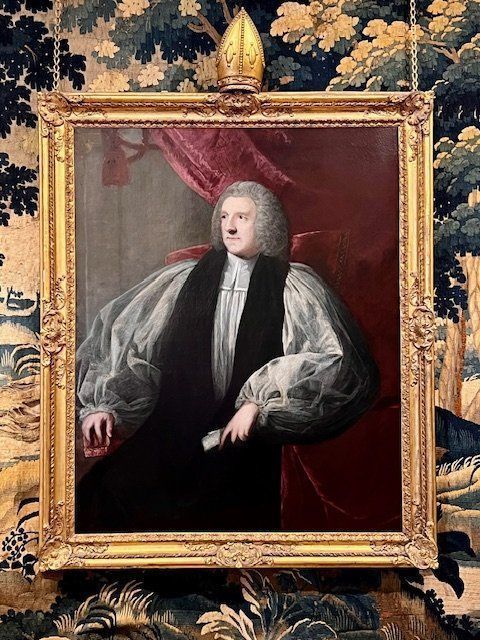
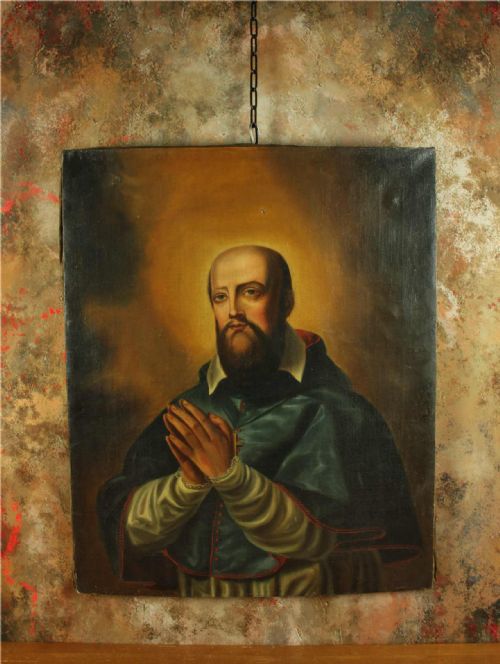
When you search for an antique clerical painting, you encounter solemn depictions of bishops, archbishops, deans, and ministers rendered in oil on canvas.
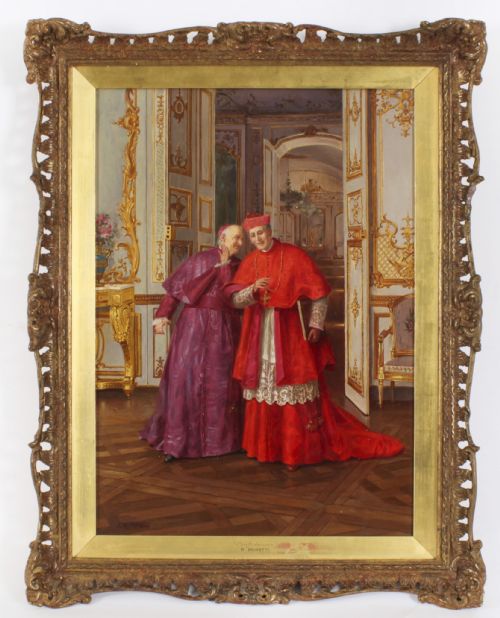
The selections span from the 17th century through the Victorian era, capturing ecclesiastical figures in austere black robes, rich scarlet cardinals' vestments, or academic bands.
These works frequently originate from British, Italian, and Spanish schools, ranging from stern Puritan ministers to contemplative monks caught in quiet moments.
Materials and technique
Artists relied primarily on oil paint applied to woven canvas, though copper panels also appear among these religious portraits.
Many historical works are housed in period frames constructed from carved wood, gesso, and giltwood.
Brushwork varies from the smooth, academic realism of 18th-century portraitists to the dramatic chiaroscuro of Baroque ecclesiastical commissions.
Antique Clerical Painting Retail Price Guide 2026
Typical asking prices for clerical painting among the pieces listed under this phrase on Sellingantiques today, from the lower quarter to the upper quarter. They describe what is for sale here now, not the wider market.
Several canvases capture clergymen momentarily distracted from theology to admire a freshly caught fish.
Judging the works
Works attributed to notable portraitists or well-documented schools demonstrate superior draughtsmanship in hands, vestments, and background details compared to anonymous regional copies.
Sir Joshua Reynolds·Frank Moss Bennett·Frank Hyde·Alan Ramsay·Adriaen Van der Werff·James Ward·John Jackson·Edward Penny
The Antique Clerical Painting Glossary
- Oil on canvas
- Pigments bound in drying oil applied to a stretched woven fabric support. This remains the predominant medium for formal portraiture from the seventeenth century onward.
- Giltwood
- Carved wood finished with a thin layer of gold leaf over a prepared gesso ground. These frames often indicate the original period mounting of the painting.
- Baroque
- An artistic style originating around sixteen hundred, marked by exaggerated motion and clear detail used to produce drama. Italian and Spanish examples in this genre emphasise intense light and shadow.
- Academic realism
- A style of painting influenced by the standards of European art academies. Works in this manner prioritize accurate anatomy, smooth brushwork, and lifelike textures.
Antique Clerical Painting: Frequently Asked Questions
What is an antique clerical painting?
These works are historical portraits depicting members of the clergy, including archbishops, vicars, popes, and theologians. They serve as historical documents of ecclesiastical hierarchy and personal devotion.
Created primarily in oil on canvas, the pieces record the changing vestments, facial hair styles, and social standing of religious figures over four centuries.
How were these clerical portraits used?
Sitters commissioned these formal likenesses to mark high office, university fellowships, or long service within a parish. They hung in cathedral vestries, college halls, and private manorial libraries.
Later, collectors gathered them to document religious history, genealogical lineages, and the evolution of ecclesiastical vesture.
How do I date an antique clerical painting?
Dating relies heavily on the sitter's costume, such as clerical bands, wigs, rochets, and academic hoods typical of specific decades. Inscriptions, painter signatures, and the weave of the canvas provide further chronological markers.
Frame construction and the preparation layers beneath the paint surface also offer clues to whether a work dates to the seventeenth, eighteenth, or nineteenth century.
How should I live with an oil portrait?
Keep these paintings away from direct sunlight and sudden humidity shifts to prevent the canvas from slackening and the oil paint from cracking. Hang them on stable internal walls using hardware rated for the weight of the frame.
Dust the surface gently with a soft, dry brush and avoid chemical cleaning agents that might damage the fragile varnish layers.