


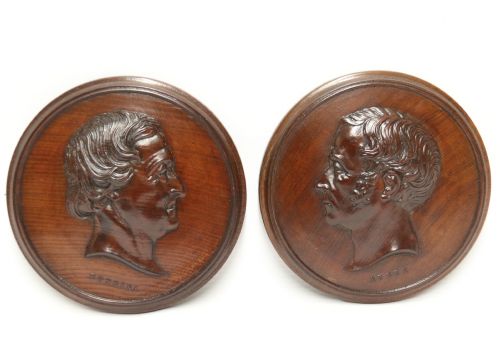


Antique Classical Wooden Busts
Antique classical wooden busts and related carvings bring the gravitas of antiquity into a room through carved timber, gilt, and polychrome.
Antique Classical Wooden Busts
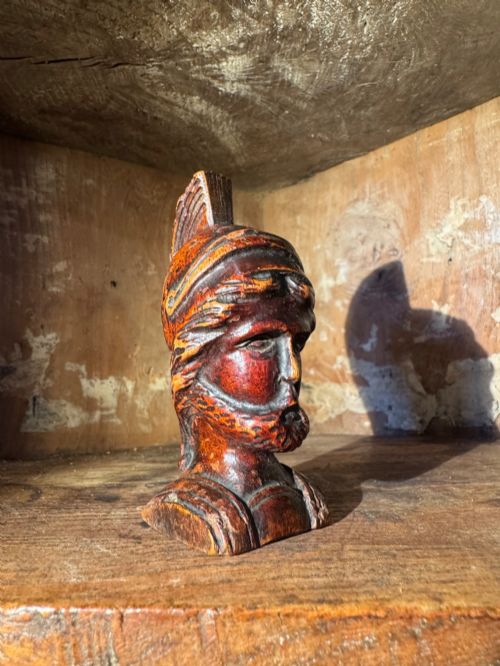
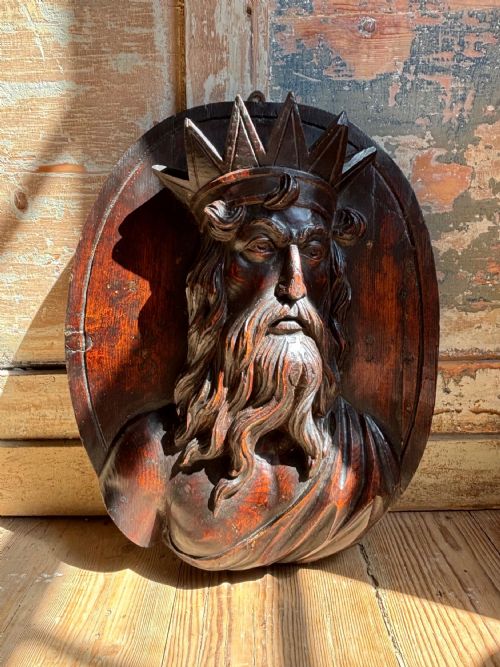
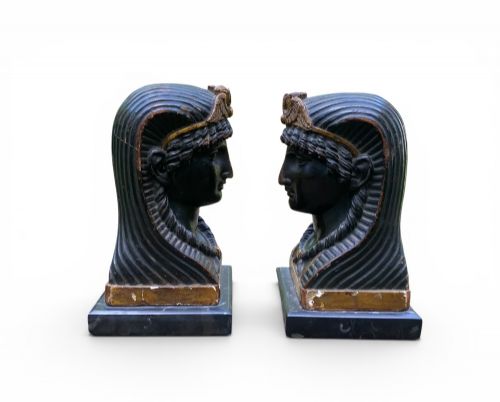
When you search for antique classical wooden busts, you encounter carved timber sculptures, wall plaques, and herms drawn from eighteenth and nineteenth-century classical traditions. The examples appearing here span periods from the eighteenth century through the Edwardian era, incorporating Regency and neoclassical styling alongside related display stands.
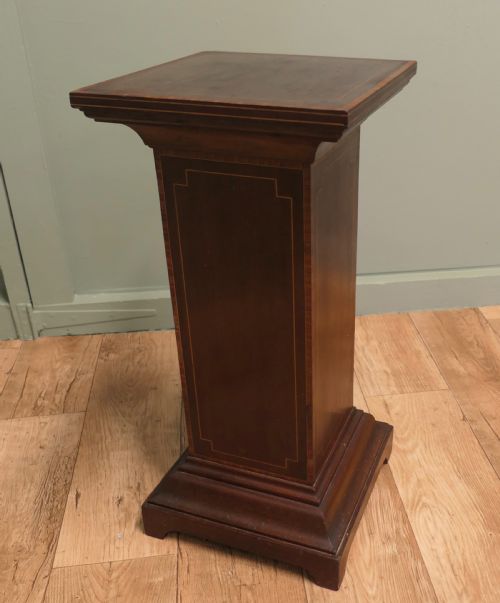
You are most likely to meet mahogany and polychrome wood carvings alongside architectural pedestals and plinths designed to display them. These pieces reflect broader European neoclassical revivals, including English, Russian, and Italian workshops.
Materials and construction methods
Cabinetmakers and sculptors utilised hand-carving techniques to produce figurative works, herms, and decorative wall plaques. Bases and display columns were turned or constructed from timber, sometimes finished to simulate marble.
Listings feature eighteenth and nineteenth-century pieces alongside Edwardian items, utilising materials such as mahogany, oak, gilt, and polychrome.
Markers of quality
The sophistication of the carving dictates the distinction between standard production and exceptional work, visible in the handling of facial expression, hair, and classical drapery. Finer sculptures display precise anatomical proportions and crisp detail in the wood grain.
Surface preservation also separates pieces, with original polychrome, stain, or gilt finishes retaining greater visual impact than later interventions. The selection of timber, such as well-figured mahogany or chestnut, further distinguishes finer examples.
Thomas Hope
The Antique Classical Wooden Busts Glossary
- Herm
- A carved bust or head atop a tapering pillar, originating in ancient Greece as boundary markers and revived during the neoclassical period.
- Polychrome
- Painted in several colours, a technique applied to wood carvings to simulate life or enhance decorative richness.
- Neoclassical
- A style of art and architecture inspired by the classical art and culture of ancient Greece and Rome, prominent in the eighteenth and nineteenth centuries.
- Plinth
- A heavy base supporting a statue, vase, or bust, frequently constructed from timber in forms matching these sculptures.
Antique Classical Wooden Busts: Frequently Asked Questions
How were these wooden carvings used?
Historical interiors utilised these busts and plaques as decorative focal points, often elevated on matching pedestals, columns, or display stands.
They served both as standalone works of art and as architectural elements within libraries, halls, and formal reception rooms.
How do I style them at home?
Display these sculptures on sturdy pedestals, console tables, or mantels where their carved detail and timber tones can be appreciated from multiple angles.
Pairing them with architectural fragments or placing them against neutral walls helps highlight the depth of the wood grain and original surface finishes.
How can I tell periods apart?
Eighteenth-century examples often display rich polychrome or deep mahogany carving with Italian or Russian stylistic influences. Nineteenth-century and Regency pieces frequently reflect stricter neoclassical proportions, sometimes accompanied by simulated marble finishes.