




Antique City Landscape
An antique city landscape captures urban life and architecture from past centuries, offering a window into historical streets and ports through the eyes of period artists.
Antique City Landscape
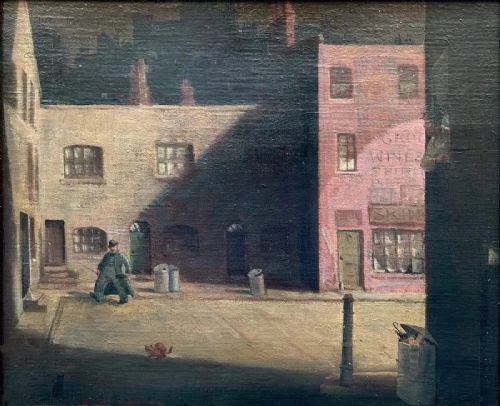
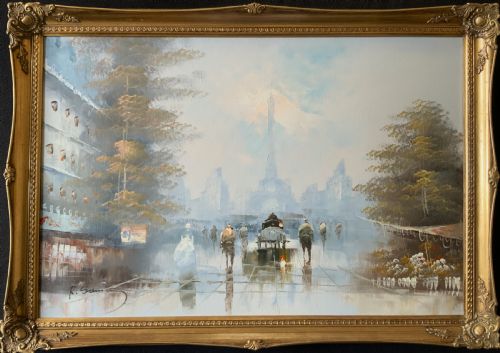
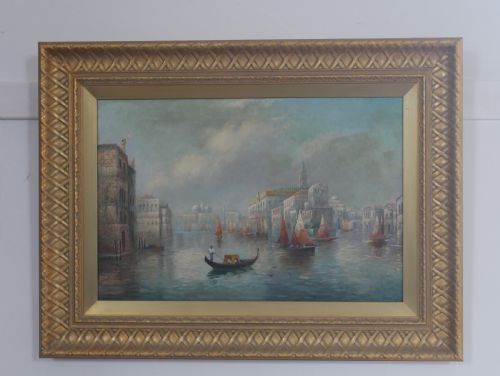
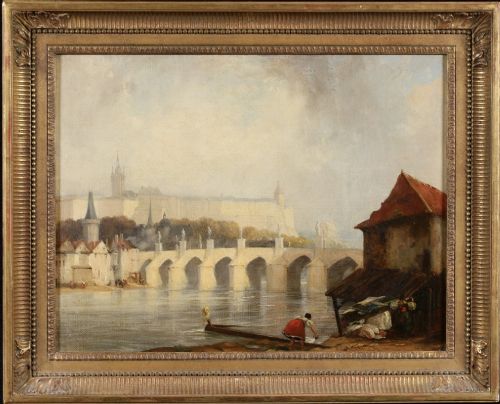
When you search for an antique city landscape, you encounter urban views, bustling markets, and architectural scenes captured across various past eras. These works range from tightly focused street corners to sweeping panoramas of historic European capitals and regional towns.
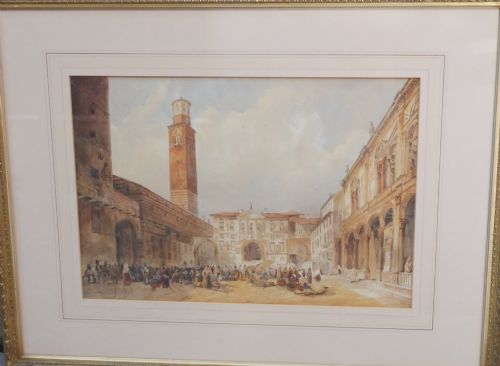
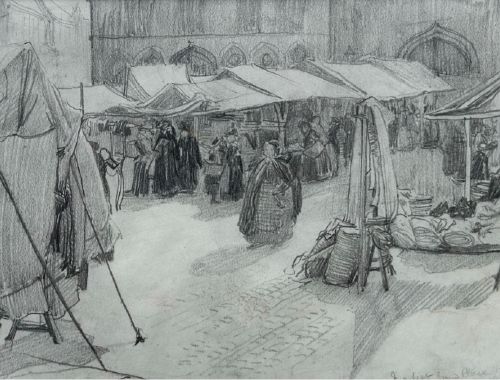
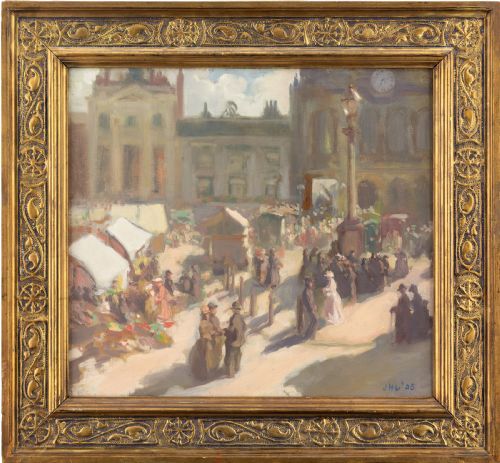
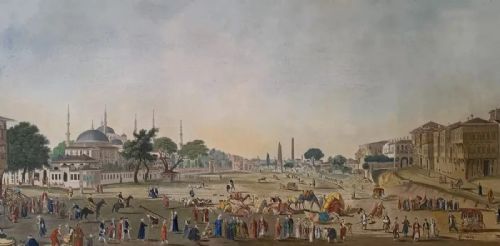
The pieces on this page are predominantly oil paintings and watercolours, alongside occasional pencil drawings. They span the nineteenth and early twentieth centuries, capturing recognisable locations from London and Venice to smaller provincial centres.
Materials and technique
The works rely upon traditional mediums such as oil paint on canvas and watercolour on paper, framed by wooden surrounds often finished with gilt. Artists utilised these materials to render the atmospheric light of city streets, canals, and riverbanks.
Techniques vary from detailed architectural draughtsmanship in pencil and ink to expressive brushwork in oil and fluid washes of watercolour. Works are executed either as original compositions observed on the spot or as historical interpretations created in the studio.
Antique City Landscape Retail Price Guide 2026
Typical asking prices for city landscape among the pieces listed under this phrase on Sellingantiques today, from the lower quarter to the upper quarter. They describe what is for sale here now, not the wider market.
Markers of distinction
Quality in an antique city landscape is determined by the artist's handling of perspective, spatial depth, and urban atmosphere. Stronger works demonstrate a confident command of light and shadow, bringing stone buildings and crowded thoroughfares to life with conviction.
The distinction between standard examples and finer pieces often lies in the precision of architectural detail combined with lively staffage, where human figures animate the urban setting rather than appearing stiff or formulaic.
Henry Percy Huggill·Francisco Sancha·Anton Ignaz Melling·John Hodgson Lobley·William Manners·Charles James Lauder·Hein Hoppmann·Eduard Leon Cortes·Walter Meegan·Alfred Pollentine·Noel Harry Leaver·John Cawthorn·GH Thompson·Jane Vivian·Fred Lawson·Frances E Nesbitt·Tom Dudley·Matthew Hale·Walter Duncan·William Marlow
The Antique City Landscape Glossary
- Watercolour
- A painting method where fine pigment is suspended in a water-based, translucent solution. It is typically applied to heavy paper to create luminous washes of tone and colour.
- Oil on canvas
- A traditional medium utilising pigments bound in drying oil applied to a stretched cloth support. This technique allows for rich texture, deep layering, and subtle blending.
- Townscape
- A visual representation of urban scenery, buildings, and streets. It functions similarly to a landscape but focuses on human-made civic environments.
- Gilt wood
- Timber frames or decorative elements coated with a thin layer of gold leaf or metallic powder. This finish adds reflective warmth and visual framing to works of art.
Antique City Landscape: Frequently Asked Questions
What periods do these pieces date from?
The listings span from the eighteenth century through the nineteenth century and into the early twentieth century. Many works originate from the Victorian and Edwardian eras.
Dates are established through stylistic evidence, signatures, and historical subject matter recorded by the artists of those periods.
How were these urban scenes originally used?
Many of these artworks were created as independent cabinet pictures intended for domestic display by collectors of urban views. Others served as topographical records for travellers undertaking European tours.
Artists often produced them to capture the changing character of rapidly modernising cities, satisfying a contemporary appetite for topographical accuracy and romantic atmosphere.
How do I live with an antique painting?
These works suit traditional and modern interiors alike, provided they are hung away from direct sunlight and excessive moisture. Proper framing helps protect delicate watercolours on paper and oil canvases from environmental changes.
Allowing sufficient wall space around each piece lets the urban composition command attention without visual competition from surrounding furnishings.
How can I tell watercolours apart from oils?
Watercolours are painted on paper, often displayed behind glass to protect the delicate medium from dust and humidity. They exhibit a translucent quality where the white of the paper shines through the pigment.
Oil paintings utilise canvas or wood panels with a textured, opaque surface that frequently catches the light differently. Oils do not require glass protection and display visible brush marks or impasto texture.