




Antique Church Sign
When you search for an antique church sign, you discover functional timber notices and painted boards that once directed congregations or displayed hymns.
Antique Church Sign
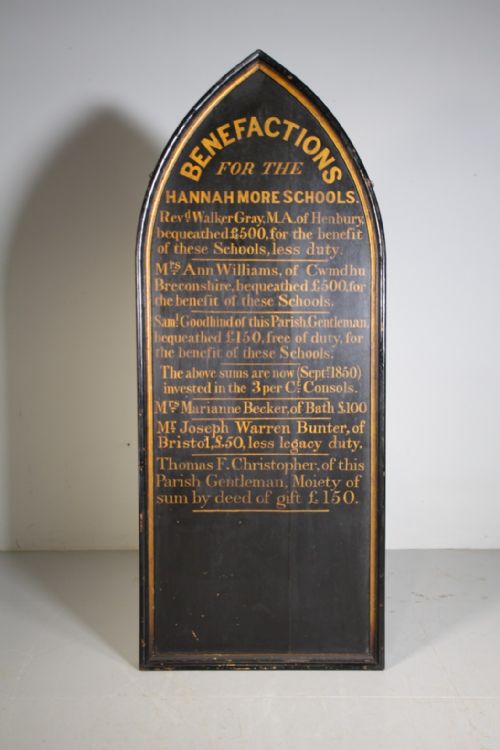
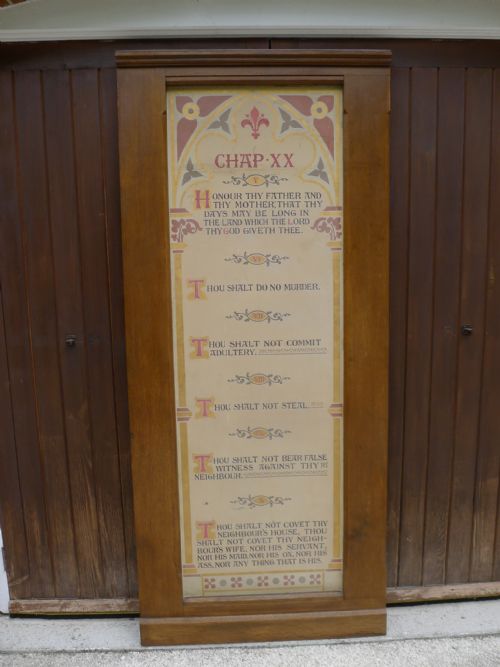
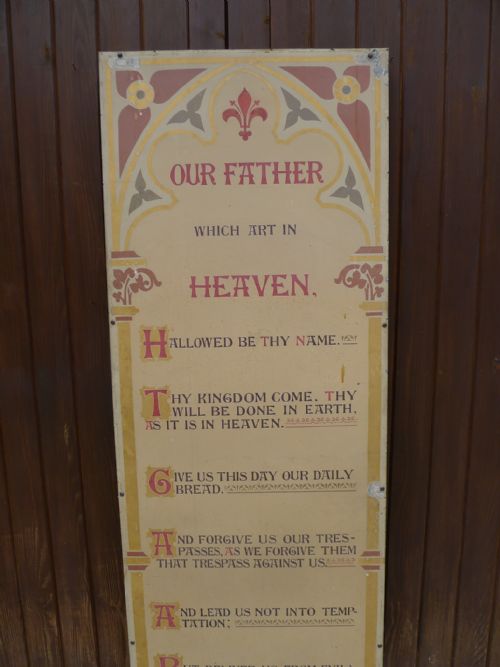
An antique church sign typically encompasses large painted timber wall panels, hymn boards with card numbers, and illuminated religious texts sourced from tin tabernacles or parish buildings. These items originate predominantly from the nineteenth and early twentieth centuries, spanning Victorian and Edwardian periods.
The selection also includes related ecclesiastical wall decor, such as display signs and hymn boards complete with boxes of numbers. Pieces emerge from English country traditions and Victorian folk art contexts, often reflecting Gothic revival styles.
How they were made
These items rely on traditional carpentry and sign-writing materials, utilising sturdy woods like pine, oak, and general timber as a base. Makers applied direct paint lettering and decorative details, sometimes incorporating paper or card elements for changeable hymn numbers.
Illuminated texts and wall panels often feature glass protection or metal fixings for wall mounting, reflecting the practical requirements of ecclesiastical interiors.
Antique Church Sign Retail Price Guide 2026
Typical asking prices for church sign among the pieces listed under this phrase on Sellingantiques today, from the lower quarter to the upper quarter. They describe what is for sale here now, not the wider market.
The listings show painted wood, pine, and oak as the primary materials utilised for wall panels and signs.
What varies in quality
Quality in these signs rests on the execution of the original painted lettering and the integrity of the wooden substrate. Pieces featuring robust joinery in oak or pine demonstrate greater durability than lighter, makeshift constructions.
The visual impact depends on the clarity of the typography and the preservation of the original painted surfaces rather than applied ornamentation.
Rouillard Angers·Hardman and Co.
The Antique Church Sign Glossary
- Tin tabernacle
- A prefabricated corrugated iron church building popular in the Victorian era, which frequently housed illuminated religious texts and painted wall signs.
- Hymn board
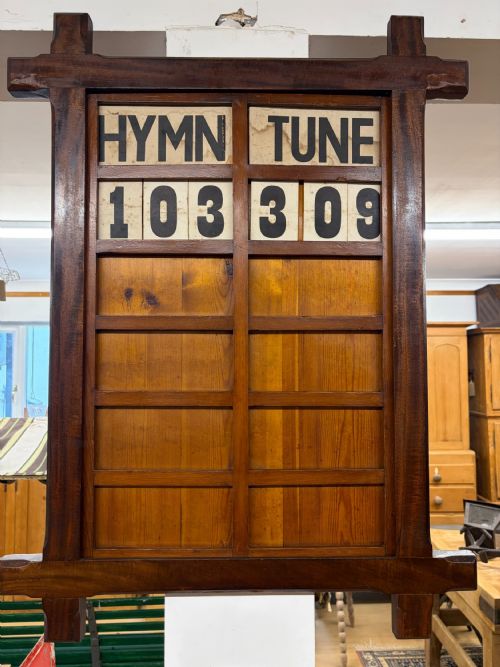
- A wooden board used in churches to display the numbers of the hymns to be sung during a service, often supplied with slots for sliding card numbers.
- Gothic Revival
- An architectural and decorative style drawing inspiration from medieval Gothic forms, commonly seen in nineteenth-century ecclesiastical design.
- Folk art
- Utilitarian objects and decorative items created by self-taught or traditional makers, encompassing vernacular painted signs and country woodwork.
Antique Church Sign: Frequently Asked Questions
What is an antique church sign?
An antique church sign is a painted wooden board, wall panel, or hymn board originating from nineteenth or early twentieth-century ecclesiastical settings. These pieces served practical functions within parishes, such as displaying hymn numbers or religious texts.
They reflect vernacular trades and Victorian Gothic revival styles, utilising materials like pine, oak, and paint. Today they function as striking decorative wall decor for domestic interiors.
How were hymn boards used?
Hymn boards were mounted on the walls of churches to inform the congregation which hymns had been selected for the service. Sexton or parish officials slid numbered cards into designated slots on the board each week.
These boards often survive alongside boxes of original card numbers, preserving their complete functional utility from the Victorian and Edwardian periods.
What is a tin tabernacle?
A tin tabernacle is a corrugated iron temporary church building erected widely across Britain during the late nineteenth century. These structures often contained wall-mounted illuminated religious texts and painted timber signage.
Items salvaged from tin tabernacles carry a distinct industrial and ecclesiastical history unique to that period of rapid chapel building.
How do I date a church sign?
Dating relies upon examining the timber construction, the style of the painted lettering, and the materials used in the board. Nineteenth-century examples often feature hand-mixed paint on heavy pine or oak, while Edwardian pieces may display different typographic proportions.
Associated hardware, such as wrought iron brackets or early fixings, also provides reliable clues to the age of the piece.