





Antique Christian Fine Art
Antique christian fine art comprises centuries of devotional paintings and prints depicting sacred narratives, most frequently encountered as oil on canvas and paper.
Antique Christian Fine Art
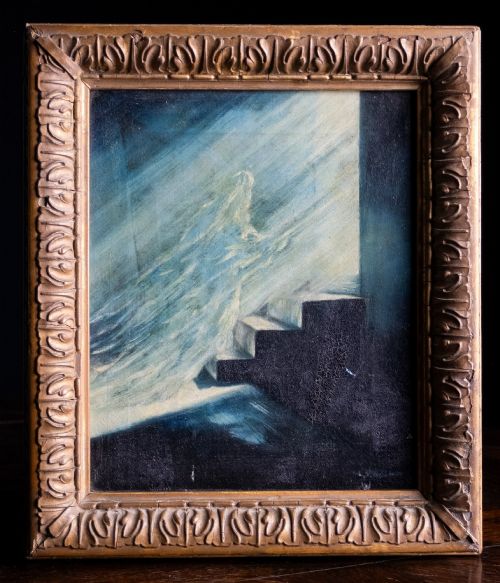
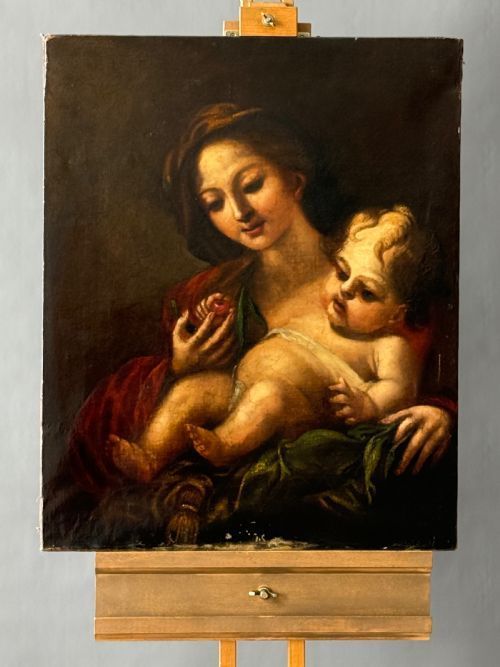
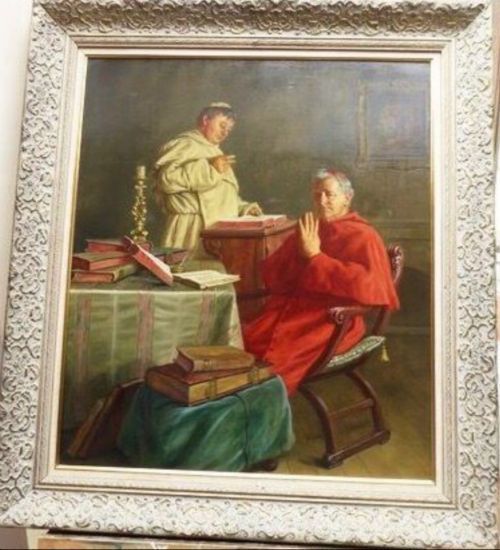
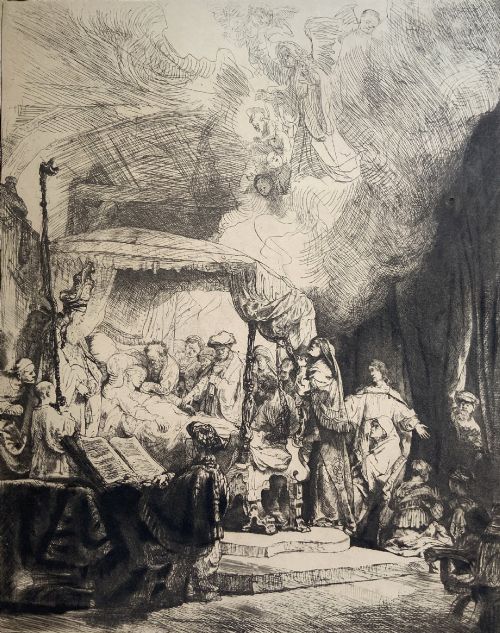
When you search for antique christian fine art, you encounter centuries of religious subject matter expressed through devotional painting and printmaking. These works range from early seventeenth-century Spanish and Italian compositions to nineteenth-century narrative scenes.
The most common versions met on this page are oil paintings on canvas, alongside paper prints. Subjects focus on biblical narratives, sacred figures, and devotional imagery originating from various European schools.
The materials and styles span multiple periods, including the Dutch Golden Age, Italian Baroque, and Victorian eras. Each piece reflects the religious iconography and artistic conventions of its specific century of origin.
What separates the finest examples
Quality varies according to the execution of the painting and the complexity of the narrative scene. Works attributed to specific schools or known artists demonstrate superior draftsmanship and handling of the medium.
The preservation of the oil paint, canvas support, or paper sheet dictates the visual impact of the piece. Superior examples retain their original surface depth and tonal contrast across the figures and background.
Antique Christian Fine Art Retail Price Guide 2026
Typical asking prices for christian fine art among the pieces listed under this phrase on Sellingantiques today, from the lower quarter to the upper quarter. They describe what is for sale here now, not the wider market.
Dogs and pet birds quietly observe sacred historical events from the margins of European devotional portraits.
Christian Lindner·Raffaello Sanzio·Frederick Christian Lund·Reynard Le Vieux
The Antique Christian Fine Art Glossary
- Oil on Canvas
- Pigment mixed with a drying oil, applied to a woven fabric support stretched over a frame.
- Etching
- A printmaking method where lines are incised into a metal plate with acid before being inked and pressed onto paper.
- Baroque
- A European artistic style originating around the seventeenth century, characterised by dramatic lighting and emotional intensity.
- Devotional
- Art created specifically to inspire religious contemplation, prayer, or worship within domestic or ecclesiastical settings.
- Panel
- A rigid wooden flat surface used as a support for oil paintings before the widespread adoption of canvas.
Antique Christian Fine Art: Frequently Asked Questions
What periods do these artworks cover?
The listings encompass works originating from the seventeenth, eighteenth, and nineteenth centuries. This spans distinct stylistic movements such as Baroque, Rococo, and Victorian realism.
Specific dates within the evidence include the year seventeen-fifty and the early seventeen-hundreds. European schools from Italy, Spain, Denmark, and Central Europe are represented.
What subjects appear in the paintings?
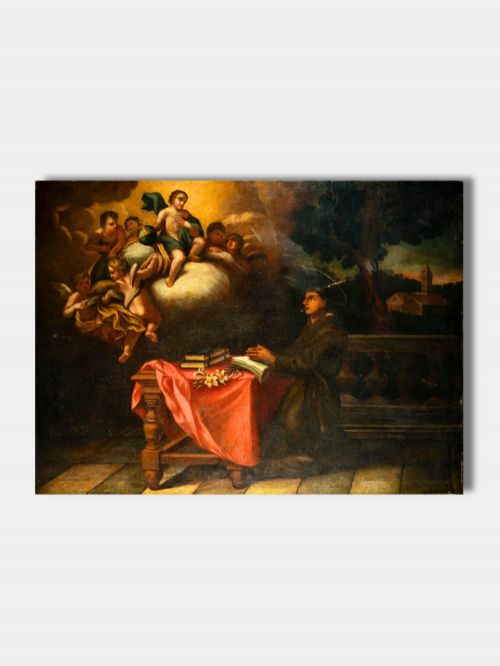
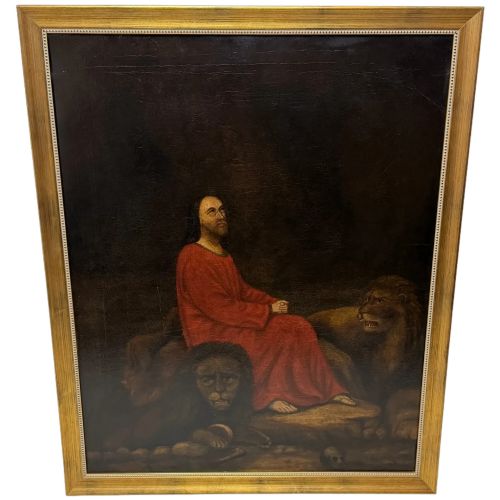
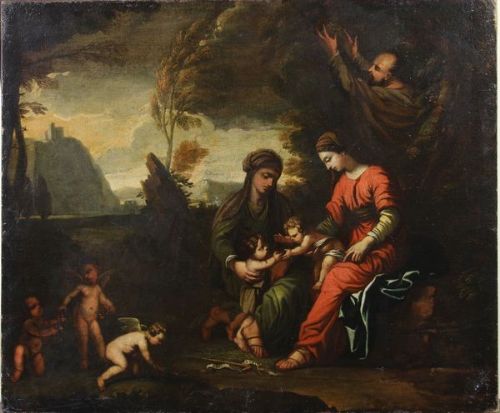
Subjects focus primarily on religious narratives and sacred figures from biblical texts. Common depictions include the Madonna and Child, Saint Anthony of Padua, and Daniel in the lions' den.
Other compositions feature the Lamentation of Christ and portraiture of religious or contemporary figures. These reflect the devotional function of art across different European traditions.
What materials were used?
Painters utilised oil paint applied to canvas, wood panels, or paper supports. Ink and paper form the basis for printed works such as period etchings.
Leaf gilding also appears as a material element in certain pieces, enhancing specific details within the decorative scheme.
How do I display these works?
These paintings and prints require placement away from direct sunlight to protect fragile oil pigments and paper surfaces. Stable indoor humidity levels help preserve wooden panels and canvas supports.
Framing should suit the period of the artwork while ensuring proper ventilation behind the canvas or print. Proper placement allows the devotional narrative to remain the focal point of the interior.