
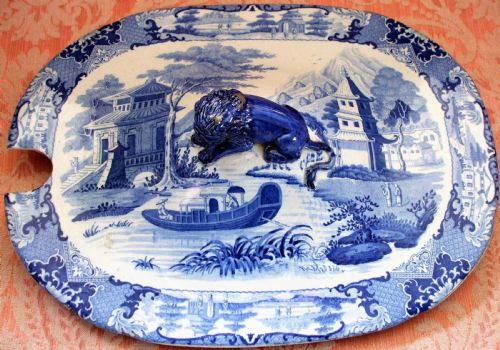


Antique Chinoiserie Tureen
An antique chinoiserie tureen brings fantastical Eastern scenery and vibrant motifs to the table, combining functional serving vessels with decorative ambition.
Antique Chinoiserie Tureen
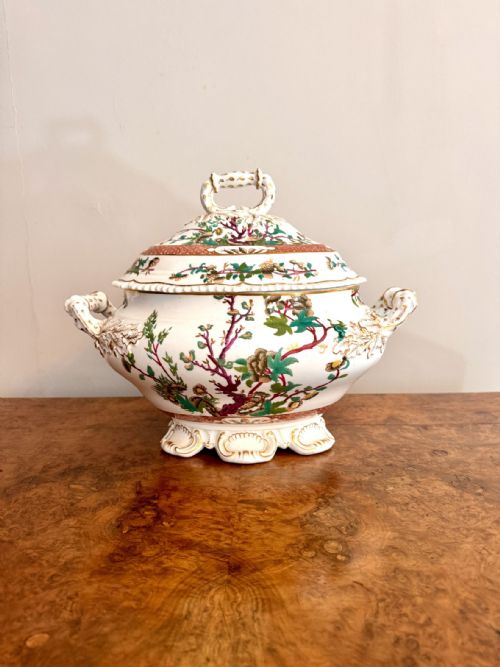
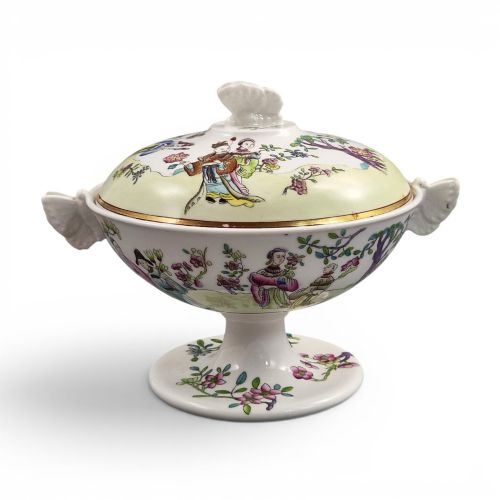
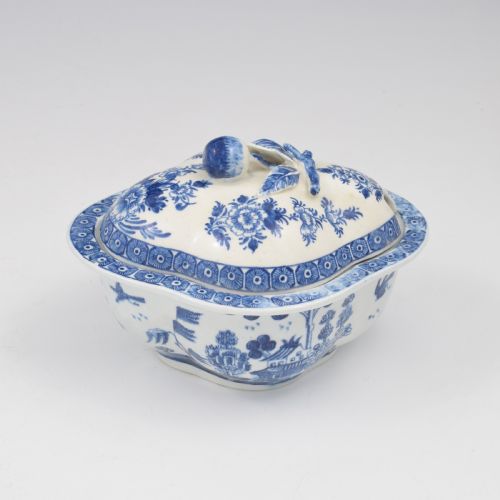
When you search for an antique chinoiserie tureen, you are looking at substantial serving vessels decorated with European interpretations of East Asian landscapes, figures, and botanical motifs. These pieces serve as tureens, sauce tureens, and covered pedestal bowls designed for formal dining.
The versions you are most likely to meet on this page span the eighteenth and nineteenth centuries, originating from English potteries and porcelain manufacturers. They arrive in forms such as quatrefoil vessels, large soup tureens with lids, and decorative centerpiece bowls.
Makers utilised earthenware, ironstone ceramic, and porcelain as the primary foundations for these painted and printed scenes. Styles shift through Georgian, Regency, and Victorian periods, reflecting changing tastes in domestic display.
Materials and methods
Potters shaped earthenware, heavy ironstone ceramic, and refined porcelain into complex vessel bodies, often incorporating pedestal bases or intricate handles. Ironstone provided a durable body capable of supporting large soup tureens and extensive dinner service pieces.
Decoration relied on blue and white transfer printing, hand-painted enamels, and gold leaf detailing. Manufacturers applied glazes over intricate chinoiserie patterns such as the Canton River Scene, Mandarin designs, and the grasshopper pattern.
Keep watch for the elusive grasshopper pattern hiding amongst the chinoiserie foliage on nineteenth-century ironstone plates and tureens.
Distinctions in quality
Quality depends on the crispness of the transfer print or the precision of the hand-painted enamel work, which defines the clarity of the chinoiserie narrative. Superior pieces display deep, vibrant cobalt blues or rich polychrome enamel palettes with carefully applied gold leaf.
The refinement of the ceramic body also separates standard production from exceptional work, moving from thick earthenware to translucent porcelain or dense, resonant ironstone china. Sculptural elements like butterfly handles or shaped lids demonstrate the modeller's skill.
Robert Hamilton·Wedgwood·Copeland and Garrett·Derby Porcelain·Mason's Ironstone
The Antique Chinoiserie Tureen Glossary
- Chinoiserie
- European artistic style reflecting Chinese and East Asian motifs. This aesthetic dominated decorative arts through painted scenes and printed patterns.
- Ironstone Ceramic
- Patented heavy earthenware body developed in the nineteenth century. It offered remarkable durability for large dinnerware and soup tureens.
- Quatrefoil
- Four-lobed shape common in ceramic vessel design. This outline appears frequently in eighteenth-century sauce tureens and bowls.
- Transfer Printing
- Technique of applying designs to ceramics using engraved copper plates and tissue paper. It allowed complex pictorial scenes to be replicated across tableware.
- Pedestal Bowl
- Elevated bowl supported on a central foot or base. These pieces often feature fitted covers and decorative handles.
Antique Chinoiserie Tureen: Frequently Asked Questions
What is an antique chinoiserie tureen?
An antique chinoiserie tureen is a covered ceramic serving vessel decorated with European adaptations of East Asian landscapes and figures. These pieces were produced by English potteries during the Georgian, Regency, and Victorian periods.
They function primarily as soup tureens, sauce tureens, or decorative pedestal bowls. Their intricate patterns feature scenes like the Canton River, Mandarin figures, and exotic botanical motifs.
How were these tureens used?
These vessels held soups, sauces, and stews at formal dining tables, keeping contents warm beneath fitted ceramic covers. Large examples sat centrally on the dining table or sideboard during meals.
Smaller sauce tureens accompanied larger dinner service pieces to serve individual table settings. Over time, many transitioned from functional dining items to decorative display pieces.
How do I identify a Georgian tureen?
Georgian tureens generally date from the eighteenth century into the early nineteenth century, exhibiting refined porcelain or earthenware bodies. They often display hand-painted enamel decoration or early transfer printed scenes.
Stylistic cues include quatrefoil shapes, classical pedestal forms, and delicate handles. Maker marks from this era often point to early porcelain works like Derby.
What is ironstone ceramic?
Ironstone is a dense, durable type of earthenware patented in the nineteenth century. It provided a strong alternative to porcelain for heavy items like large soup tureens.
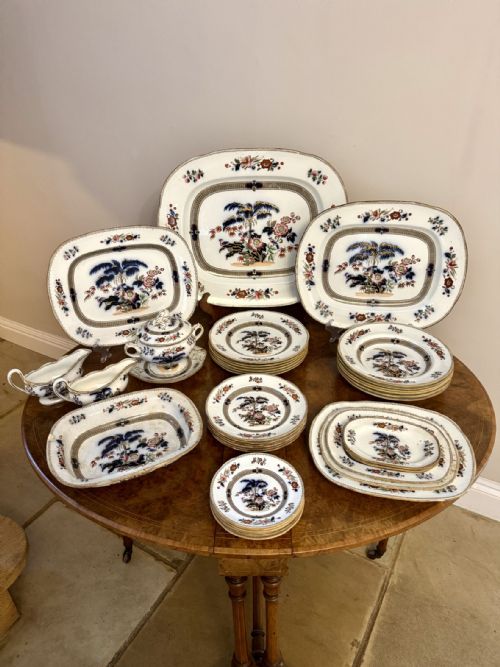
Manufacturers utilised ironstone to produce extensive dinner services decorated with vibrant chinoiserie patterns. The material accepted blue and white transfer prints and polychrome enamels exceptionally well.