


Antique Chinese Glass
Antique chinese glass encompasses vessels, mirrors and display pieces shaped by centuries of craftsmanship, offering collectors tactile pieces of historical artistry.
Antique Chinese Glass
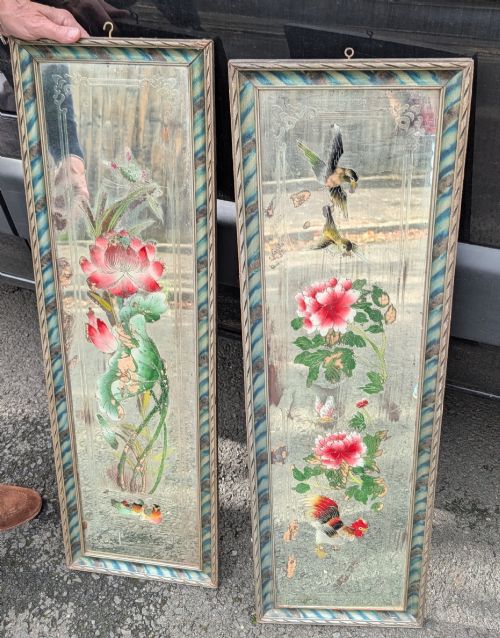
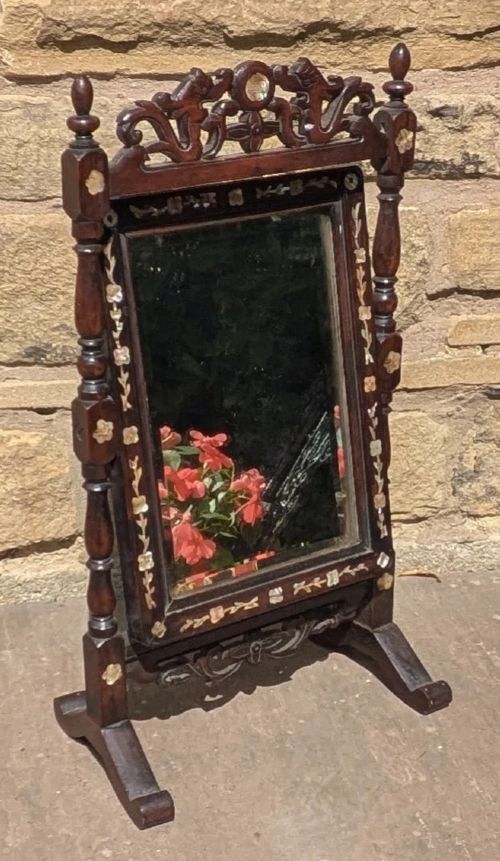
Antique chinese glass primarily appears in delicate forms such as snuff bottles, reverse-painted panels and mirrored pieces spanning the eighteenth to twentieth centuries. These objects range from small handheld containers to larger decorative furnishings incorporating glass alongside wood and metal frames.
Collectors encounter items bearing nineteenth-century marks as well as twentieth-century interpretations influenced by traditional Qing aesthetics. The selection reflects both domestic scholarly pursuits and pieces created for international export markets.
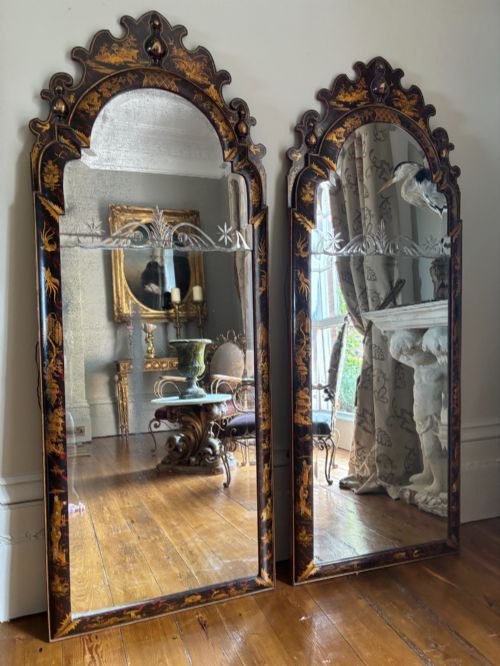
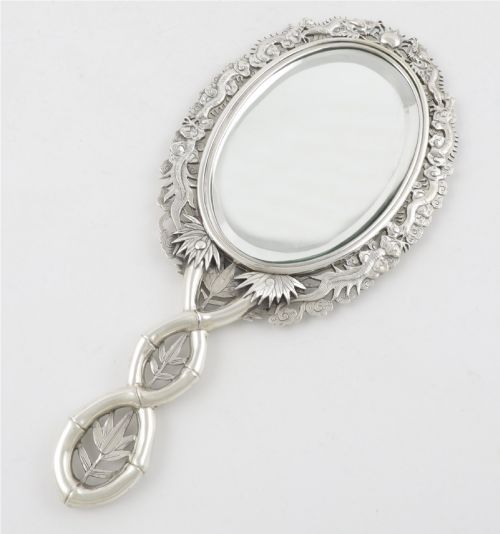
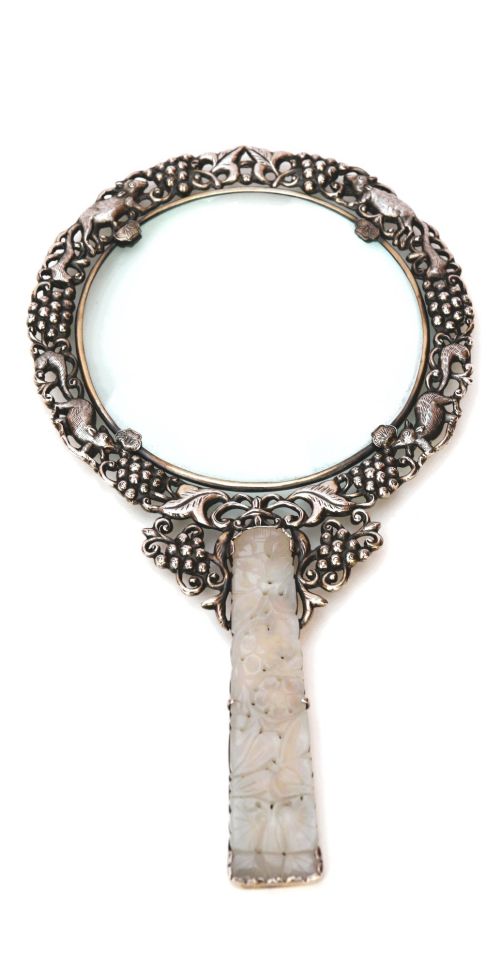
The category extends beyond standalone vessels to encompass mirrors and display items where glass serves as a primary medium for painting or framing. Each piece demonstrates the integration of glasswork with broader decorative arts traditions.
Materials and construction
Glass production combined blowing, moulding and overlay techniques, often utilising Peking glass or enameled white glass surfaces. Artisans manipulated opacity, colour and layer depth to achieve nuanced visual effects on small vessels and decorative objects.
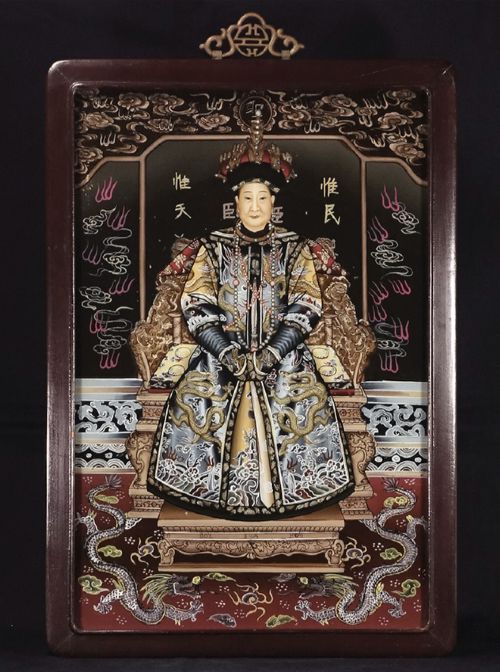
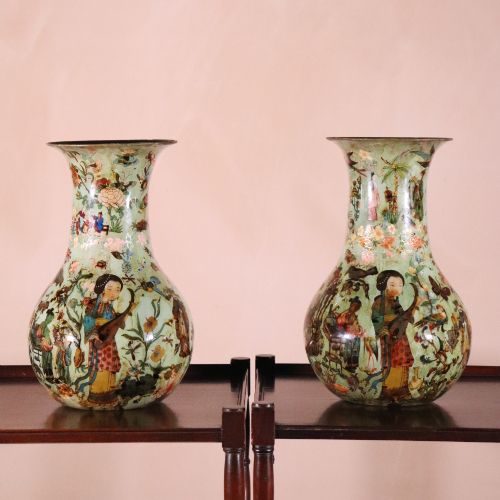
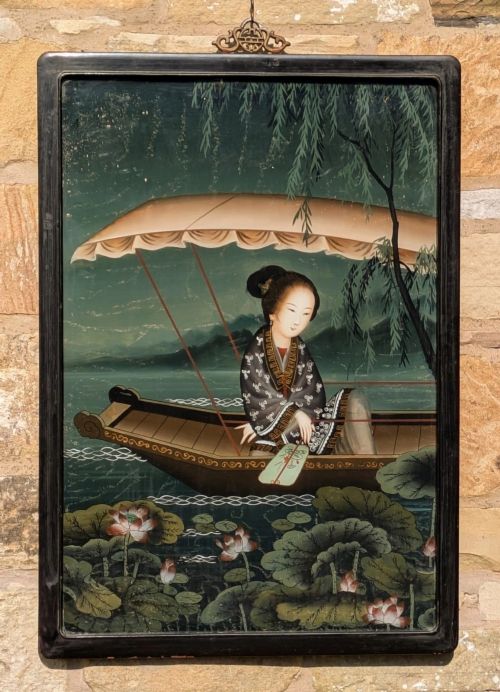
Many items incorporate reverse painting directly onto glass panels, requiring meticulous brushwork applied in reverse order to create finished portraits and scenes. Frames and related mountings frequently feature carved hardwoods, brass and inlaid mother-of-pearl.
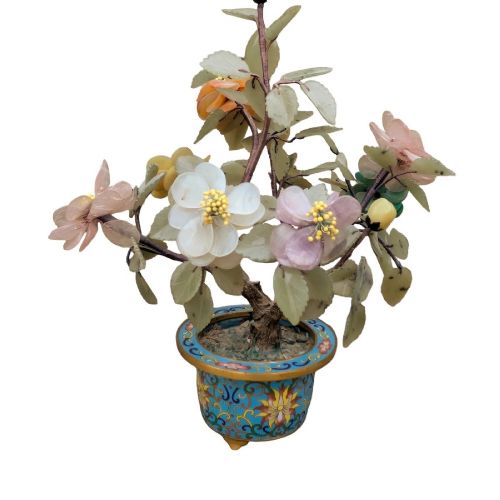
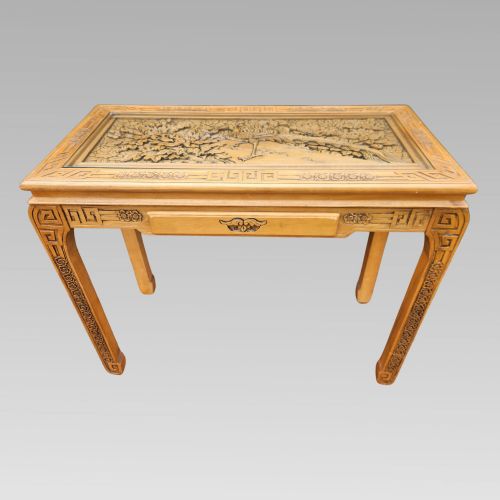
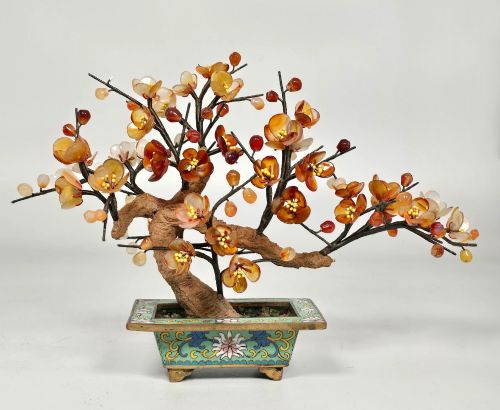
Complex pieces integrate glass elements with cloisonne, porcelain and carved hardstones, demonstrating multi-disciplinary workshop collaboration. Structural housings rely on traditional joinery methods appropriate for hardwood display cabinets and mirror frames.
Antique Chinese Glass Retail Price Guide 2026
Typical asking prices for chinese glass among the pieces listed under this phrase on Sellingantiques today, from the lower quarter to the upper quarter. They describe what is for sale here now, not the wider market.
Snuff bottle painters worked entirely through microscopic neck openings using bent bamboo brushes.
Variations in quality
Execution of internal painting or surface carving distinguishes exceptional items from standard workshop output. Mastery of overlay glass depends on precise contrast between layers, while reverse paintings rely on clarity of detail and preservation of pigment.
The integrity of secondary materials such as hardwood frames, jade mounts and cloisonne embellishments influences overall coherence. Finer examples maintain crisp carving lines and harmonious proportions between the glass components and their structural housings.
The Antique Chinese Glass Glossary
- Peking glass
- Chinese imperial glass produced during the Qing dynasty, known for its rich colours and layered overlay techniques. Artisans carved through these distinct coloured strata to create relief designs.
- Reverse painting on glass
- An artistic technique where images are painted directly onto the rear surface of a glass panel to be viewed from the front. This method requires meticulous planning as foreground details must be applied first.
- Snuff bottle
- A small container utilised to hold powdered tobacco during the Qing dynasty and later periods. These portable objects frequently display intricate interior painting or carved overlay glass.
- Cloisonne
- Enamelling technique where metal wires form raised compartments that are filled with coloured paste and fired. It often appears alongside glass and hardstone elements in decorative groupings.
- Chinoiserie
- European decorative style reflecting imaginative interpretations of Chinese artistic traditions. It manifests in Western furniture and mirror frames incorporating oriental motifs.
Antique Chinese Glass: Frequently Asked Questions
What is Peking glass?
Peking glass refers to Chinese imperial glass developed during the Qing dynasty. It is characterised by vibrant colours and multiple fused layers.
Craftsmen carved away portions of the outer layers to reveal contrasting background colours, producing detailed relief patterns on vessels.
How do you display antique glass?
These items require stable placement away from direct sunlight and temperature fluctuations to protect pigments and adhesives. Enclosed cabinets provide necessary physical security.
Proper lighting enhances the translucent qualities of overlaid glass and interior paintings without exposing fragile materials to excessive heat.
How are reverse paintings made?
Artists paint directly onto the reverse side of a glass sheet, viewing the final composition through the front pane. This demands precise sequencing.
Every foreground detail, signature and fine line must be rendered before background fills are applied to the glass.
What are snuff bottles used for?
Snuff bottles historically held powdered tobacco consumed by elite members of Qing society. They functioned as portable status symbols and personal accessories.
Today, collectors appreciate them as miniature canvases displaying exceptional glassblowing, carving and internal painting skills.