



Antique Chesterfield Furniture
Antique chesterfield furniture brings enduring character to a room, offering deep buttoned comfort and rich materials forged in the nineteenth century.
Antique Chesterfield Furniture
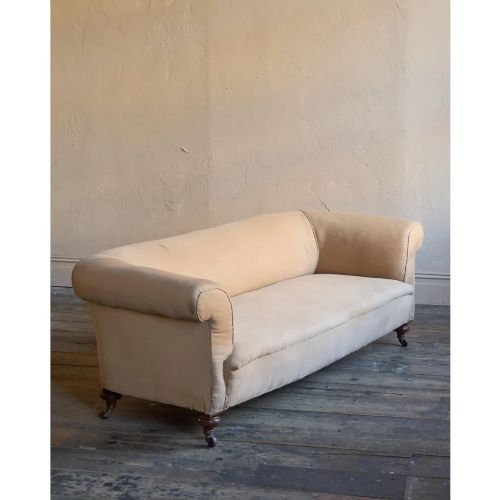
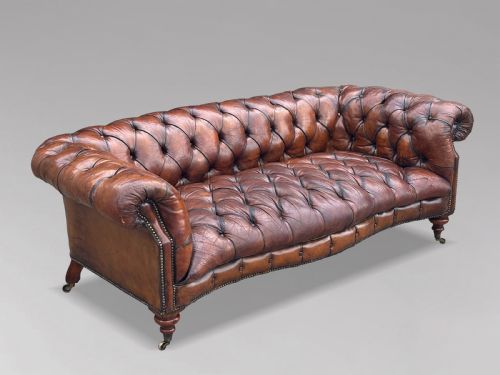
Antique chesterfield furniture comprises deep-buttoned seating originating from the Victorian period, most commonly encountered as sofas, settees, and occasionally chaise longues or matching suites.
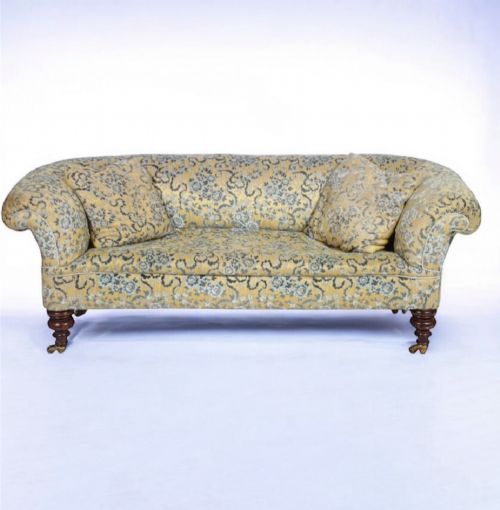
These pieces showcase nineteenth-century craftsmanship through substantial proportions, low backs, and rolled arms designed for formal drawing rooms and studies.
The selections available here range from standard nineteenth-century sofas to pieces attributed to notable makers, upholstered in materials like leather, damask, calico, and fabric.
How they were made
Makers built these pieces using solid hardwood frames, frequently incorporating mahogany and other timbers to support heavy sprung interiors and dense stuffing.
Upholstery techniques relied on thorough hand-buttoning across leather, fabric, or calico, often finished with brass detailing and hand-carved wooden elements such as lion motifs.
Antique Chesterfield Furniture Retail Price Guide 2026
Typical asking prices for chesterfield furniture among the pieces listed under this phrase on Sellingantiques today, from the lower quarter to the upper quarter. They describe what is for sale here now, not the wider market.
Several pieces feature hand-carved wooden lions, adding a touch of majestic nineteenth-century menagerie to the drawing room.
What varies in quality
Quality rests in the integrity of the original hardwood frame and the depth of the traditional buttoning, which dictates both the firmness and longevity of the seat.
The distinction between standard workshop production and high-end cabinetmakers lies in the finesse of hand-carved wooden details, premium leather treatments, and the retention of authentic nineteenth-century components.
Robert Strahan and Co·Hampton and Sons of Pall Mall·Jas Shoolbred
The Antique Chesterfield Furniture Glossary
- Chesterfield
- A traditional style of upholstered seating featuring rolled arms and deep buttoning across the back and seat. It remains a defining form of nineteenth-century British upholstery.
- Victorian
- A period spanning the reign of Queen Victoria, characterised here by robust nineteenth-century furniture construction and formal stylistic traits. Pieces from this era often utilise heavy mahogany or hardwood frames.
- Chaise longue
- An elongated upholstered chair designed for reclining, combining the backrest of a sofa with the seat of a daybed. Nineteenth-century examples often mirror the buttoned upholstery of standard chesterfields.
- Calico
- A plain-woven textile traditionally used as an inner lining or base layer beneath primary upholstery fabrics. In period seating, it provides structural support for the inner stuffing.
Antique Chesterfield Furniture: Frequently Asked Questions
What defines antique chesterfield furniture?
These pieces are identified by their nineteenth-century Victorian origins, featuring deep buttoning, low backs, and rolled arms. They represent a distinct era of British seating design.
They appear primarily as sofas and settees, though variants like chaise longues and complete suites also exist within the nineteenth-century period.
How were nineteenth century chesterfields used?
Victorian households utilised these substantial sofas in formal drawing rooms, libraries, and studies where comfortable, upright seating was required for daily entertaining.
The robust construction and deep sprung interiors allowed for extended sitting, making them central pieces of furniture in nineteenth-century domestic life.
How do I care for leather chesterfields?
Leather upholstery requires regular conditioning to maintain the suppleness of nineteenth-century hand-dyed hides. Keeping them away from direct heat sources prevents the material from drying out.
Gentle cleaning preserves the original finish, whether the leather is finished in traditional brown or British racing green.
How can I identify a Victorian piece?
Victorian pieces show their age through the construction of the hardwood frame, the density of the traditional buttoning, and materials like mahogany and brass.
Attribution to makers like Hampton and Sons or Jas Shoolbred provides further chronological certainty, tying the piece directly to nineteenth-century workshops.