


Antique Chest with Knobs
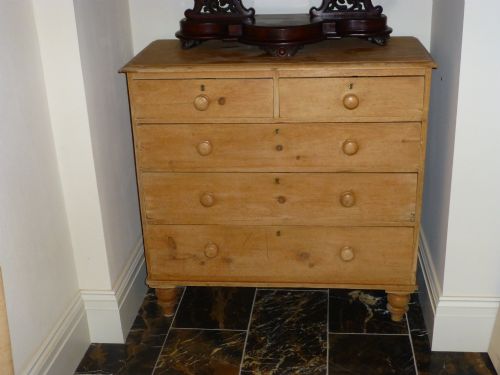
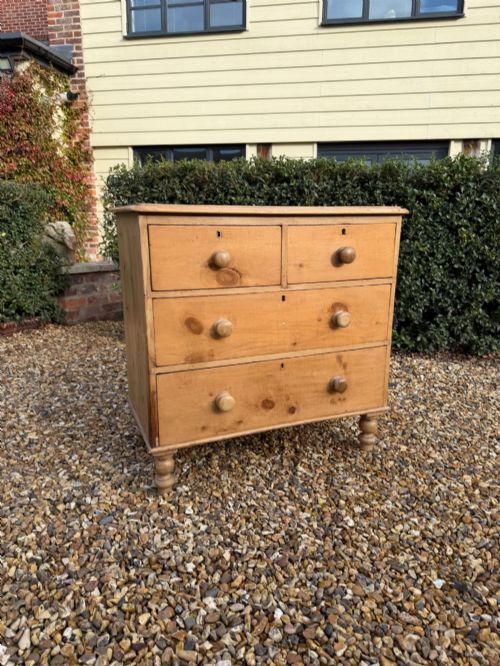
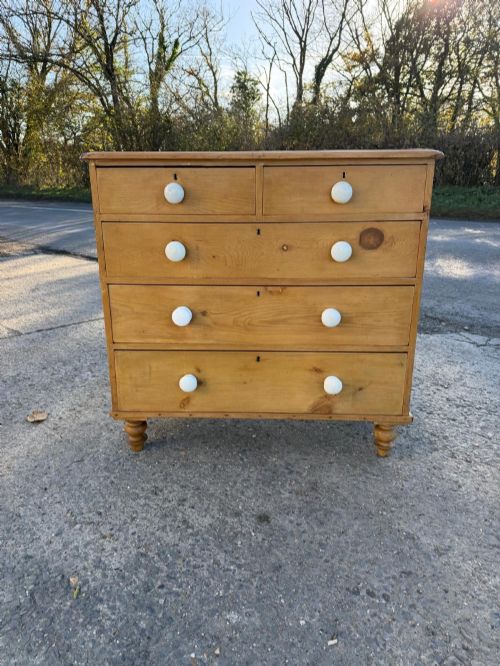
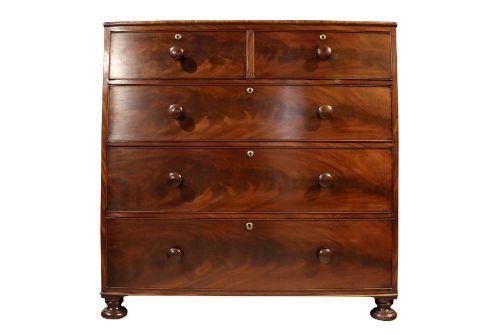
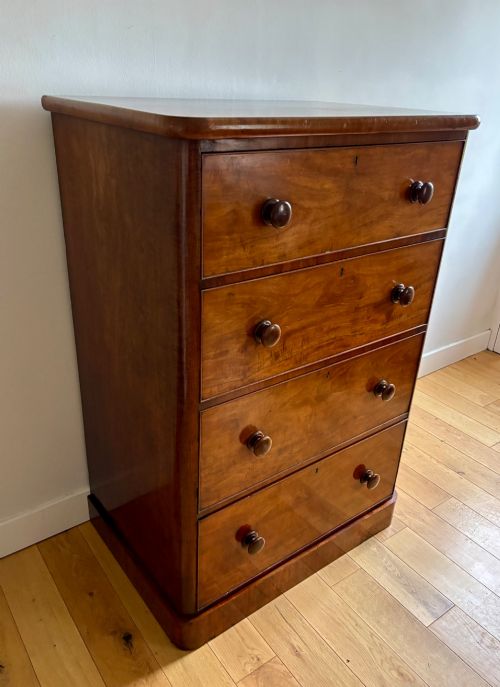
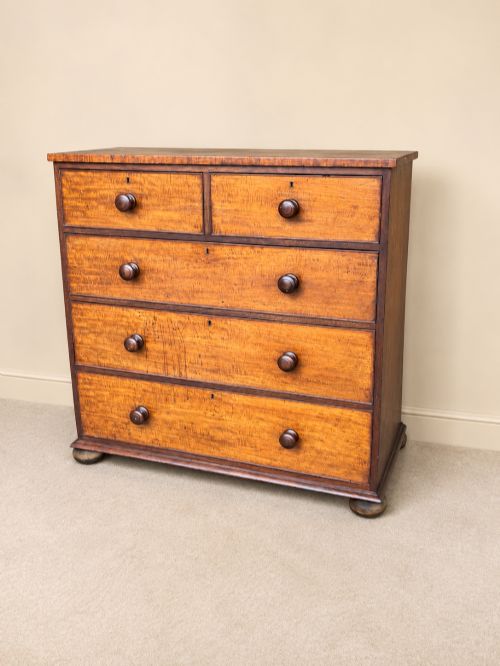
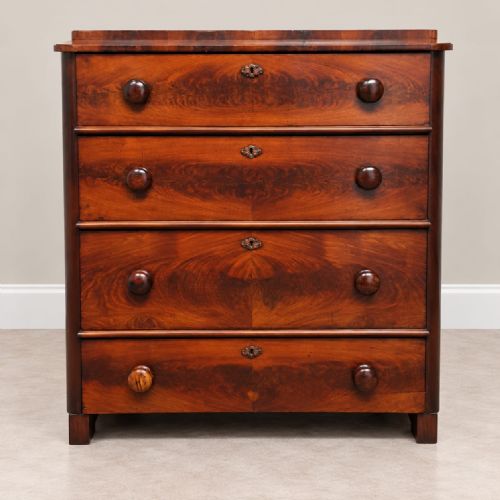
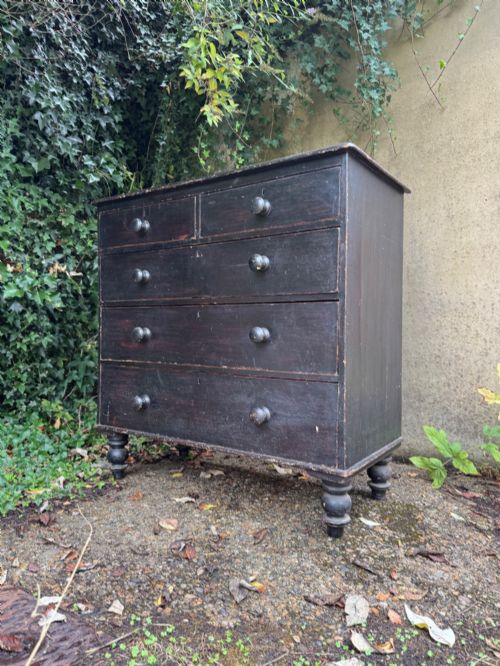
An antique chest with knobs is a sturdy and practical storage piece, most frequently found in pine or mahogany from the Victorian period.
Antique Chest with Knobs
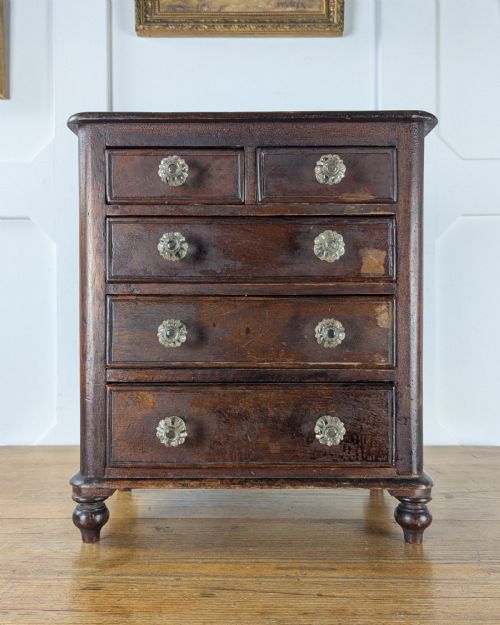
An antique chest with knobs provides functional storage through a configuration of drawers, ranging from compact miniature desks to larger kitchen dresser bases and standard chests. When searching for this phrase, a buyer encounters pieces primarily from the Victorian period, alongside examples spanning the eighteenth and nineteenth centuries up to nineteen-twenty.
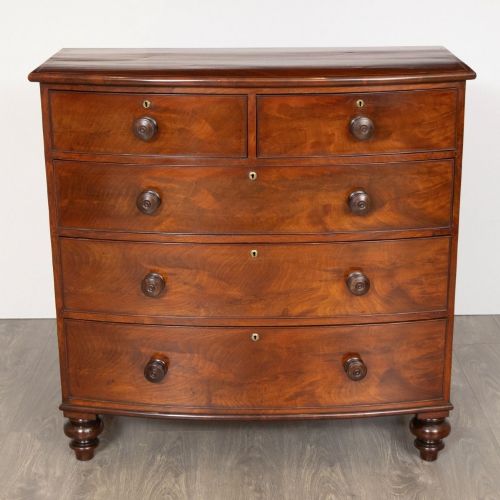
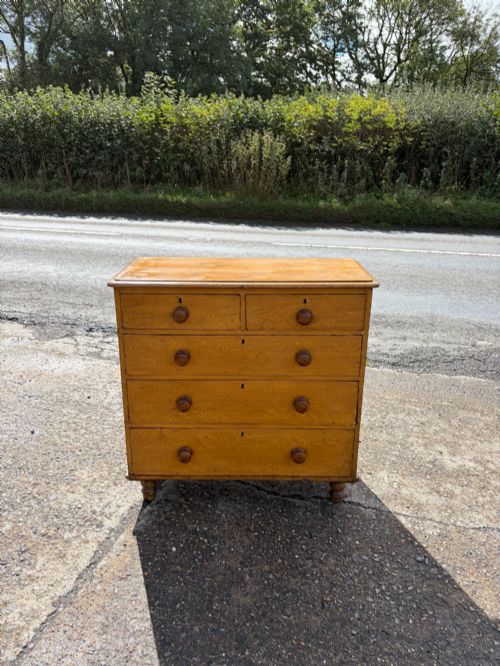
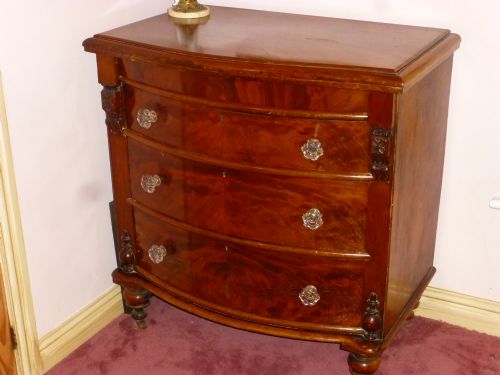
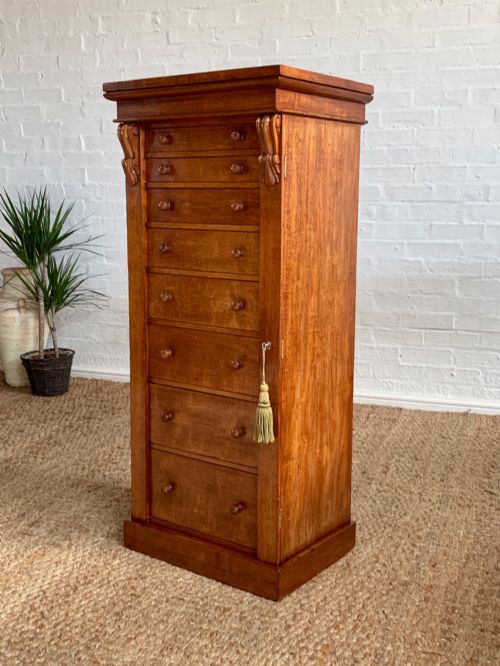
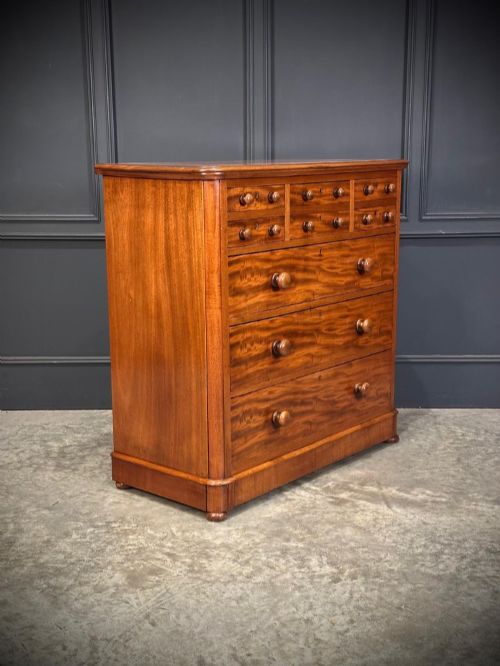
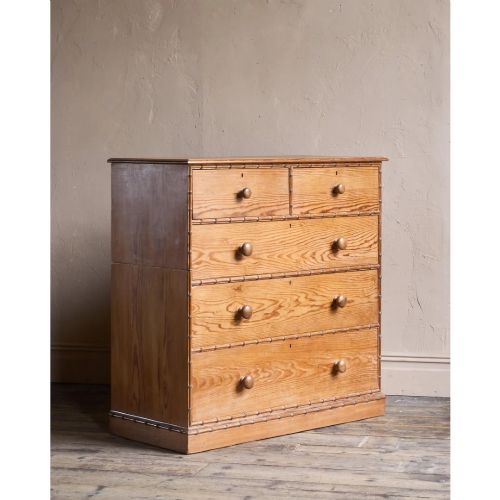
The version most commonly met on this page is constructed from pine, often retaining original graining, wax finishes, or turned wooden knobs and feet. Other forms include figured mahogany Wellington chests, bow front designs, and triple chemist drawers, demonstrating the wide variety of utilitarian and domestic uses these items served.
How they were made
Carpenters utilised solid pine and figured mahogany to build these storage pieces, frequently pairing the timber with turned wooden knobs for the drawer fronts. Selected examples incorporate glass or brass elements alongside the primary wood construction.
Surface treatments recorded in the evidence include original graining, painted wood, and wax finishes applied to kitchen dresser bases and chests of drawers. Structural variations range from standard two-over-three drawer layouts to galleries, secret drawers, and bow front profiles.
Antique Chest with Knobs Retail Price Guide 2026
Typical asking prices for chest with knobs among the pieces listed under this phrase on Sellingantiques today, from the lower quarter to the upper quarter. They describe what is for sale here now, not the wider market.
Secret drawers tucked into nineteenth-century mahogany chests offer a hidden compartment for your most private trinkets.
What varies in quality
The distinction between standard examples and superior pieces rests upon the retention of original surface treatments, such as graining or wax finishes, versus later refinishing. Intact original turned knobs and feet elevate a piece above one where these elements have been replaced.
Selection of timber also dictates overall character, with figured mahogany and solid teak offering a different visual weight compared to simpler painted or waxed pine. Construction details, such as the inclusion of secret drawers or galleries, separate utilitarian items from more ambitious cabinet work.
The Antique Chest with Knobs Glossary
- Wellington chest
- A tall, slender chest of drawers featuring a locking side flap that secures all the drawers at once. This form typically includes turned knobs on the drawer fronts.
- Bow front
- A convex, curved front profile found on certain nineteenth-century chests. This shape softens the rectangular geometry of standard storage furniture.
- Graining
- A decorative surface treatment intended to imitate the appearance of finer timber or enhance the natural figure of the wood. Original examples retain their early application.
- Gallery
- A raised wooden or metal rim running along the top surface of a chest. It prevents items placed on top from rolling off.
Antique Chest with Knobs: Frequently Asked Questions
What periods do these chests come from?
The pieces span the eighteenth century, the nineteenth century, the Victorian era, and into nineteen-twenty. Victorian examples form the largest group.
Pine and mahogany are the dominant materials across these differing periods of manufacture.
Are original knobs common?
Several pieces specifically retain their original turned wooden knobs. These details help confirm the overall integrity of the chest.
Replacement hardware occurs frequently on older utility furniture.
What wood types should I expect?
Pine is the most frequent material seen, often found with waxed or painted finishes. Mahogany and solid teak also appear in more formal designs.
Figured mahogany is particularly associated with taller Wellington chests.
How were smaller cabinets used?
Miniature desks and apothecary or chemist drawers served specialised organizational purposes in domestic and professional settings. Their smaller scale allowed placement on tables or counters.
Multiple small drawers provided secure storage for documents or ingredients.