





Antique Cherry Desk
An antique cherry desk offers rich warm timber and honest utility, providing a practical workspace grounded in centuries of cabinetmaking tradition.
Antique Cherry Desk
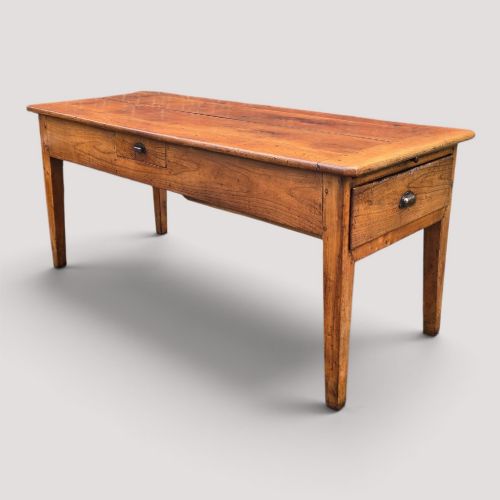
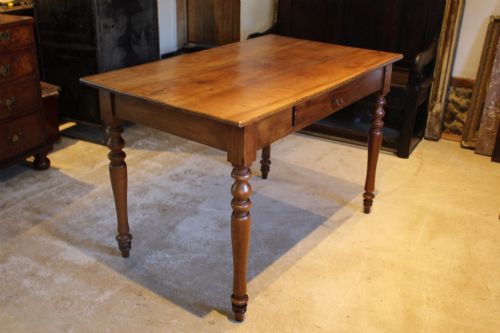
When you search for an antique cherry desk, you are looking at sturdy hardwood writing tables, lowboys, and occasional tables built from rich fruitwood. The pieces available span the eighteenth, nineteenth, and early twentieth centuries, reflecting diverse regional tastes from British George II designs to French provincial country houses.
How they were made
Cabinetmakers utilised solid cherry wood for its fine grain and rich colour, pairing the timber with brass handles, iron fittings, and occasional stone tops. Construction relied on traditional joinery methods that allowed the timber to expand and contract naturally over time.
Surfaces were finished to highlight the natural warmth of the cherrywood rather than hiding the grain beneath heavy lacquers. The resulting pieces combined structural durability with the understated elegance characteristic of regional European workshops.
Antique Cherry Desk Retail Price Guide 2026
Typical asking prices for cherry desk among the pieces listed under this phrase on Sellingantiques today, from the lower quarter to the upper quarter. They describe what is for sale here now, not the wider market.
Listings span from the eighteenth century through to the nineteen-thirties, featuring cherry wood alongside brass, iron, and stone top elements.
What varies in quality
Quality in these pieces rests upon the selection of timber and the harmony of proportions rather than elaborate ornamentation. Finer examples display carefully matched grain patterns across the topboards and well-executed joinery that remains tight and stable.
The treatment of secondary woods and the retention of original brass or iron hardware also distinguish superior items. Lesser pieces may show heavy alterations or replacements that disturb the visual balance of the original design.
The Antique Cherry Desk Glossary
- Cherry wood
- A dense hardwood prized by cabinetmakers for its reddish-brown tone and smooth grain that deepens in warmth over time. It was frequently utilised for regional and provincial furniture across Europe.
- Lowboy
- A small side table or dressing table featuring a low profile and one or more rows of drawers beneath the top. This form gained popularity during the eighteenth century.
- Refectory table
- A long dining or working table originally designed for communal eating halls, later adapted into substantial farmhouse formats. These tables are characterised by sturdy legs and stretcher bases.
- French Provincial
- A style originating from regional French cabinetmakers who adapted urban Parisian fashions into simpler, more utilitarian domestic furniture. It relies on modest curves and honest construction.
Antique Cherry Desk: Frequently Asked Questions
What is an antique cherry desk?
An antique cherry desk is a utilitarian workspace or writing table constructed from solid cherrywood during the eighteenth, nineteenth, or early twentieth centuries. These pieces range from formal Georgian lowboys to rustic French provincial tables.
They were designed for practical tasks such as writing, correspondence, and household management, offering sturdy surfaces alongside useful drawer storage.
How do I care for cherry wood?
Cherry wood benefits from regular dusting with a soft, dry cloth and protection from direct sunlight, which can cause uneven colour maturation. Avoid placing hot or wet items directly on the polished surface.
Applying a traditional beeswax polish occasionally will nourish the timber and help maintain its natural lustre without building up heavy chemical residues.
Are these tables sturdy enough for daily use?
Most antique cherry tables were built for rigorous domestic or farmhouse utility, utilising solid hardwood and robust joinery that withstands regular activity. Their sturdy frames make them well-suited as modern writing desks or console tables.
Checking the stability of the legs and joints will ensure the piece remains secure under the weight of modern daily work.
How can I tell the period of a table?
Dating relies on observing construction methods, hardware types, and stylistic cues such as the cabriole legs of the George II period or the simpler lines of French provincial pieces. Tool marks and fastener styles visible beneath the top or inside drawers also provide clues to the era of manufacture.
Comparing the timber patina and wear patterns to known examples helps confirm whether a piece belongs to the eighteenth or nineteenth century.