


Antique Cheese Server
An antique cheese server brings domestic ritual to the table, taking the form of specialised scoops, covered dishes, coasters and revolving trays crafted to present cheese.
Antique Cheese Server
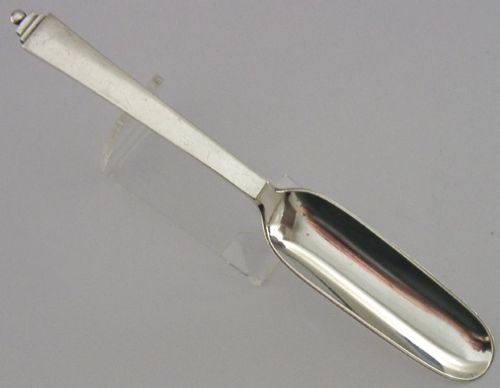
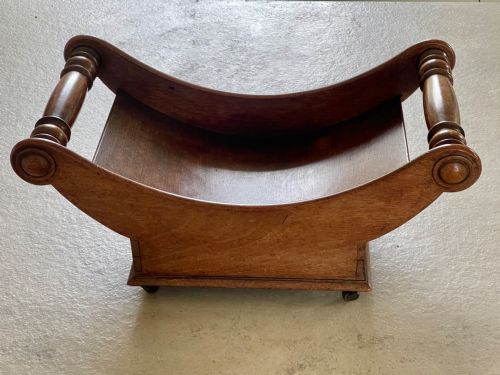
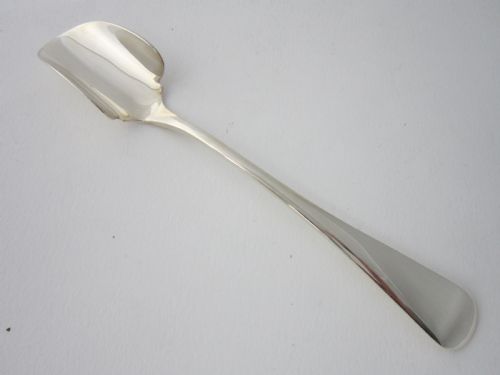
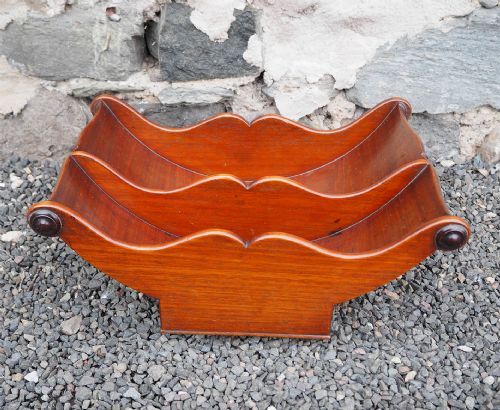
When you search for an antique cheese server, you encounter a range of dining accessories designed for the formal presentation and service of cheese, spanning periods from the Georgian era through to the Art Deco years. The selection on this page includes sterling silver and silver plate stilton scoops, mahogany cheese coasters, ceramic cheese dishes with covers, oak court cupboards and revolving lazy susan trays.
The specific forms you are most likely to meet here are long-handled stilton scoops in sterling silver, often featuring bone or mother-of-pearl handles, alongside covered cheese dishes in ironstone china, silver plate and glass. Coasters and lazy susans constructed from mahogany and oak also appear, reflecting the diverse ways dining rooms accommodated cheese courses across the nineteenth and twentieth centuries.
Originating from periods such as the Victorian, Edwardian and Georgian eras, these pieces serve as functional tablewares that tell a story of historical dining habits. Whether selecting a George V sterling silver scoop or a Victorian silver-plated dish and cover, each object represents a distinct chapter in the domestic history of serving cheese.
Materials and construction
Makers utilised a combination of metals, dense timbers and ceramics, pairing sterling silver and silver plate with bone, mother-of-pearl, mahogany and oak. Scoops feature shaped metal bowls joined to organic handles, while coasters and dining accessories employ turned and polished hardwoods.
Ceramic cheese dishes demonstrate the application of ironstone china and glass, often accompanied by metal covers or stands. Construction methods range from the silversmithing techniques required for Old English stilton scoops to the joinery and turning visible in mahogany coasters and lazy susan trays.
A revolving wooden lazy susan ensures that nobody ever has to stretch across the claret to reach the cheddar.
Distinctions in quality
The distinction between ordinary and superior pieces rests on the weight of the metal, the crispness of the chasing on silver scoops, and the depth of polish on mahogany and oak timbers. Superior examples display harmonious proportions and intact, original components such as matching covers and handles.
Material integrity marks the upper tier of these dining accessories, where hallmarks on sterling silver remain clear and ceramic bodies show no replacement parts. Lesser examples reveal worn silver plating, heavy restoration or mismatched elements that disrupt the historical cohesion of the object.
The Antique Cheese Server Glossary
- Lazy Susan
- A revolving tray placed on a table or counter to assist in moving food easily among guests. Edwardian and Art Deco iterations in wood or plate allow diners to access condiments and dishes without stretching.
- Old English
- A traditional pattern name for flatware and serving utensils characterised by a smooth, down-turned handle end. This style appears frequently on sterling silver scoops from the Georgian and twentieth-century periods.
- Ironstone china
- A heavy, durable type of ceramic patented in the nineteenth century, frequently utilised for footed cheese dishes and covers. It offers resilience and a smooth white ground suitable for transfer-printed or hand-painted decoration.
Antique Cheese Server: Frequently Asked Questions
What is an antique cheese scoop used for?
A cheese scoop is designed to tunnel into hard blue cheeses, allowing the server to extract a clean plug without crumbling the paste.
The long, curved channel of the scoop supports the wedge as it is lifted from the wheel to the plate.
How do you use a cheese coaster?
A cheese coaster sits upon the dining table to hold a cheese dish, protecting the polished wood surface from moisture and crumbs.
Some iterations feature small wheels underneath, permitting diners to roll the coaster gently back and forth along the table.
How do I care for silver cheese servers?
Silver and silver-plated utensils require gentle washing in warm, soapy water followed by immediate drying with a soft cloth to preserve the finish.
Harsh abrasive cleaners should be avoided to prevent damage to the silver surface and organic handle materials like bone.
How can I tell a Georgian scoop from a later one?
Georgian silver scoops often display crisp hallmarks, hand-wrought details, and simpler handle profiles reflecting eighteenth-century craftsmanship.
Later pieces from the George V or George VI periods carry twentieth-century date letters and frequently adopt machine-finished precision in their engraving.