


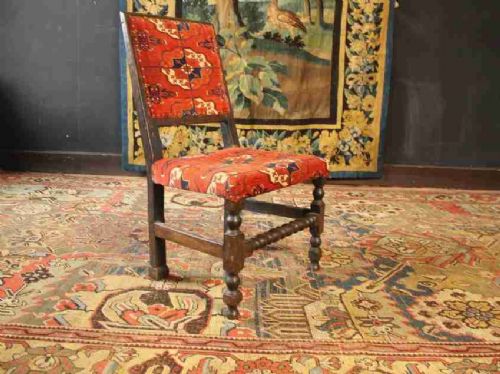


Antique Chair Restoration
Antique chair restoration items encompass seating from the seventeenth century onward, offering historic frames in walnut and oak that require careful preservation.
Antique Chair Restoration
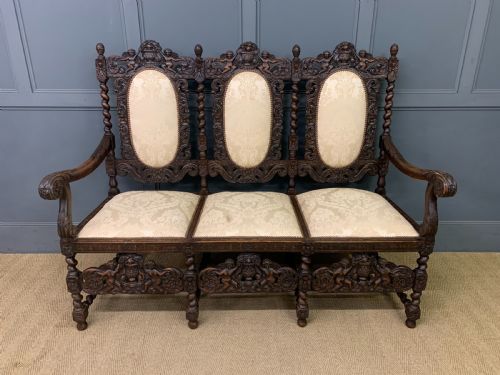
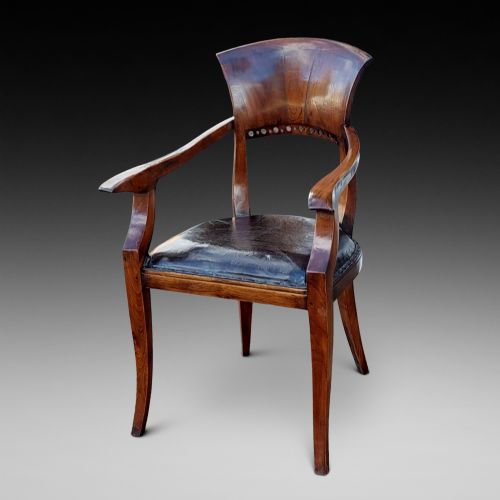
When you examine antique chair restoration items, you encounter seating spanning the seventeenth, eighteenth, and nineteenth centuries. These pieces include armchairs, dining chairs, side chairs, desk chairs, and settees originating from English, French, and provincial makers.
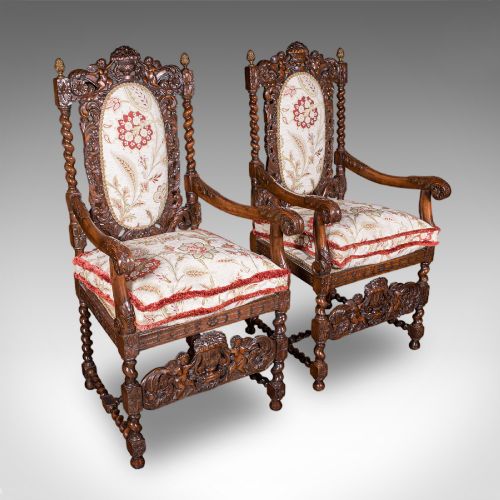
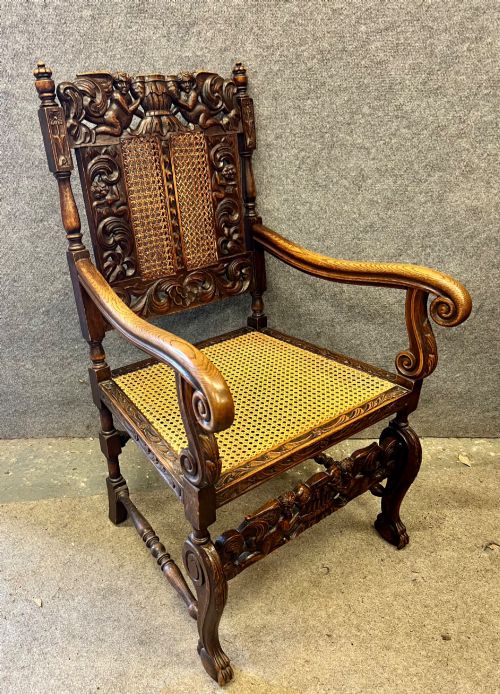
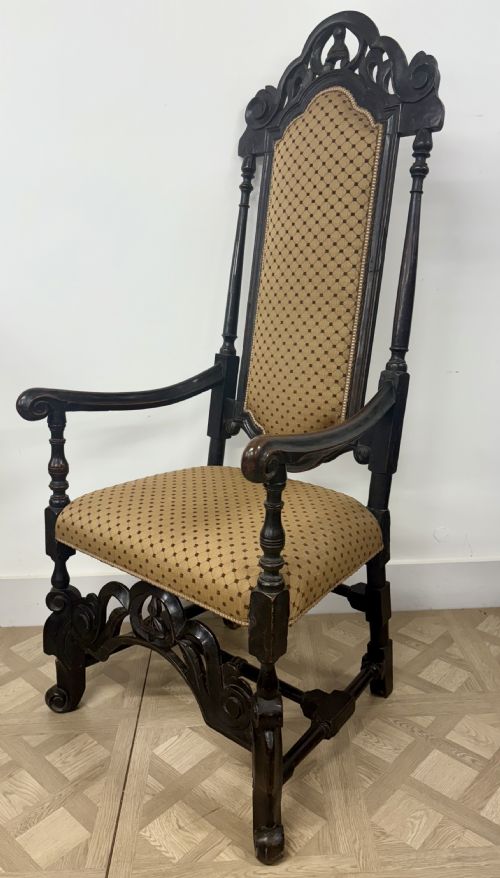
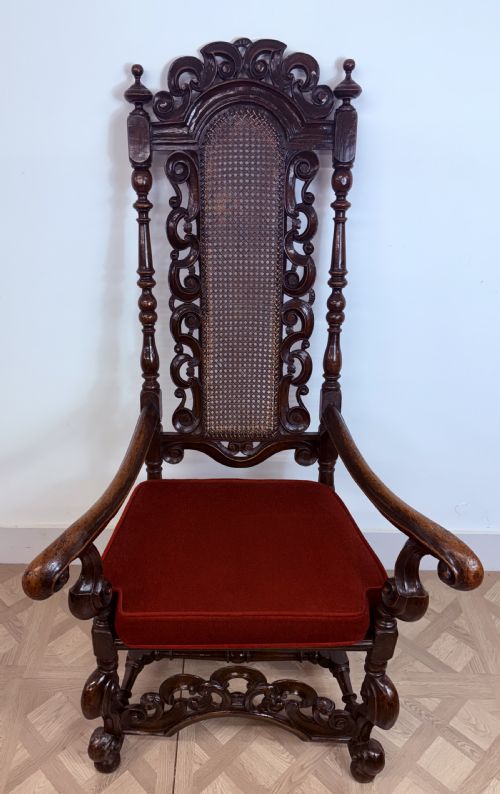
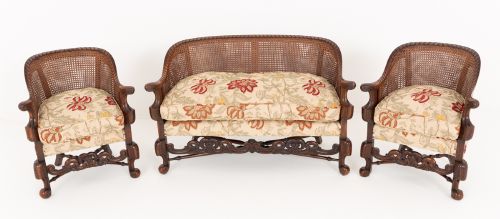
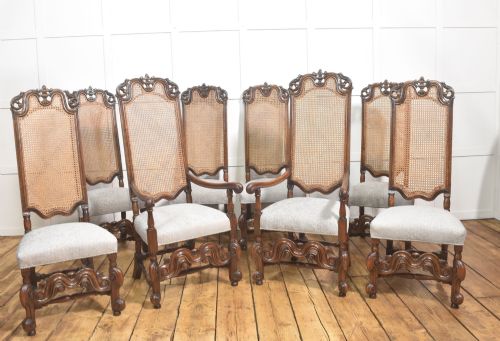
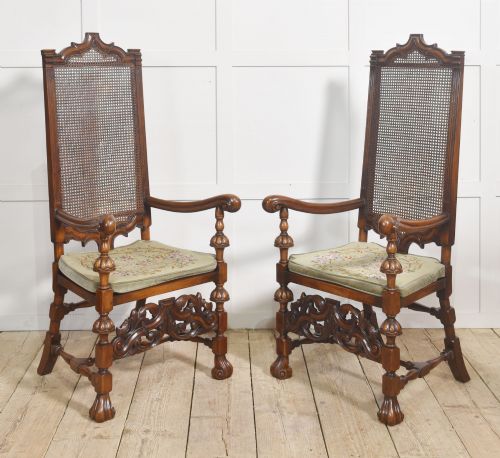
The selections on this page feature robust seventeenth-century oak designs alongside walnut high-back styles and later Victorian interpretations. You meet examples executed in the Carolean manner, complete with intricate woodwork and woven cane panels, waiting for specialist attention.
How they were made
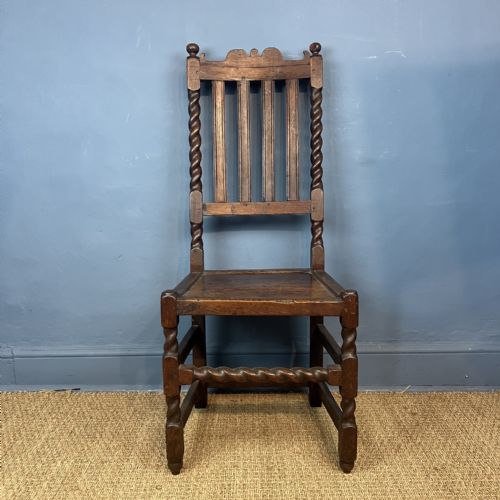
Joinery relies on solid timber frames fashioned from native oak and walnut, joined with traditional pegged mortise and tenon joints. Carved ornamentation is applied directly to the structural elements or executed on applied mouldings.
Seating surfaces utilise natural materials such as woven cane, split leather, and padded upholstery fabric secured with brass tacks. Frames often incorporate turned legs and stretchers to provide rigidity under load.
Antique Chair Restoration Retail Price Guide 2026
Typical asking prices for chair restoration among the pieces listed under this phrase on Sellingantiques today, from the lower quarter to the upper quarter. They describe what is for sale here now, not the wider market.
Listings feature walnut and oak as the predominant framing materials across seventeenth and nineteenth-century seating forms.
What varies in quality
The integrity of the original timber frame dictates the baseline standard, with uncompromised joints and crisp hand-carving representing superior output. Pieces retain their structural hierarchy when timber shrinkage is minimal and repairs remain sympathetic to the original period.
The depth and complexity of the relief carving on the crest rails and front stretchers separate standard production from exceptional examples. Furthermore, the quality of the cane weaving or the precision of the turning influences the overall merit of the frame.
Jacob-Desmalter·Waring & Gillow·Howard and sons
The Antique Chair Restoration Glossary
- Carolean
- A style reflecting the reign of Charles II, characterised by rich walnut framing, high backs, and elaborate scrollwork. This aesthetic dominates much of the seventeenth-century seating seen here.
- Cane
- Split rattan woven into patterned meshes for chair backs and seats. It provides a resilient and breathable surface.
- Fauteuil
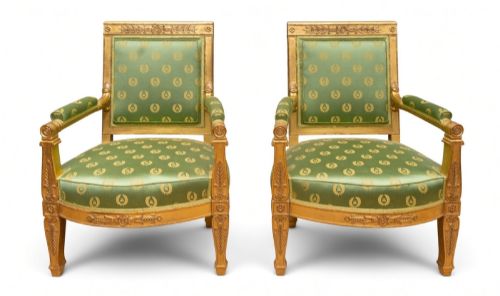
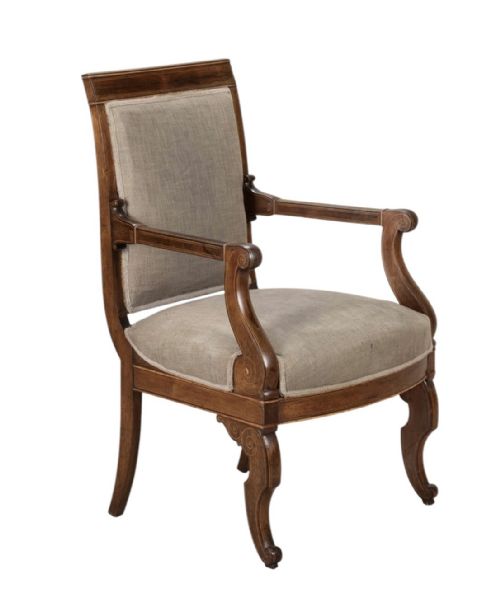
- An open-armed French armchair with upholstered back and arm pads set over an exposed wooden frame. These appear in eighteenth-century continental designs.
- Stretcher
- A horizontal wooden member connecting the legs of a chair to provide lateral stability. They often feature decorative turnings in walnut or oak.
- Wing back
- An upholstered armchair featuring flanking side panels designed to shield the sitter from draughts. These forms develop significantly during the Georgian and Victorian periods.
Antique Chair Restoration: Frequently Asked Questions
How do I identify a Carolean chair?
Carolean chairs display characteristic high backs, carved scrollwork, and crown motifs executed in oak or walnut. They frequently incorporate cane panels and robust stretchers between turned legs.
Look closely at the joinery and the sharpness of the chisel work on the crest rail to judge the period characteristics.
What timber was used most often?
Seventeenth-century frames rely heavily on English oak before walnut gains prominence toward the end of that century. Elm and rosewood appear in later French provincial and nineteenth-century pieces.
Grain patterns and weight help determine the specific wood species utilised in each frame.
How should I care for cane seats?
Cane requires occasional dampening with a sponge on the underside to maintain its elasticity and prevent snapping. Keep these chairs away from direct heat sources that dry out the natural fibres.
Avoid placing excessive localized weight on the centre of old woven panels.
Can these chairs be re-upholstered safely?
Many historic frames are designed to accept traditional stuffing materials like horsehair and hessian secured with tacks. Working with traditional methods preserves the rebate lines and prevents damage to the surrounding timber.
Consult the existing tack holes to ensure new fixings follow previous attachment paths.