



Antique Ceramic Trio
An antique ceramic trio brings together three matching or complementary tea and cabinet pieces from the eighteenth, nineteenth, or early twentieth century.
Antique Ceramic Trio
An antique ceramic trio typically comprises a matching teacup, saucer, and side plate intended for formal tea service or display in a cabinet. Buyers seeking an antique ceramic trio will encounter sets produced across the eighteenth and nineteenth centuries by notable English manufactories. These groupings often survive as complete matching units, preserved by collectors who valued their decorative utility.
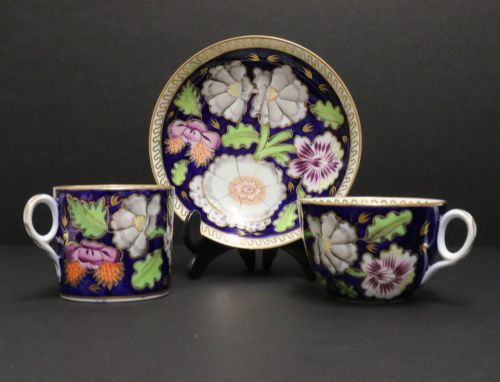
The selections range from early Regency cabinet pieces with delicate hand-painted motifs to robust Victorian bone china and Edwardian tea sets. Alongside traditional teaware, the listings include decorative vessel sets and related ceramic furnishings from periods spanning Georgian to Art Nouveau styles. Each grouping demonstrates the coordinated output of historical potteries working in porcelain, bone china, and ironstone.
What varies in quality
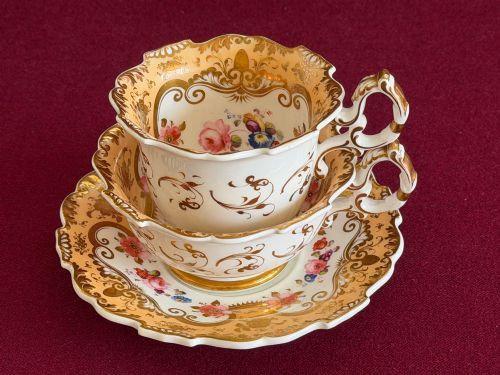
Quality in these sets depends upon the crispness of the moulding, the fineness of the ceramic paste, and the precision of the hand-painting. Early porcelain bodies demonstrate greater translucency, while ironstone offers robust weight and durability for daily utility. Superior pieces maintain unbroken gilt borders and vibrant enamel colours without pigment fading or running.
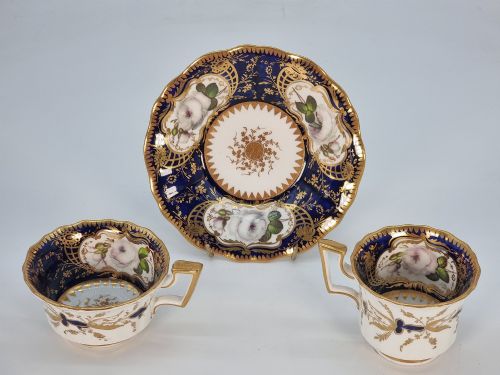
The artistic merit of the painted decoration separates standard utilitarian ware from high-status cabinet pieces produced by factories like Newhall and Davenport. Careful brushwork, intricate floral or figural subjects, and well-preserved gilding indicate superior workshop standards. The integrity of the glaze surface and the absence of firing deformations further define the standing of each vessel.
Antique Ceramic Trio Retail Price Guide 2026
Typical asking prices for ceramic trio among the pieces listed under this phrase on Sellingantiques today, from the lower quarter to the upper quarter. They describe what is for sale here now, not the wider market.
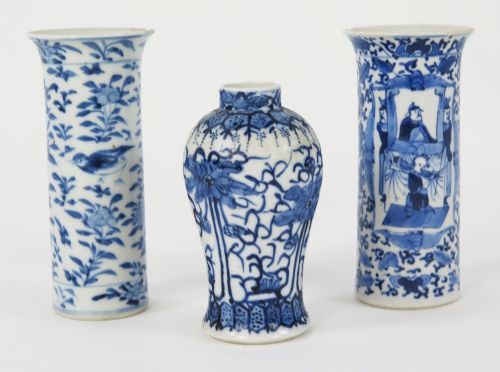
Among the formal teaware hide charming deviations, including chimney pots and dragon-decorated lustre bud vases.
A H & R Daniel·Newhall·Coalport John Rose·Royal Worcester·Davenport·Wedgwood·Minton·Spode·Mason·Wileman Foley Shelley·Ridgway
The Antique Ceramic Trio Glossary
- Trio
- A set of three matching ceramic pieces, usually consisting of a teacup, saucer, and matching plate for tea or cabinet display. This configuration became popular in the eighteenth century for formal hospitality.
- Bone china
- A type of soft-paste porcelain incorporating bone ash to increase strength, whiteness, and translucency. English potteries developed this material to achieve thinner walls and brighter glaze effects.
- Ironstone
- A heavy, durable earthenware developed in the nineteenth century to imitate oriental porcelain. It resists chipping and provides a sturdy surface for transfer-printed or hand-painted patterns.
- Gilding
- The application of gold leaf or powdered gold to ceramic surfaces for decorative emphasis. Artisans painted the gold onto rims and handles before firing it to a permanent metallic finish.
- Enamel
- Opaque coloured glass fused to the ceramic body during decoration. These pigments allow for bright, multicoloured hand-painted scenes and repeating geometric borders.
Antique Ceramic Trio: Frequently Asked Questions
What pieces make up an antique ceramic trio?
An antique ceramic trio consists of three coordinated pieces designed for tea service, typically a teacup, saucer, and matching plate. These sets allowed hosts to serve tea with a uniform aesthetic.
Over the centuries, potteries expanded this concept to include specialised cabinet pieces and matching sugar or creamer additions. Collectors prize complete trios that retain their original manufacturing characteristics.
How do you date an antique ceramic trio?
Dating relies upon identifying factory marks stamped or painted on the base, stylistic indicators of the period, and the composition of the ceramic body. Early Regency pieces often feature soft-paste porcelain without modern maker stamps, requiring stylistic analysis.
Later Victorian and Edwardian items frequently include registration numbers or specific potter's ciphers that pinpoint the exact year of production. Comparing the glaze texture and painting style with documented workshop output confirms the era.
Were these trios used for everyday dining?
Many fine porcelain and bone china trios served as high-status display items in drawing rooms rather than daily kitchenware. Wealthy households reserved delicate cabinet sets for formal afternoon tea receptions.
More robust ironstone and earthenware trios saw regular service in domestic households due to their thicker walls and resistance to daily wear. The material composition generally indicates whether a set was built for utility or display.
How should I care for antique ceramic trios?
Antique ceramics require gentle hand washing in lukewarm water with mild soap to preserve fragile overglaze enamels and delicate gilding. Dishwashers and harsh abrasives damage the historic glaze and wear away the gold leaf.
Displaying them away from direct sunlight prevents the fading of hand-painted enamel colours over time. Storing pieces with proper support prevents rim chips and structural stress.