





Antique Ceramic Trio Set
An antique ceramic trio set brings matching cups, saucers, and plates to the table from periods spanning the eighteenth century to the early twentieth century.
Antique Ceramic Trio Set
An antique ceramic trio set comprises matched sets of three pieces, primarily featuring teacups, saucers, and plates or related groupings of three ceramic items from historical periods. These sets emerge from the eighteenth century, the Regency era, and the nineteenth century, reflecting the domestic habits of earlier generations.
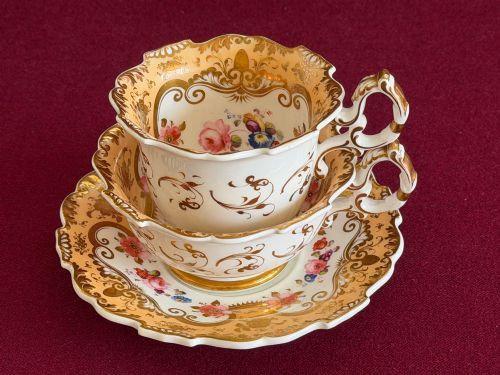
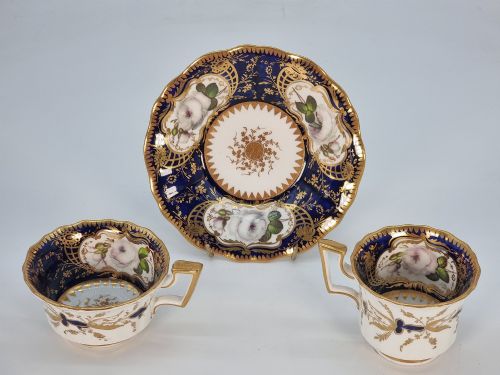
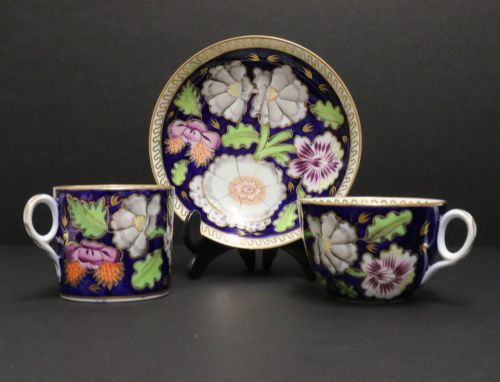
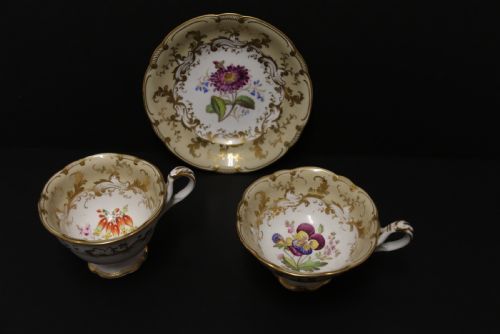
Most pieces seen here take the form of cabinet trios and teaware originating from English makers and factories. Alongside traditional English porcelain and bone china, the selection includes Japanese vases and decorative vessels grouped in threes.
Buyers encounter items ranging from early nineteenth century cabinet trios by Spode and Coalport to later Edwardian and Victorian productions. The forms vary from intimate tea sets to sets of three decorative vases designed for display.
What varies in quality
The sophistication of the hand painting and the precision of the gilding determine the refinement of each set. Pieces featuring detailed hand-painted scenes demonstrate higher artistic ambition than standard transfer-printed wares.
The reputation of the maker and the preservation of the delicate porcelain or bone china body influence desirability. Early nineteenth century examples from established factories carry distinct historical weight compared to later commercial output.
Antique Ceramic Trio Set Retail Price Guide 2026
Typical asking prices for ceramic trio set among the pieces listed under this phrase on Sellingantiques today, from the lower quarter to the upper quarter. They describe what is for sale here now, not the wider market.
Keep an eye out for the charmingly named 'Crazy Cow' pattern, proving that nineteenth-century tea tables had a sense of humour.
A H & R Daniel·Coalport John Rose·Royal Worcester·Davenport·Minton·Spode·Wileman Foley Shelley·Ridgway
The Antique Ceramic Trio Set Glossary
- Trio
- A set of three matching ceramic pieces, usually consisting of a teacup, saucer, and matching plate or secondary vessel. These configurations served formal tea service traditions.
- Bone China
- A type of soft-paste porcelain incorporating bone ash, developed to provide a resilient and whiter ceramic body. This material allows for thinner walls while maintaining structural strength.
- Gilding
- The application of gold leaf or gold paint to ceramic surfaces for decorative trim. Artisans brushed or dusted these metallic preparations onto rims and handles before firing.
- Cabinet Trio
- A high-quality trio intended for display in a glass-fronted cabinet rather than everyday use. These pieces often exhibit superior painting and more elaborate moulding.
- Enamel
- Opaque glass-like material fused to the ceramic surface during a low-temperature firing. Enamels provided vibrant colours for hand-painted floral and pictorial motifs.
Antique Ceramic Trio Set: Frequently Asked Questions
What is an antique trio?
An antique trio is a matched set of three ceramic items, typically comprising a teacup, saucer, and plate intended for tea service.
These groupings allowed households to serve guests with coordinated china during formal gatherings.
How do I date my set?
Dating relies on maker marks, factory backstamps, and stylistic indicators such as Regency or Victorian moulding shapes.
Comparing the paste composition and decorative techniques to known factory periods helps narrow the manufacturing window.
Can I use them daily?
Most antique ceramic trios feature delicate bone china or porcelain that requires careful hand washing rather than dishwasher use.
Due to historical gilding and enamel work, everyday use can gradually wear away the hand-painted details.
Why are some called cabinet trios?
Cabinet trios were produced primarily for display in china cabinets rather than practical dining use.
These pieces typically showcase finer hand painting and more elaborate gilding than standard service wares.