





Antique Ceramic Sugar Pot
An antique ceramic sugar pot brings the refined ritual of Georgian and Victorian tea service directly to the modern table.
Antique Ceramic Sugar Pot
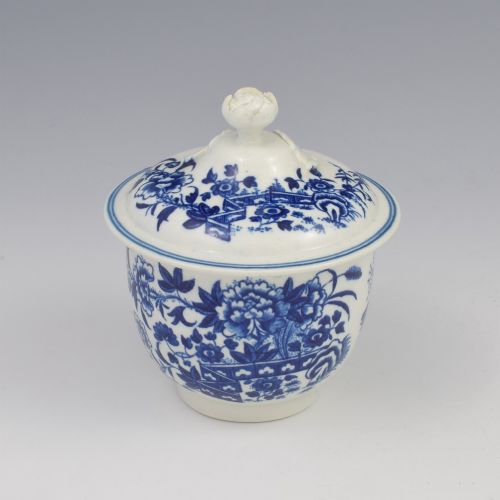
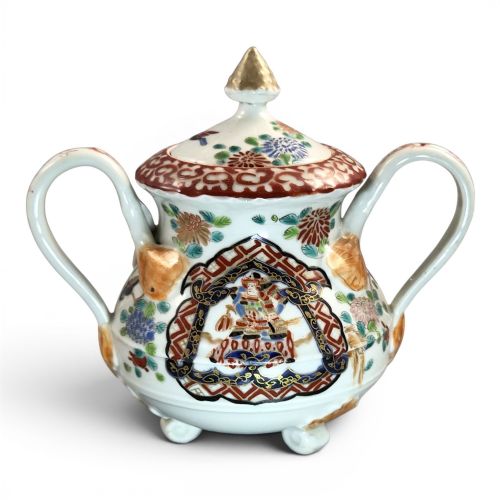
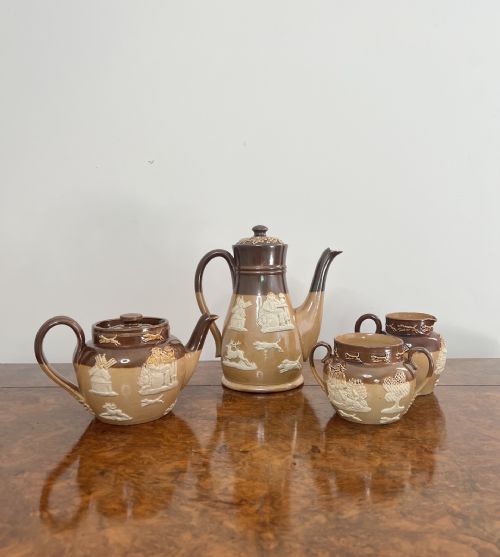
When you search for an antique ceramic sugar pot, you enter a diverse field of lidded vessels, sucriers, and sugar bowls designed to hold loose sugar for tea and coffee. These pieces span from the mid-eighteenth century through the nineteenth century, encompassing Georgian, Regency, and Victorian aesthetics alongside Japanese export wares.
Makers and origins vary widely across the inventory, featuring prominent English porcelain houses, French decorating studios, German factories, and Japanese Meiji period studios. Buyers will find everything from early soft-paste porcelain decorated with hand-painted patterns to earthenware bodies finished with rich glaze and gilding.
What varies in quality
Quality in these sugar pots rests upon the crispness of the moulding, the stability of the glaze, and the precision of the hand-painted or transfer-printed decoration. Early soft-paste porcelain vessels often display characteristic translucency and subtle potting variations distinct from later mass-produced bodies.
The distinction between standard domestic wares and superior examples lies in the artistic execution of the painted patterns, the presence of recognised factory or studio marks, and the survival of the original matching cover. Pieces carrying identifiable attribution to prominent periods or master painters command greater attention from collectors.
Antique Ceramic Sugar Pot Retail Price Guide 2026
Typical asking prices for ceramic sugar pot among the pieces listed under this phrase on Sellingantiques today, from the lower quarter to the upper quarter. They describe what is for sale here now, not the wider market.
The inventory includes Japanese export wares from the Meiji period alongside European porcelain from English and continental factories.
Spode Porcelain·Richard Ginori·Doulton·Meissen
The Antique Ceramic Sugar Pot Glossary
- Soft-paste porcelain
- An artificial porcelain composition fired at lower temperatures than hard-paste porcelain, characteristic of many eighteenth-century European factories. It produces a warm, slightly creamy body with distinct translucency.
- Felspar porcelain
- An innovative ceramic body developed in the nineteenth century that incorporated feldspar into the paste. This composition improved durability and thermal resistance for domestic table wares.
- Imari
- A style of Japanese export porcelain characterised by a distinct palette of underglaze blue, iron red, and gold. These pieces were widely produced during the Meiji period for international markets.
- Bonbonniere
- A small decorative lidded vessel originally intended for holding sweets or confectionary. In ceramic form, these pieces function as highly ornamental table containers.
Antique Ceramic Sugar Pot: Frequently Asked Questions
What is a sucrier?
A sucrier is simply the traditional term for a lidded sugar bowl used during tea and coffee service. These vessels were manufactured to keep loose sugar dry and protected on the table.
Collectors frequently use this term when discussing eighteenth and nineteenth-century porcelain tablewares. They come in various shapes, including urn forms, footed bowls, and lidded jars with handles.
How do I date a ceramic sugar pot?
Dating a ceramic sugar pot involves examining the paste composition, glaze characteristics, and any factory marks stamped or painted on the base. Stylistic cues like Regency or Victorian decorative motifs also provide reliable chronological markers.
Expert attribution often relies on matching patterns and forms to documented factory production periods. Unmarked pieces are typically dated by comparing their potting technique and enamel palette to known examples.
How were antique sugar pots used?
These pots sat at the centre of the tea table to dispense sugar into cups before the widespread adoption of pressed sugar cubes. Servants or hosts removed the fitted lid to ladle or spoon sugar into individual beverages.
Over time, changing dining customs shifted their primary role from functional table service to decorative display pieces. Many surviving examples retain their original lids, which were essential for keeping the contents clean.
Can I use an antique sugar bowl daily?
Using an antique ceramic sugar pot for daily service requires careful handling, hand washing, and avoidance of modern dishwashers or microwaves. The fragile nature of nineteenth-century porcelain and delicate overglaze gilding demands gentle treatment.
Many collectors prefer to display these vessels or reserve them for occasional special gatherings. Gentle use helps preserve fragile handles, delicate painted scenes, and original gilt accents.