






Antique Ceramic Soup Plates
Antique ceramic soup plates bring historic dining rooms to life, offering collectors durable earthenware, creamware and porcelain shaped by centuries of changing tastes.
Antique Ceramic Soup Plates
Antique ceramic soup plates encompass a range of deep vessels, bowls and dishes designed for serving broth and soup at the formal dining table. When exploring antique ceramic soup plates, buyers encounter forms stretching from the eighteenth century into the twentieth century, reflecting shifting domestic habits.
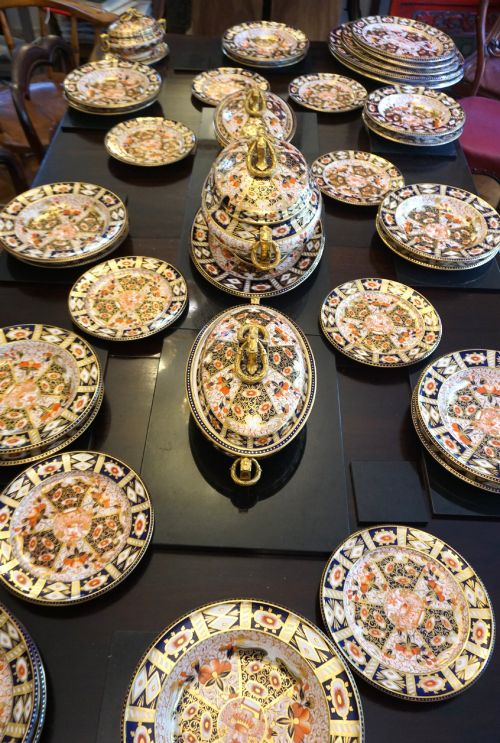
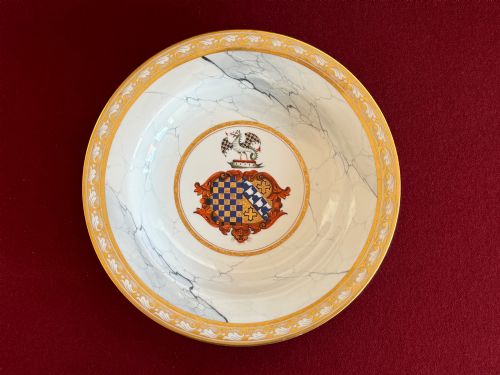
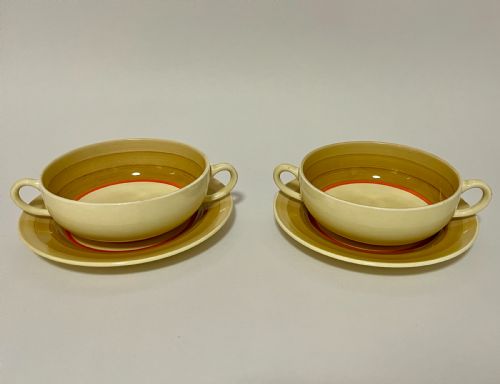
The pieces appearing on this page span several distinct periods, notably the eighteenth and nineteenth centuries alongside later twentieth century examples. Common forms include soup bowls, dinner services, creamware pudding bowls, and octagonal plates featuring armorial designs or botanical motifs.
Originating from English potteries and Chinese export workshops, these items range from Wedgwood creamware and Minton majolica to Mason's ironstone and Royal Worcester porcelain. Buyers frequently meet earthenware and porcelain bodies decorated with glaze, enamel, and occasional gold leaf accents.
How they were made
Potters shaped these vessels using traditional ceramic bodies including creamware, ironstone, and porcelain, fired to achieve durable domestic surfaces. Workshops applied surface decoration through hand-painted enamels, transfer printing, and rich glazes.
Specialised techniques such as gilding with gold leaf enhanced high-status wares, whilst moulded earthenware provided robust utility for everyday Victorian and Edwardian dining tables.
Antique Ceramic Soup Plates Retail Price Guide 2026
Typical asking prices for ceramic soup plates among the pieces listed under this phrase on Sellingantiques today, from the lower quarter to the upper quarter. They describe what is for sale here now, not the wider market.
Dining historians note that deep soup plates were essential for preventing eighteenth-century powdered wig tails from splashing into the broth.
What varies in quality
The distinction between standard domestic tablewares and exceptional collector pieces rests upon the crispness of the moulded relief and the precision of the hand-painted or armorial decoration. Superior examples display refined potting with thin, even walls and stable glaze finishes.
Wedgwood·Minton·Booths·Clarice Cliff·Mason·Grainger and Co Royal Worcester·Royal Worcester
The Antique Ceramic Soup Plates Glossary
- Creamware
- A light-coloured refined earthenware developed in the eighteenth century, prized for its warm butter-hued glaze. Wedgwood notably refined this ceramic body for armorial and botanical services.
- Ironstone
- A dense, durable type of earthenware patented in the nineteenth century to imitate Chinese porcelain. Mason's notably produced robust soup bowls using this heavy material.
- Majolica
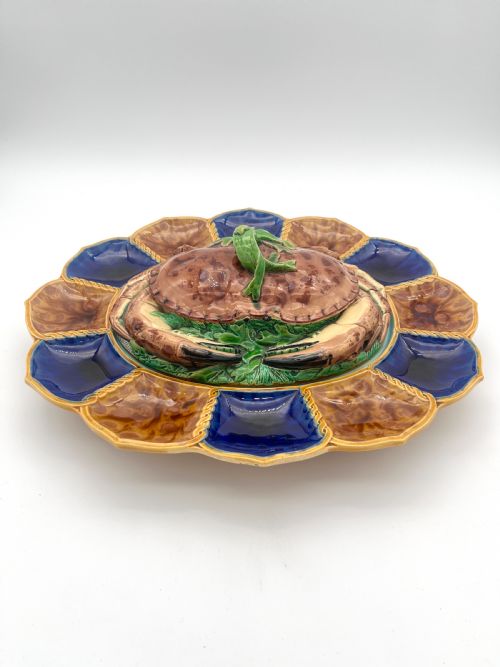
- A colourful, lead-glazed earthenware style popular during the Victorian period, known for naturalistic moulded forms like marine life and foliage. Minton produced notable examples in this technique.
- Armorial
- A ceramic design featuring a hand-painted coat of arms or family crest, commonly commissioned by wealthy patrons for eighteenth-century dining services.
- Famille rose
- A Chinese porcelain palette dominated by opaque pink enamel, exported to Europe during the eighteenth century for high-status dining.
Antique Ceramic Soup Plates: Frequently Asked Questions
How do I date an antique soup plate?
Dating relies upon examining the ceramic body, glaze characteristics, maker marks, and stylistic clues within the decoration. Eighteenth-century pieces often utilise creamware or Chinese export porcelain, whilst nineteenth-century examples frequently show ironstone or majolica traits.
Changes in pottery backstamps and registration numbers help narrow down production years, particularly for Victorian and Edwardian services.
Can I use antique soup plates for dining?
Many sturdy ironstone and earthenware plates remain physically capable of holding food, though historical pieces require careful hand washing. Avoiding dishwashers and sudden temperature changes protects the fragile eighteenth-century enamel and nineteenth-century gold leaf.
Collectors often reserve these vessels for special occasions or display them on plate racks to prevent accidental chipping.
What is the difference between creamware and ironstone?
Creamware is a refined eighteenth-century earthenware featuring a characteristic pale yellow or cream-coloured glaze. It prioritises elegance and delicate forms, as seen in botanical and armorial dinner services.
Ironstone, developed later in the nineteenth century, is a much heavier and denser ceramic designed to resist chipping and heavy domestic wear.
How should I display antique soup plates?
Displaying soup plates securely involves using specialist wall hangers or sturdy plate stands inside cabinets. Ensuring adequate support prevents structural stress on the historic ceramic body.
Keeping pieces away from direct sunlight protects enamel colours and gold leaf accents from fading over time.