



Antique Ceramic Caddy
An antique ceramic caddy is a refined vessel for dry stores, offering both historical utility and cabinet presence.
Antique Ceramic Caddy
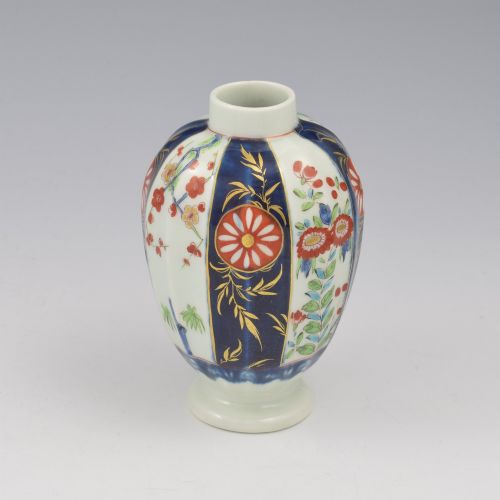
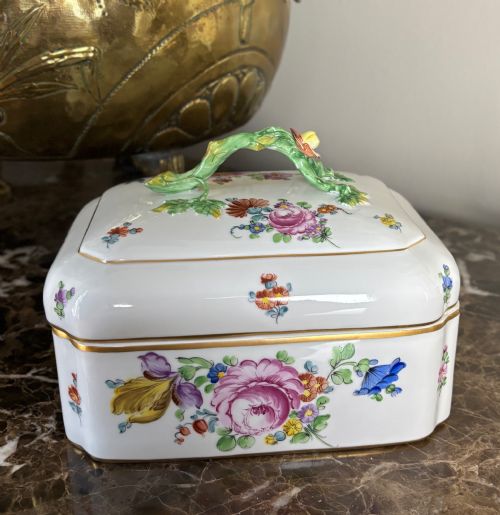
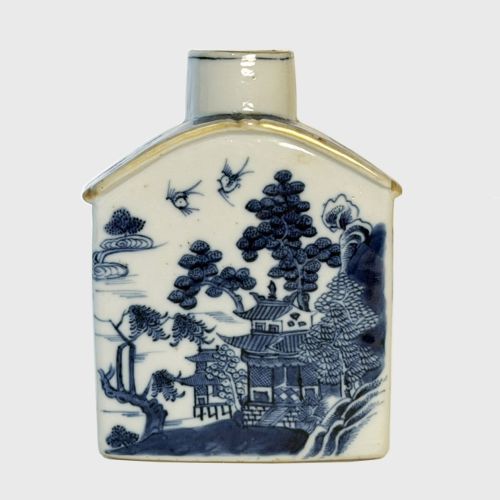
When you search for an antique ceramic caddy, you are looking at small storage vessels primarily made for tea, biscuits, or dry provisions. These pieces span centuries of ceramic production across English, European, and Asian kilns.
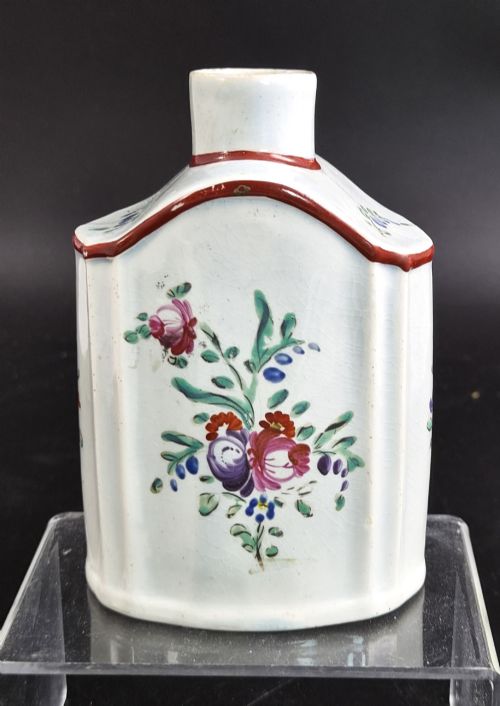
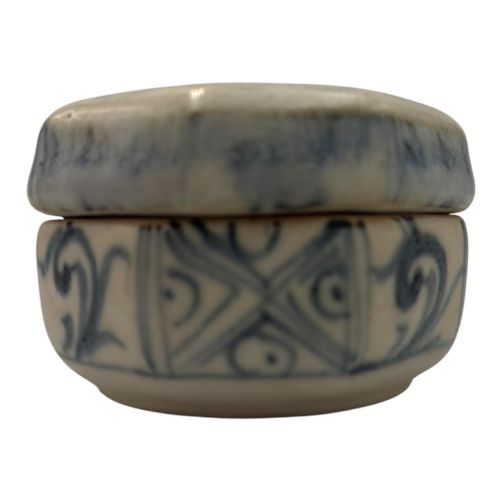
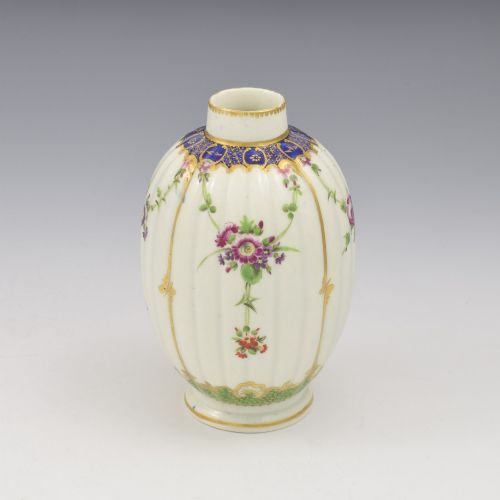
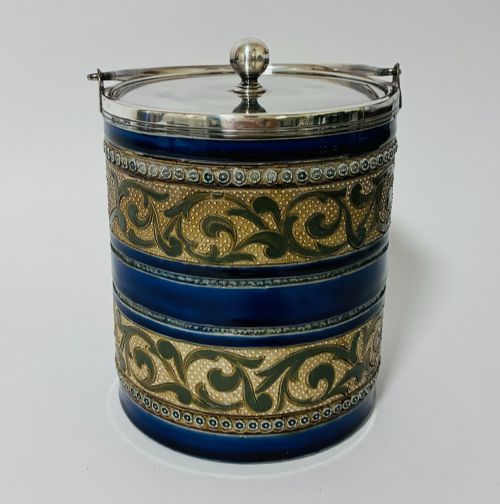
You are most likely to meet 18th-century English porcelain tea canisters alongside Victorian earthenware biscuit barrels on this page. Forms range from octagonal boxes and ginger jars to fitted carafes and cylindrical tea caddies.
Origins stretch from Staffordshire potteries and Worcester factories to Chinese export kilns and Japanese workshops. Each piece reflects the domestic storage habits and decorative tastes of its specific period.
How they were made
Potters shaped earthenware, stoneware, and porcelain bodies by hand or wheel before applying cobalt pigments, floral enamels, or crackle glazes. Many 18th-century pieces rely on delicate handpainted details fired at high temperatures.
Makers often enhanced ceramic bodies with silver plated mounts, gold leaf, or pewter hardware to secure the lids. Biscuit barrels frequently incorporate metal swinging handles and hinged rims attached directly to the ceramic base.
Some Victorian households kept their biscuits under lock and key inside heavily mounted ceramic barrels to deter hungry servants.
What varies in quality
Quality rests in the crispness of the moulding and the skill of the handpainting across the surface. Finer examples show precise brushwork, balanced cobalt tones, and well-executed enamel layers without blurring.
The integration of metal mounts and the survival of original matching covers dictate the standing of a piece. Superior vessels maintain their original gilding, clear maker marks, and structurally sound ceramic bodies.
Leeds Pottery·Doulton Lambeth·Carlton Ware·Herend·Tokyo Taizan·Minton·Wedgwood·Desvres Rouen
The Antique Ceramic Caddy Glossary
- Biscuit Barrel
- A covered ceramic container utilised on the dining table for serving biscuits. They frequently feature silver plated rims and handles.
- Tea Caddy
- A small vessel designed to store loose tea leaves securely, often fitted with a lid to preserve aroma.
- Flow Blue
- A cobalt blue printing technique where the colour bleeds slightly into the white glaze during firing, creating a misty effect popular in the Edwardian era.
- Jasper Ware
- A fine-grained unglazed stoneware developed by Wedgwood, typically featuring white relief figures applied against a coloured ground.
- Faience
- European tin-glazed earthenware produced in imitation of imported porcelain, common in French and continental workshops.
Antique Ceramic Caddy: Frequently Asked Questions
How do I use an antique caddy today?
These vessels suit modern domestic display or continued storage for dry goods, provided the interior glaze remains clean and sound.
Gentle hand washing preserves fragile enamels and any delicate metallic trim on older earthenware bodies.
How do I date a ceramic tea caddy?
Dating relies on identifying the paste type, glaze characteristics, and any painted or impressed factory marks on the base.
Stylistic cues such as cobalt blue patterns or floral enamels further narrow the decade of production.
What is the difference between a jar and a caddy?
Tea caddies generally feature narrow openings designed specifically to ration and store expensive leaf tea in dry conditions.
Ginger jars and storage boxes typically offer wider mouths suited for bulk provisions or general tabletop display.
Are metal mounts original to the ceramics?
Victorian biscuit barrels and carafes frequently combined ceramic bodies with custom silver plated mountings made by the same manufacturer.
Inspect the fit around the rim to ensure the metal hardware corresponds correctly to the period of the ceramic.