



Antique Celtic Jewellery
Antique celtic jewellery brings together the distinctive motifs and rich materials of Scottish, Irish and Arts and Crafts traditions, offering wearable history with genuine character.
Antique Celtic Jewellery
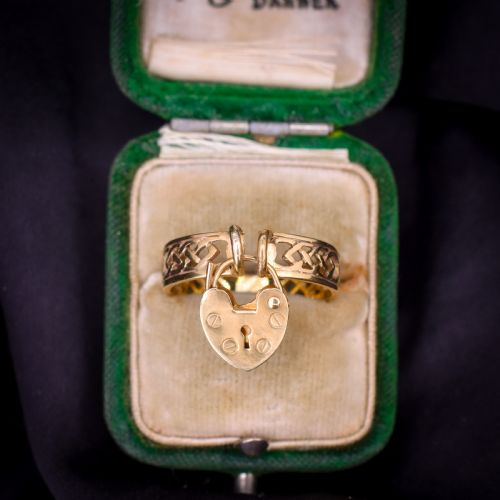
When you search for antique celtic jewellery, you encounter pieces spanning the Victorian, Edwardian and 1900 periods. The forms you meet most often on this page are brooches, necklaces and pendants, alongside occasional trinket boxes and bracelets.
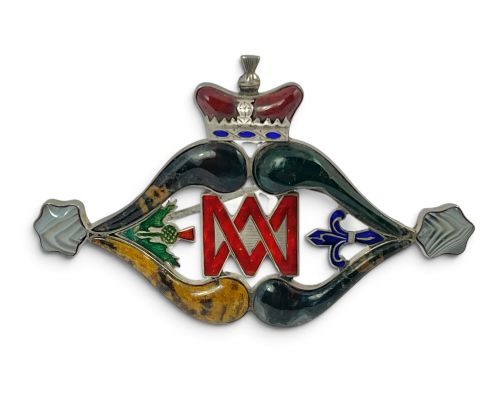
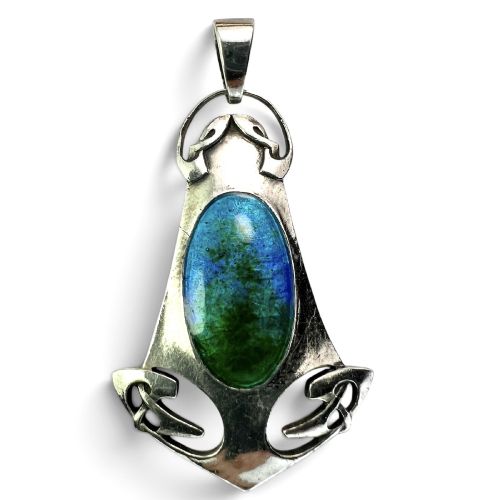
The regional character is strong, featuring Scottish Revival agate work, Irish bog oak, and Arts and Crafts designs associated with Liberty & Co. These objects capture regional identity through traditional motifs, stones and metals.
Makers and designers working in silver and gold utilised natural gemstones like citrine, peridot and jasper. The selection reflects both traditional Scottish pebble jewellery and the later linear grace of the Arts and Crafts movement.
How they were made
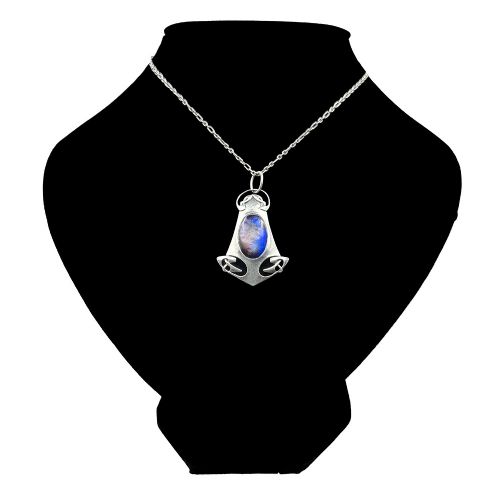
Silver and gold form the structural base of these pieces, shaped into brooches, crosses and pendant settings. Sterling silver provides a bright contrast to colourful vitreous enamel and polished stones.
Stones such as agate, citrine, jasper and peridot are cut and set into bezels, often accompanied by opal doublets and blister pearls. Enamel work brings vibrant blues and greens to silver surfaces, particularly in Arts and Crafts designs.
Antique Celtic Jewellery Retail Price Guide 2026
Typical asking prices for celtic jewellery among the pieces listed under this phrase on Sellingantiques today, from the lower quarter to the upper quarter. They describe what is for sale here now, not the wider market.
Materials across these listings include sterling silver, gold, agate, enamel, citrine, jasper, peridot, opal doublets and blister pearls.
What varies in quality
Quality shows in the precision of the metalwork and the depth of the enamel. Finer pieces demonstrate careful hand-setting of stones like agate and citrine, with well-preserved finishes on both silver and gold.
Design attribution and maker association elevate certain pieces above standard production work. Items bearing marks from notable workshops or designers display superior compositional balance in their traditional motifs.
Archibald Knox·Liberty & Co·Murrle Bennett·Omar Ramsden & Alwyn Carr
The Antique Celtic Jewellery Glossary
- Agate
- A form of chalcedony used extensively in Scottish Victorian pebble jewellery. It appears in polished sections showing natural banding and earthy colours.
- Vitreous enamel
- Glass fused to metal under high heat to create smooth, colourful decorative surfaces. It is a defining element of Arts and Crafts silver pendants.
- Bog oak
- Fossilised wood found in Irish bogs, carved into souvenirs and ornaments such as brooches. It provides a dense, dark material with a matte finish.
- Blister pearl
- A pearl that forms attached to the inner shell of an oyster rather than within the tissue. Jewellers often set them en cabochon for organic texture in pendant designs.
- Citrine
- A yellow variety of quartz valued for its bright, transparent colour. Scottish jewellers frequently set large citrines into silver brooches and trinket boxes.
Antique Celtic Jewellery: Frequently Asked Questions
What is Scottish pebble jewellery?
Scottish pebble jewellery utilises native stones like agate, jasper and bloodstone set into silver mounts. Originating in the Victorian era, these pieces often celebrated highland traditions.
Parks and royal patronage popularised these regional designs, leading to widespread production of brooches, bracelets and trinket boxes featuring banded stones.
What is Irish bog oak?
Irish bog oak is dark, preserved timber harvested from peat bogs and carved into decorative items like castle brooches. It served as a popular nineteenth-century souvenir material.
Carvers utilised the dense wood to render intricate architectural motifs, shamrocks and Celtic knotwork with a distinctive dark finish.
How should I care for antique silver jewellery?
Antique silver benefits from gentle cleaning with a soft cloth to remove tarnish without damaging softer set stones. Enamel and pearls require particular care to avoid scratching or chemical exposure.
Store pieces individually in dry, padded compartments to protect delicate settings, opals and blister pearls from impact or abrasion.