


Antique Cauldrons
Antique cauldrons bridge centuries of utilitarian metalwork, offering robust vessels that transform contemporary hearths and gardens.
Antique Cauldrons
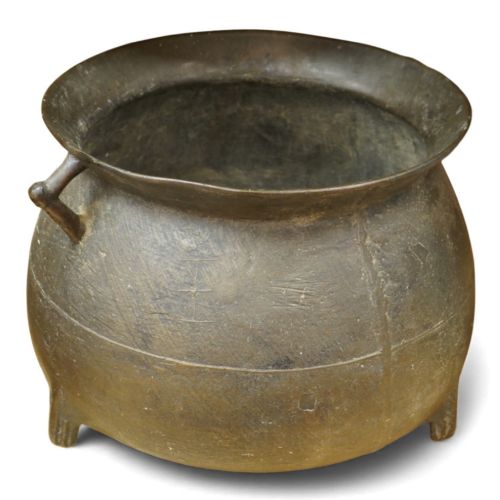
When you search for antique cauldrons, you encounter heavy metal vessels originating from domestic kitchens, farmhouses, and industrial workshops across the seventeenth, eighteenth, and nineteenth centuries. These utilitarian objects span periods from the seventeenth century through the Victorian era, manifesting in forms designed originally for cooking, preserving, or boiling water.
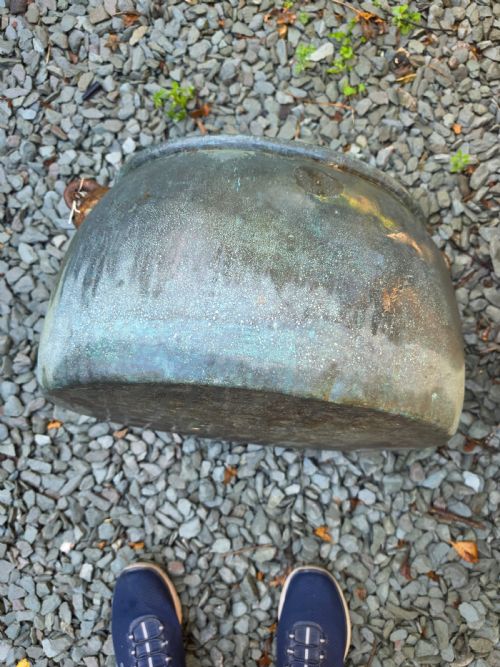
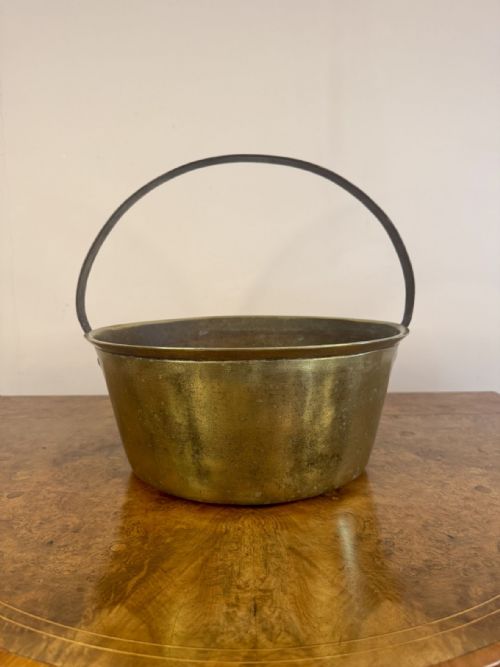
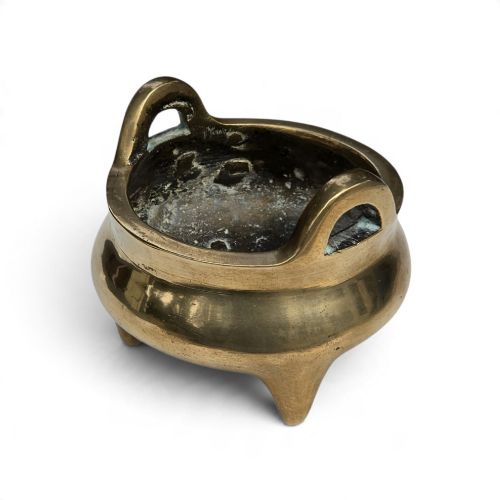
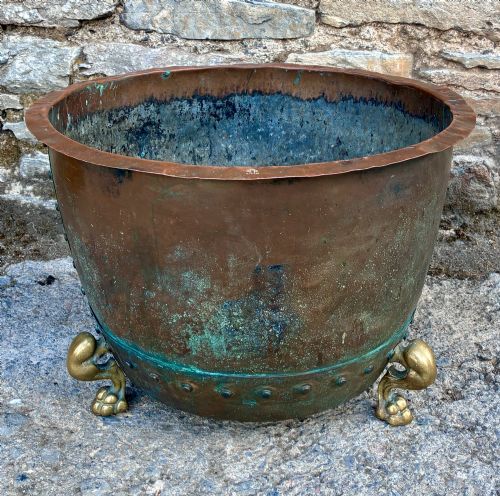
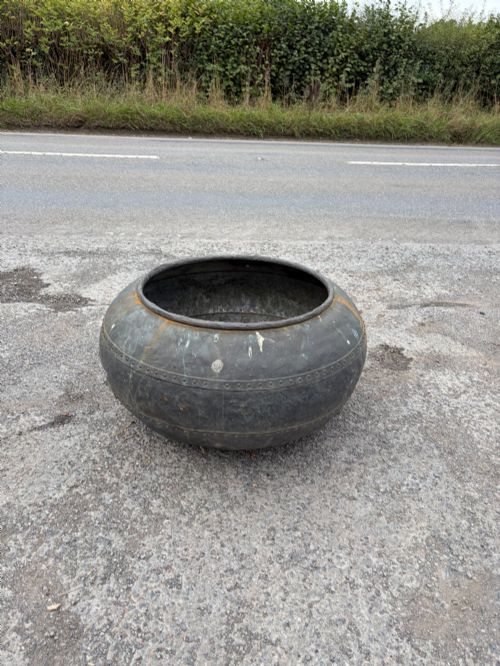
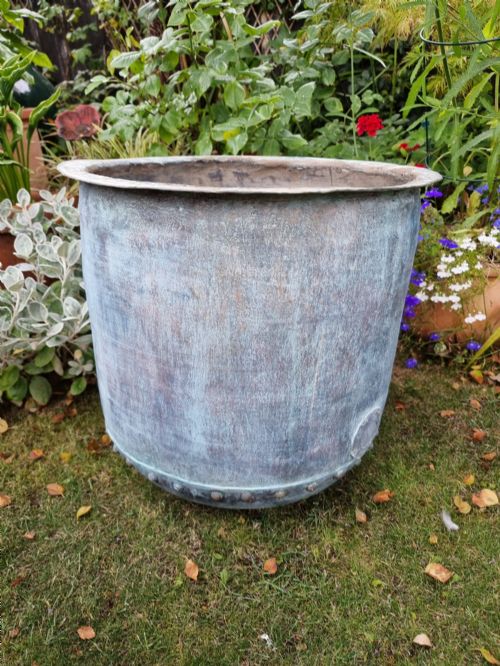
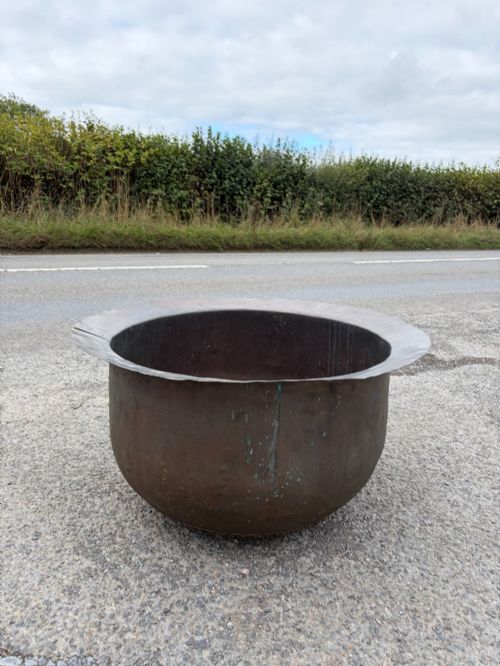
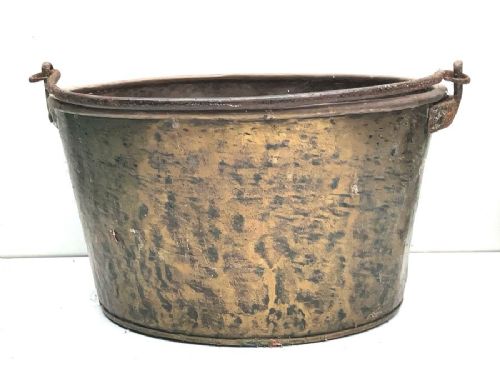
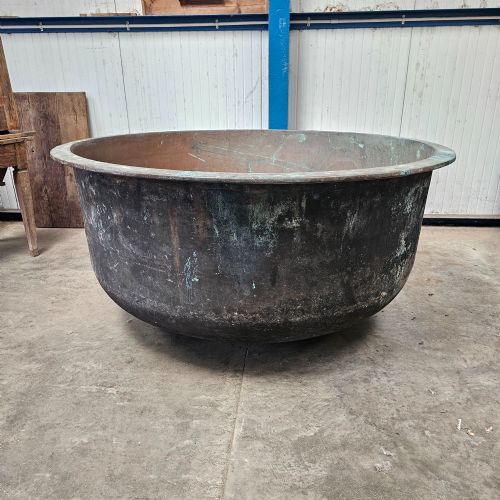
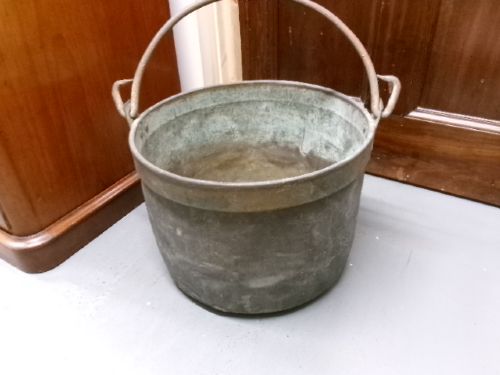
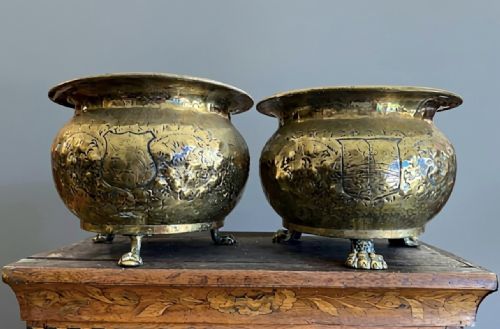
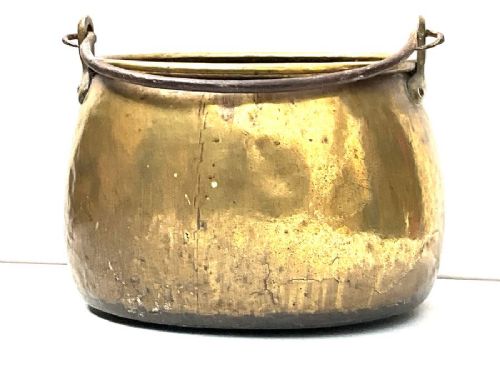
The versions most commonly met on this page include large copper pots, brass jam pans, and heavy bronze vessels adapted over time for decorative use. Many appear today functioning as fireside log bins, planters, or garden display pieces rather than cooking implements.
Origins vary from English and French country workshops to continental foundries, encompassing styles such as Georgian, rustic farmhouse, and Victorian industrial. Buyers select these pieces for their substantial metal presence and historical utility in domestic spaces.
How they were made
Makers utilised metals such as copper, iron, brass, bronze, and leaded bronze, shaping them through casting, hammering, and riveting. Early examples from the seventeenth century often involve cast bronze or leaded bronze produced in specialist foundries, resulting in thick, robust walls.
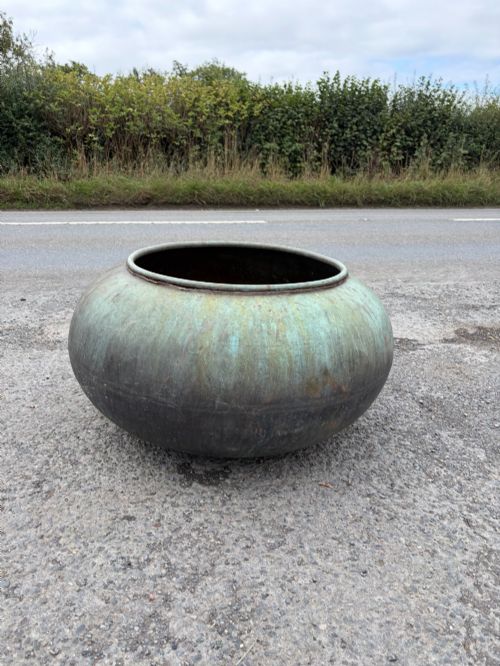
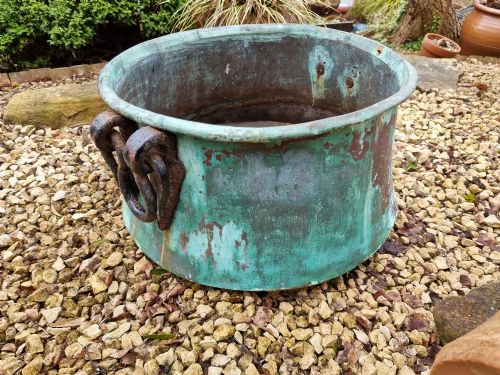
Later nineteenth-century pieces frequently employ sheet copper joined with visible rivets and paired with wrought iron swing handles or brass mounts. Surface finishes range from polished brass to aged copper displaying natural verdigris accumulated over decades of exposure.
Antique Cauldrons Retail Price Guide 2026
Typical asking prices for cauldrons among the pieces listed under this phrase on Sellingantiques today, from the lower quarter to the upper quarter. They describe what is for sale here now, not the wider market.
Listings feature copper, iron, brass, bronze, and leaded bronze across the seventeenth, eighteenth, and nineteenth centuries.
What varies in quality
The distinction between standard utility items and superior examples lies in the weight of the metal and the integrity of the construction. Heavier gauge copper and substantial cast bronze indicate higher grade pieces intended for demanding domestic or industrial service.
Form and proportion also divide the range, where balanced riveted seams, neatly attached swing handles, and maker-finished details elevate simple cooking vessels into decorative centrepieces. Pieces retaining original lids or matching hardware represent the upper tier of surviving examples.
Bateman
The Antique Cauldrons Glossary
- Cauldron
- A large metal pot with a wide mouth, typically featuring a swing handle or fixed legs, used historically for cooking and boiling over an open fire.
- Verdigris
- A green patina that forms naturally on copper, brass, or bronze through long-term exposure to moisture and atmospheric elements.
- Dinanderie
- A term describing objects made from beaten or cast brass and copper, particularly decorative vessels produced in European traditions.
- Jam Pan
- A wide, shallow metal pan, usually formed of brass or copper, designed for boiling fruit and sugar over a heat source.
- Swing Handle
- A flexible arched metal handle attached to opposite sides of a pot or cauldron, allowing the vessel to be lifted or suspended.
Antique Cauldrons: Frequently Asked Questions
What were antique cauldrons used for?
These vessels served primarily as heavy-duty cookware for boiling water, preparing stews, or rendering preserves over open hearths and firesides.
Over subsequent generations, many transitioned from utilitarian kitchen gear into decorative storage pieces and planters.
How do I clean an antique copper pot?
Surface cleaning depends entirely on whether you prefer a bright polished metallic finish or an aged appearance with existing verdigris.
Gentle washing with warm soapy water preserves the historic metal without stripping the character accumulated over centuries.
Are these metal pots safe for cooking?
Most antique metal vessels on the market are sold for decorative display, log storage, or garden planting rather than food preparation.
Original linings and metal compositions may not meet modern culinary standards for daily food use.
How do I date an old brass pan?
Dating relies on observing manufacturing techniques, such as hand-beaming, cast construction methods, and the style of attached handles.
Seventeenth-century examples typically feature heavy cast bronze, while nineteenth-century pieces often display machine-rolled sheets and copper rivets.