



Antique Cat Sculpture
An antique cat sculpture brings the tension and sleek forms of felines into domestic spaces through bronze, wood, and marble.
Antique Cat Sculpture
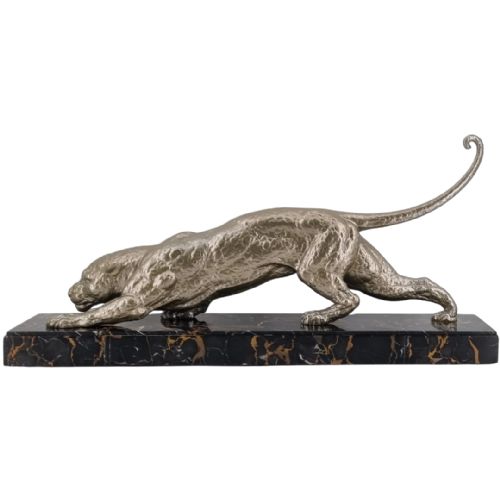
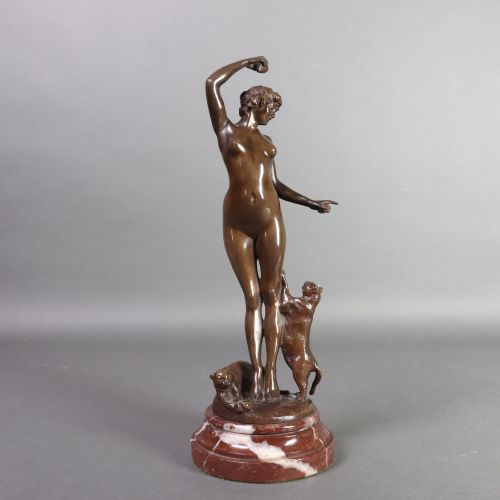
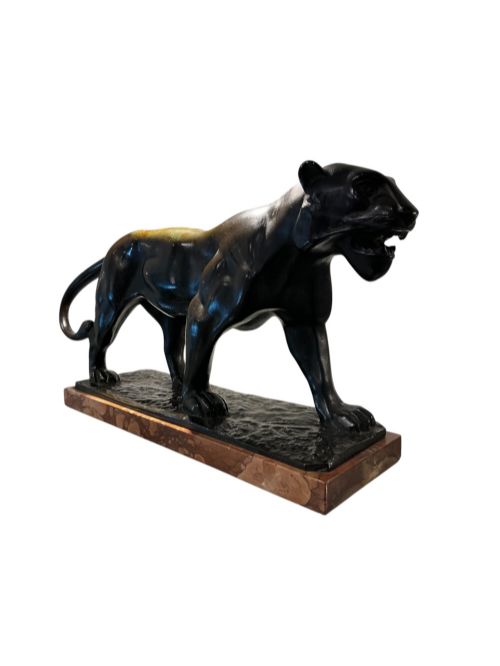
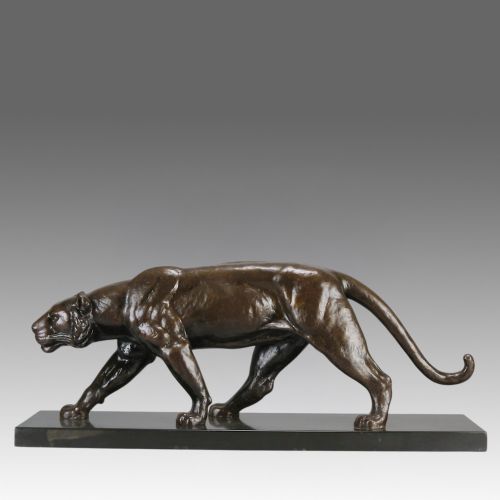
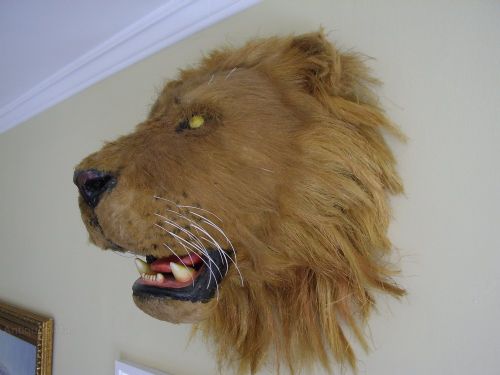
When searching for an antique cat sculpture, buyers encounter domestic felines alongside wild big cats such as panthers, tigers, lions, and leopards. These figures span the nineteenth and twentieth centuries, taking the form of desk inkwells, cabinet figurines, and substantial works mounted on stone bases.
The prevalent styles on this page lean heavily towards French Animalier and Art Deco designs from the late nineteenth century up to nineteen forty. Pieces range from small carved netsuke to large metal castings set upon marble or alabaster plinths.
Makers and foundries of the period translated feline movement into permanent materials, producing studies of crouching panthers, walking jaguars, and domestic cats in playful or watchful poses. Buyers find both European foundry casts and hand-carved regional folk art across the selection.
Materials and construction methods
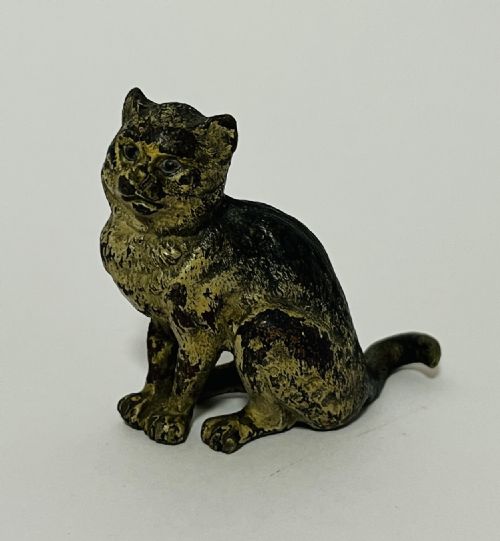
Metal sculptures are cast primarily in bronze or spelter, frequently utilising patination or cold-painted pigments to render naturalistic fur markings and surface tones. Many of these figures are anchored to bases of black marble, veined marble, or alabaster.
Carved pieces rely on dense timbers such as walnut and cherry amber, associated with Black Forest workshops or traditional netsuke carving. Supplementary details like glass eyes are inserted to add realism to cast metal or ceramic bodies.
Antique Cat Sculpture Retail Price Guide 2026
Typical asking prices for cat sculpture among the pieces listed under this phrase on Sellingantiques today, from the lower quarter to the upper quarter. They describe what is for sale here now, not the wider market.
The listings span periods from the eighteenth century through to nineteen sixty, featuring materials including bronze, marble, carved wood, and terracotta.
Assessing quality in feline figures
Quality rests in the anatomical precision of the musculature and the fidelity of the casting or carving. Superior examples capture the tension in a tiger's stride or the sleek repose of a panther without stiffness.
The crispness of the chasing on metal surfaces and the integration of the figure with its marble or stone base separate standard decorative items from masterworks. Foundry marks, artist signatures, and original cold-painted finishes elevate the standing of a piece.
Alexandre Ouline·Franz Bergman·Clovis Masson·Michel Decoux·Georges Gardet·Louis Riche·E. Drouot
The Antique Cat Sculpture Glossary
- Animalier
- A nineteenth-century artistic movement dedicated to the realistic portrayal of animals, particularly wild beasts in motion or repose. French sculptors popularised this genre in bronze.
- Cold-painted bronze
- A technique where bronze figures are painted with oil or enamel paints without firing the metal in a kiln. This finish is characteristic of Austrian and Vienna school productions.
- Spelter
- A zinc alloy used as a cost-effective alternative to bronze in decorative sculptures, frequently given a bronze-toned patination. It appears often in Art Deco figures.
- Netsuke
- A small carved toggle traditionally used in Japan to secure personal containers to kimono sashes. Cherry amber and wood examples often depict curled cats.
- Patination
- The surface treatment or chemical coloration applied to metal sculptures to alter tone and simulate age. It protects the metal while defining shadows and textures in the fur.
Antique Cat Sculpture: Frequently Asked Questions
What is an Animalier cat sculpture?
An Animalier cat sculpture is a nineteenth-century work focusing on realistic animal anatomy. These pieces depict felines with close attention to natural posture and muscle structure.
Most examples from this movement are cast in bronze by European artists and foundries, capturing wild cats like tigers and panthers as well as domestic felines.
How do I care for a bronze cat?
Bronze sculptures require minimal maintenance, needing only an occasional dusting with a soft, dry cloth. Avoid using liquid cleaners, polishes, or abrasive cloths that can strip the original patination.
Keep the sculpture away from direct sunlight and damp environments to protect both the metal surface and any attached marble or stone bases.
What is cold-painted bronze?
Cold-painting is a technique where pigment is applied to a bronze casting without high-temperature firing. This method allowed makers to achieve vibrant, lifelike colours on the surface of the metal.
Pieces finished this way, particularly from Austrian workshops, require careful handling to prevent chipping or flaking of the historic paint layer over time.
Are spelter cat sculptures antique?
Spelter is a zinc-based alloy that was widely utilised during the Art Deco period to produce affordable decorative sculptures. Many figures from the nineteen twenties and thirties use spelter bodies mounted on marble bases.
While distinct from bronze, these figures are period pieces reflecting the manufacturing methods and design trends of their era.