





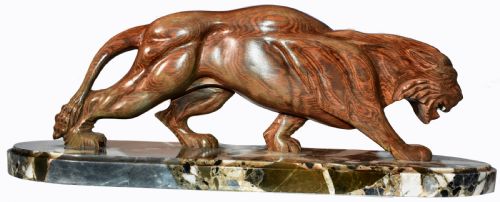
Antique Cat Ornaments
Antique cat ornaments bring the character of domestic and wild felines into the home through varied Victorian and Art Deco forms.
Antique Cat Ornaments
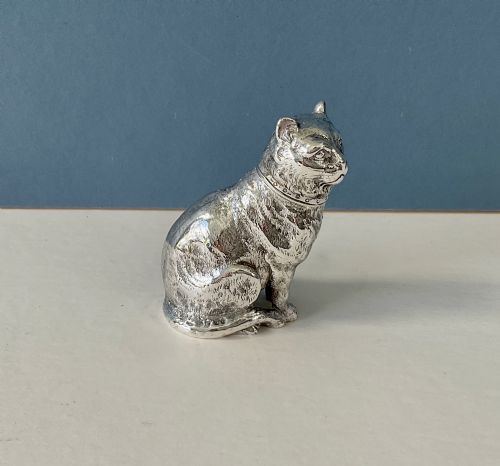
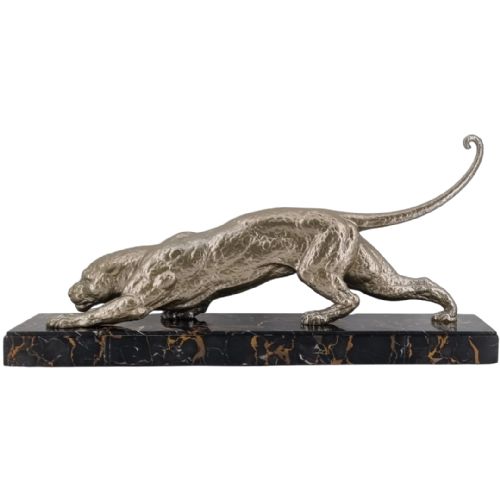
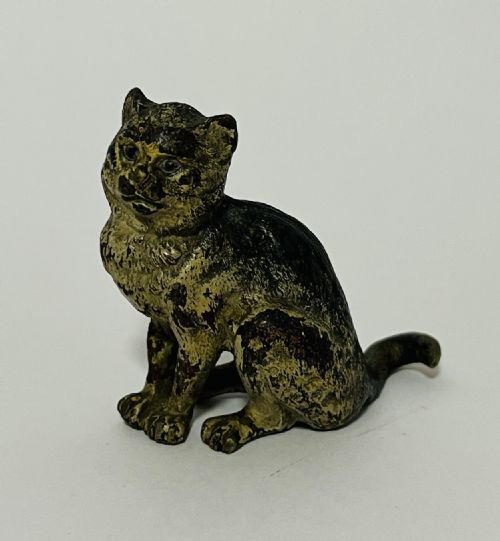
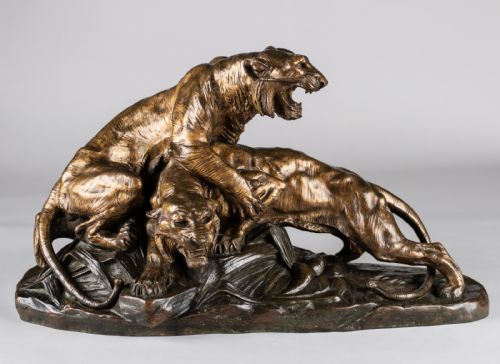
These antique cat ornaments encompass a diverse range of feline subjects, from domestic Staffordshire pottery pairs and French terracotta roof tiles to stylised Art Deco panthers and tigers. When searching for antique cat ornaments, buyers encounter everything from functional novelty pepper pots to cold-painted bronze studies and marble-based sculptures.
What varies in quality
Quality rests upon the fidelity of the casting and the expressiveness of the modeling, separating mass-produced decorative items from works by known sculptors. Crisp detail in the fur, muscular definition, and the retention of original cold-painted colours or patination define the upper tier.
The choice of base materials, such as Portoro marble or alabaster rather than plain slate, alongside clear signatures or foundry marks, distinguishes finer studio pieces from standard decorative wares.
Antique Cat Ornaments Retail Price Guide 2026
Typical asking prices for cat ornaments among the pieces listed under this phrase on Sellingantiques today, from the lower quarter to the upper quarter. They describe what is for sale here now, not the wider market.
Listings feature works spanning the nineteenth century through the Art Deco period of the 1920s and 1930s.
D. H. Chiparus·Michel Decoux·Louis Riche·E. Drouot·Dumond
The Antique Cat Ornaments Glossary
- Animalier
- A term describing nineteenth-century sculptors who specialised in realistic depictions of animals. These artists closely observed anatomical detail and movement in both domestic pets and wild beasts.
- Cold-painted bronze
- A method of decorating bronze sculptures where paint is applied without heat after the casting process. Over time, this surface finish is prone to gentle wear.
- Spelter
- An alloy of zinc and lead used as a less expensive alternative to bronze. It was widely utilised for decorative figures and usually finished with a bronze-look patination.
- Staffordshire figure
- Ceramic pottery figures produced in the Staffordshire potteries during the nineteenth century. They include mantel dogs, cats, and various human and animal subjects.
- Parian
- A fine white porcelain resembling marble, developed in the nineteenth century. It was frequently used for portrait busts and figure groups.
Antique Cat Ornaments: Frequently Asked Questions
How do I date an antique cat figure?
Dating relies on identifying the materials, manufacturing marks, and stylistic period of the piece. Victorian earthenware often shows crazing and hand-painted details, whereas Art Deco bronzes utilise streamlined forms and marble bases characteristic of the interwar decades.
Examining the base and any signatures or registry marks provides further clues to the precise era of manufacture.
Are bronze cat sculptures solid metal?
Most antique bronze sculptures are cast using the lost-wax method and are hollow rather than solid. This technique allowed founders to control weight and metal usage while maintaining intricate surface detail.
Heavy stone bases are frequently added to counterbalance the hollow metal figures.
How should I clean antique ceramic cats?
Ceramic and porcelain figures require gentle dusting with a soft, dry brush to prevent damage to delicate hand-painted glazes. Moisture should be avoided, particularly on older earthenware that may feature fragile overglaze decoration or historic repairs.
Professional conservation advice is recommended for heavily soiled or damaged pieces.
What is the difference between bronze and spelter?
Bronze is a durable alloy of copper and tin that takes a rich patina and holds sharp casting details over centuries. Spelter is a softer, zinc-based alloy that was popular for affordable decorative objects during the nineteenth and twentieth centuries.
Spelter is lighter and more brittle than bronze, often identifiable by a flaking surface finish where the metallic paint has worn away.