


Antique Cast Statue
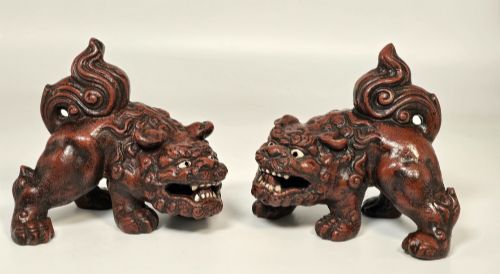
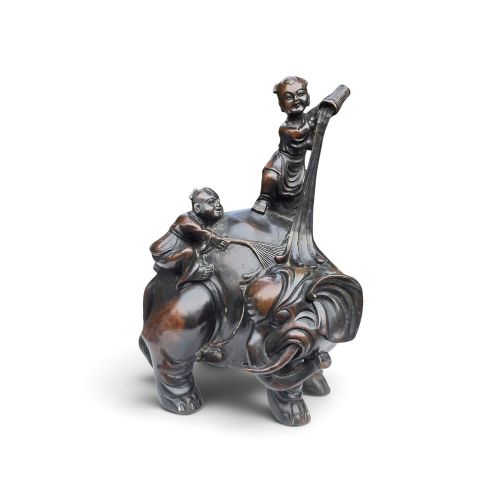
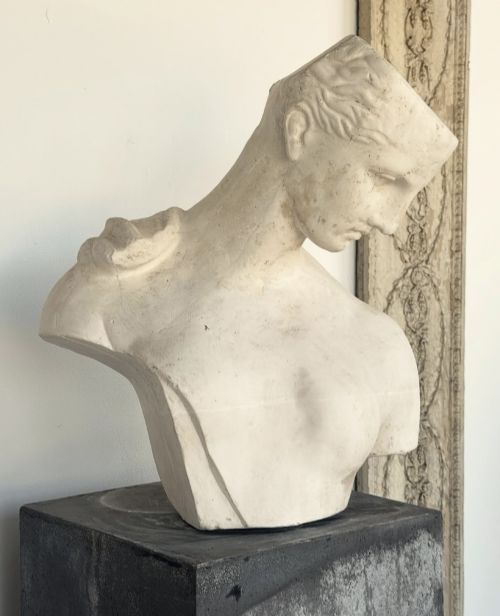
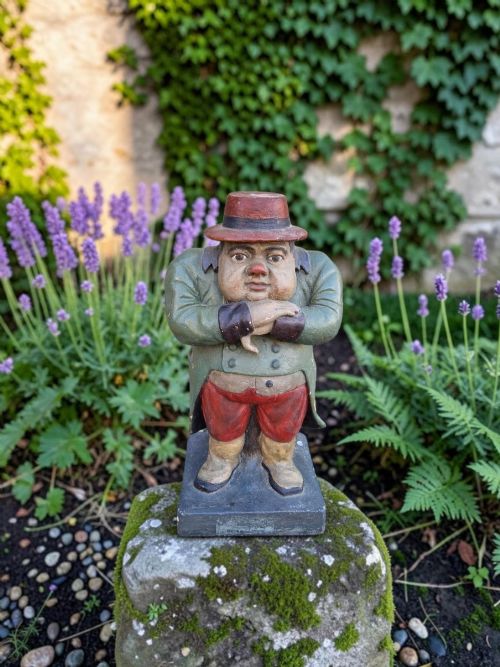
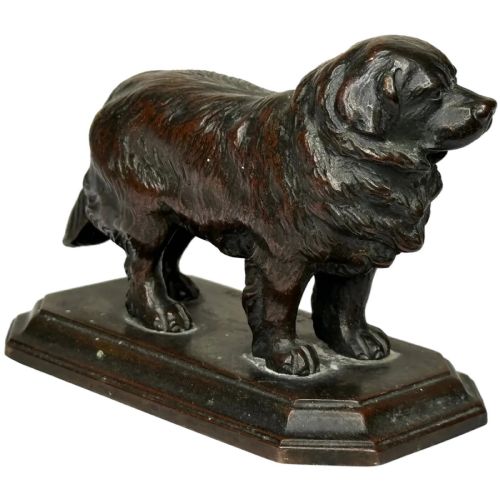
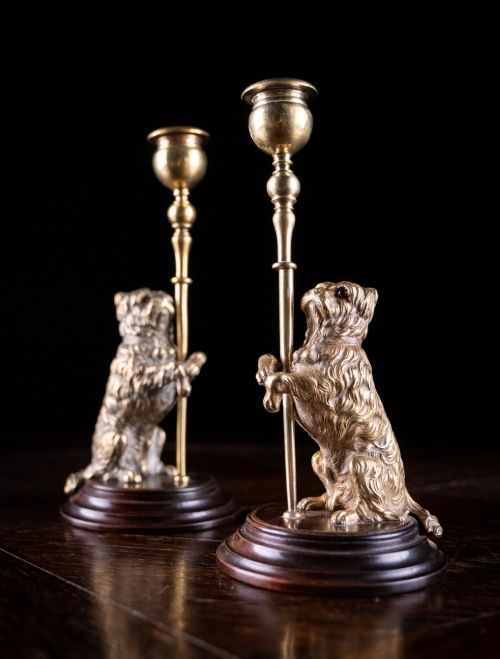
An antique cast statue brings sculptural form into a space, ranging from small cabinet bronzes to large garden figures.
Antique Cast Statue
When you search for an antique cast statue, you encounter a diverse array of sculptural works produced through casting techniques in metal, stone, and plaster. These figures serve both decorative and commemorative functions across domestic interiors and garden settings.
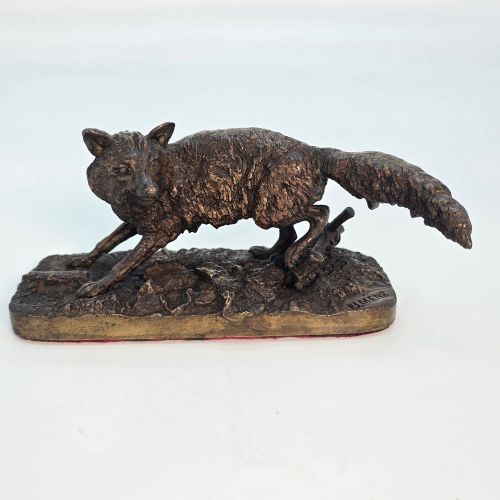
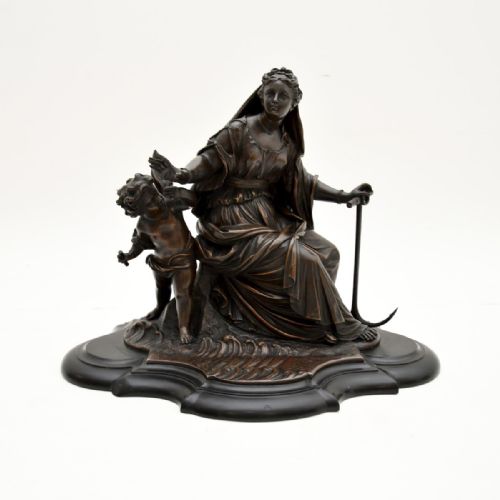
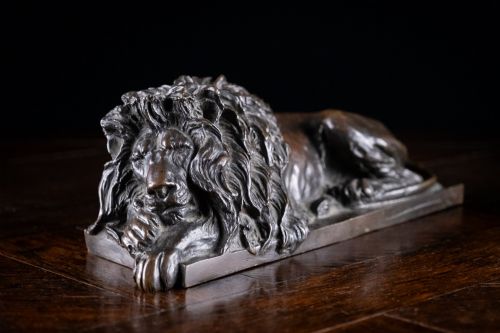
The pieces on this page span several centuries, with the nineteenth century heavily represented alongside early twentieth-century examples. Animalier studies, classical figures, and religious bronzes dominate the forms you meet.
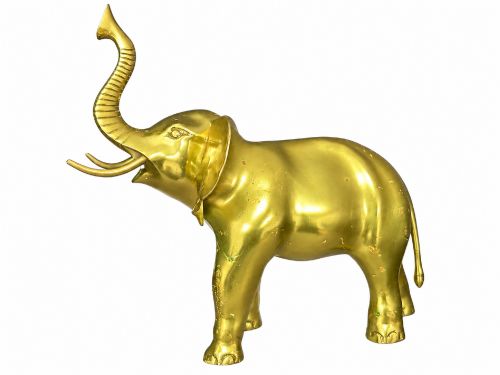
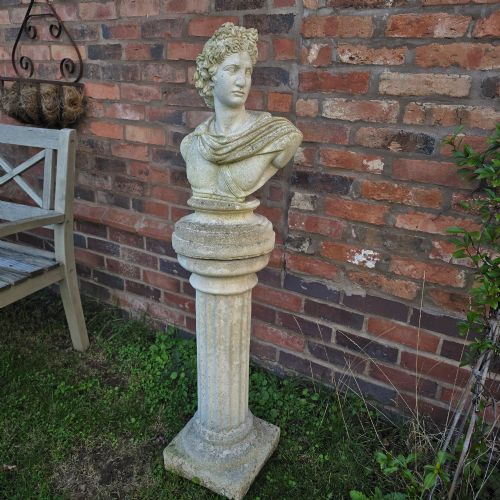
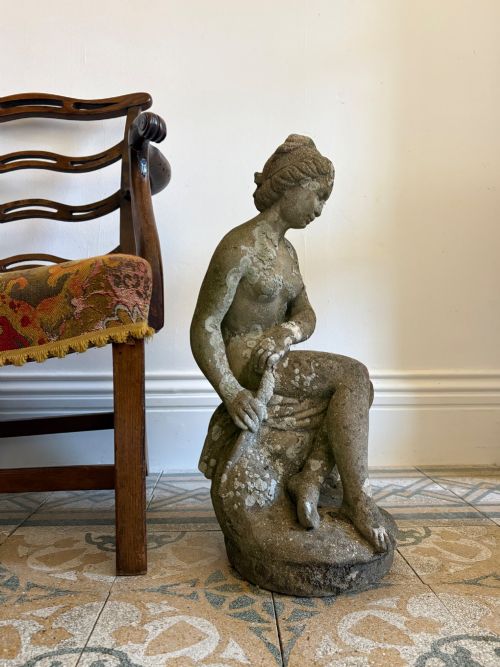
Garden ornaments and architectural figures appear in cast stone, iron, and weathered concrete. Meanwhile, cabinet pieces emerge in cold-painted bronze, brass, and sterling silver from European and Asian workshops.
How they were made
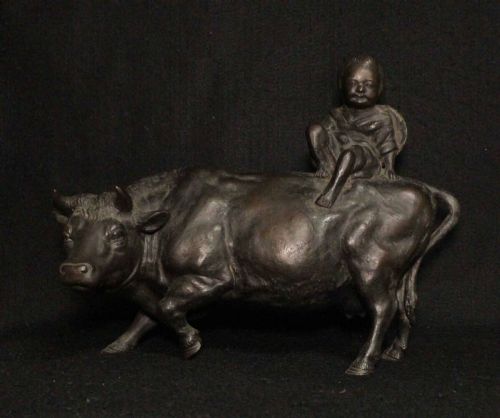
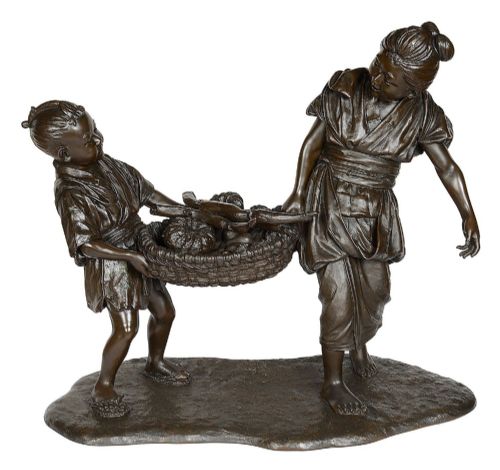
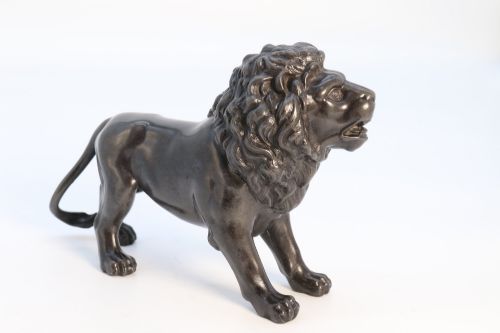
The objects listed rely primarily on metal casting, notably bronze and brass, alongside stone and plaster moulding techniques. Molten metal poured into moulds captured intricate details such as animal fur, human expression, and drapery.
Many bronze figures receive surface treatments including cold-painted polychrome finishes or patination to alter the colour of the metal. Cast stone and iron garden pieces often display natural weathering accumulated across decades outdoors.
Antique Cast Statue Retail Price Guide 2026
Typical asking prices for cast statue among the pieces listed under this phrase on Sellingantiques today, from the lower quarter to the upper quarter. They describe what is for sale here now, not the wider market.
Three sleeping puppies carved in bronze rest peacefully alongside a brass pig and a collection of armed stone gnomes.
What varies in quality
The integration of the material dictates the tactile success of the object, from the density of a marble plinth beneath a bronze stag to the naturalistic weight of cast stone garden ornaments.
Kakuha Kanzaemon·P J Mêne·E.A.Clapp·Moreau Family·Tsunemitsu·E Villanis·Christophe Fratin·Franz Bergman
The Antique Cast Statue Glossary
- Animalier
- A nineteenth-century sculptural style dedicated to the realistic portrayal of animals, particularly dogs, horses, and wild beasts in dynamic poses.
- Cold-painted bronze
- A technique where bronze figures are painted with cold enamel colours rather than fired in a kiln, common in Austrian cabinet bronzes.
- Grand Tour
- Souvenir bronzes and sculptures purchased by travellers in Italy during the eighteenth and nineteenth centuries, often replicating classical antiquities.
- Meiji Period
- The era in Japanese history spanning from 1868 to 1912, known for highly detailed bronze metalwork depicting figures, animals, and daily scenes.
- Patina
- The surface coloration and sheen acquired by bronze and other metals through age, oxidation, or intentional chemical treatment.
Antique Cast Statue: Frequently Asked Questions
How do I clean an old bronze statue?
Dust the surface gently with a soft brush to remove accumulated particles without disturbing the underlying patina. Avoid commercial metal polishes that strip away historical surface coloration.
Apply a microcrystalline wax sparingly if protection from atmospheric moisture is necessary, buffing it lightly with a clean cloth afterwards.
Where were animalier sculptures made?
Animalier sculptures were produced extensively in France during the nineteenth century by artists who studied anatomy closely at menageries. Workshops in Vienna and Japan also created notable animal studies in bronze and brass.
These pieces served as cabinet ornaments or desk accessories for collectors interested in natural history and realism.
Can garden statues stay outside in winter?
Cast stone and iron garden ornaments withstand outdoor conditions, though severe frost can occasionally threaten porous materials if moisture enters unsealed cracks. Lifting figures off the ground onto timber blocks prevents ground-moisture absorption during freezing weather.
Plaster or terracotta pieces require indoor shelter during winter months to prevent structural damage from ice expansion.
What is a Grand Tour bronze?
Grand Tour bronzes are small-scale replicas of classical sculptures purchased by wealthy Europeans touring cultural sites in Italy. These souvenirs brought classical art into nineteenth-century studies and libraries.
Foundry marks and Italian patination often help identify these educational cabinet pieces.