



Antique Cast Iron Decor
Antique cast iron decor comprises robust utility objects and ornamental castings, offering enduring functional charm and heavy sculptural presence for the home.
Antique Cast Iron Decor
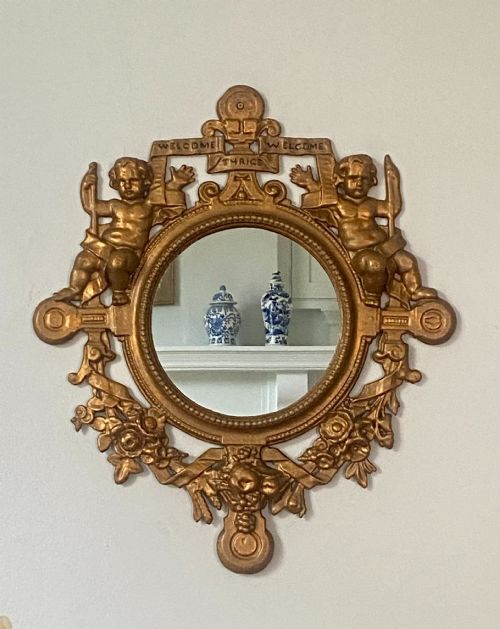
Antique cast iron decor encompasses functional household items and sculptural pieces produced primarily during the nineteenth and early twentieth centuries. Buyers searching for antique cast iron decor encounter utilitarian objects transformed into ornaments, ranging from heavy doorstops and boot scrapers to architectural elements and fireplace furniture.
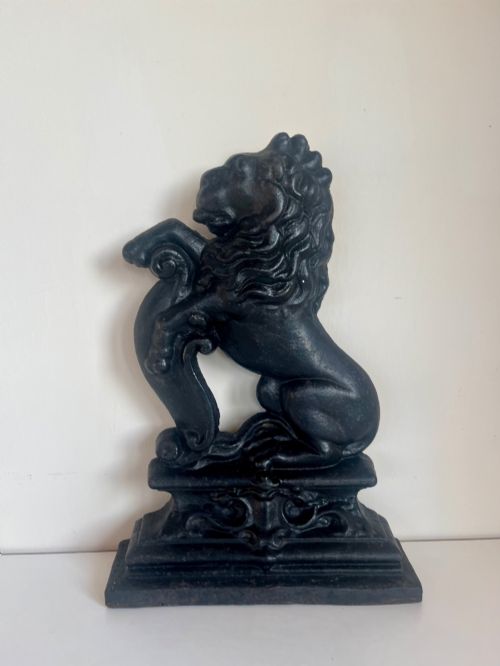
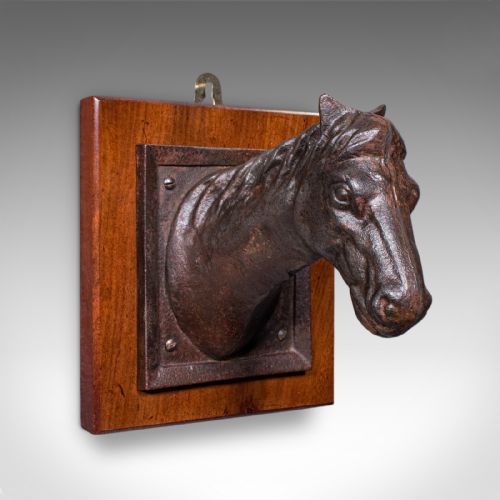
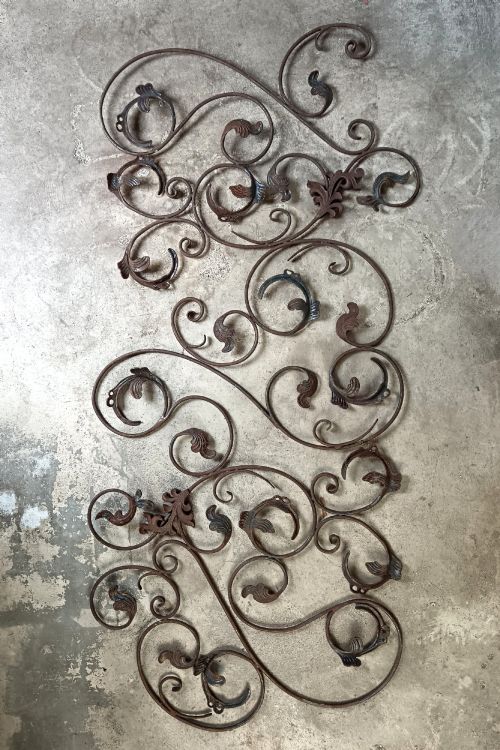
The selections span distinct periods including the Victorian and Edwardian eras, alongside French Country and Art Deco styles. Common forms on this page include animal doorstops, hitching posts, coat hooks, and architectural scroll panels.
Originating from British, French, and general European workshops, these pieces reflect the heavy industrial output of their respective periods. They combine domestic utility with robust casting techniques designed for everyday longevity.
How they were made
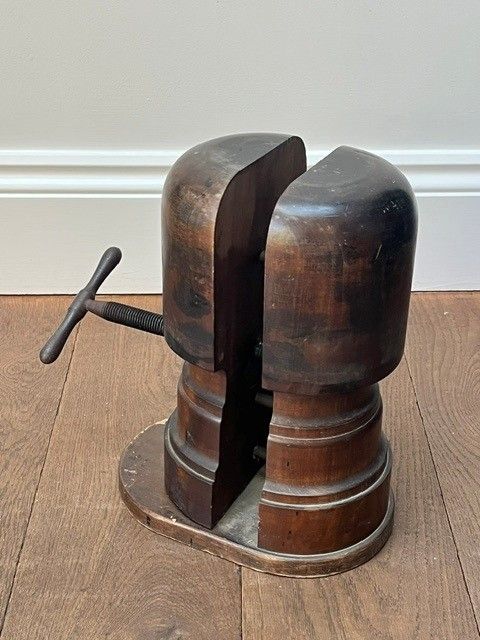
These items are produced by pouring molten iron into sand moulds to create solid, heavy castings with distinct surface textures. Makers frequently combined the cast iron with secondary materials such as wood, oak, copper, and wrought iron in objects like cart wheels, fire dogs, and panel assemblies.
Many surfaces retain traces of early paint or protective finishes applied to prevent oxidation over decades of use. The manufacturing process prioritized structural strength, resulting in weighty printers stamps, decorative cannons, and monumental coat of arms plaques.
Antique Cast Iron Decor Retail Price Guide 2026
Typical asking prices for cast iron decor among the pieces listed under this phrase on Sellingantiques today, from the lower quarter to the upper quarter. They describe what is for sale here now, not the wider market.
Cast iron hunting dogs stand ready indoors, guarding hallways without ever chasing the postman.
What varies in quality
The integrity of the material and the preservation of original surface paint or weathering dictate the standing of individual pieces. Heavy, well-proportioned architectural panels and armorial plaques command attention through their substantial mass and balanced design.
Burgess Brothers of Weaverham
The Antique Cast Iron Decor Glossary
- Boot scraper
- A fixed metal blade or trough positioned near an exterior doorway for removing mud from footwear. These items are frequently cast in iron with decorative Victorian scrollwork.
- Hitching post
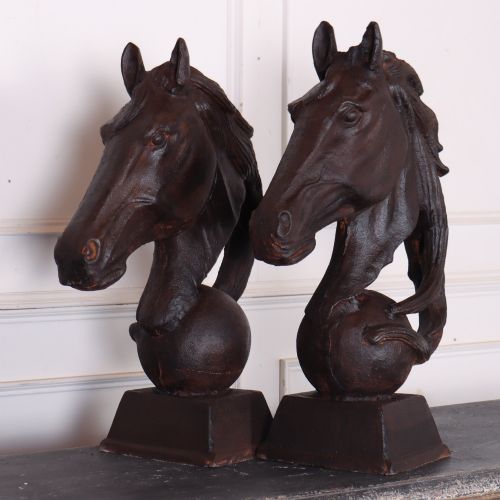
- A sturdy vertical post featuring a ring or decorative finial used historically for tying up horses. Cast iron examples often terminate in horse head sculptures.
- Doorstop
- A heavy weighted object designed to hold doors open against drafts. Animal figures and heraldic crests are common motifs in iron.
- Architectural salvage
- Elements rescued from older buildings prior to demolition, including scroll panels and structural grilles. These pieces are repurposed for interior and garden decoration.
- Animalier
- A nineteenth-century artistic style focusing on realistic depictions of animals. French foundries frequently utilised this approach for cast iron dogs and equestrian subjects.
Antique Cast Iron Decor: Frequently Asked Questions
How do I clean antique cast iron?
Dust surfaces gently with a dry cloth to preserve any original paint or aged patina.
Avoid using harsh chemical solvents or abrasive pads that might strip historical finishes from the metal.
Are these items suitable for outdoor use?
Many pieces were originally designed for exterior conditions like gardens or boot scrapers.
Continued exposure to moisture will encourage surface oxidation, so monitor the metal regularly if placed outside.
How can I tell Victorian pieces apart from Edwardian ones?
Victorian castings often display heavy ornamentation and distinct heraldic or animal motifs.
Edwardian items tend to feature slightly cleaner lines while maintaining traditional casting methods.
Why are some cast iron items so heavy?
The pouring process requires thick walls of molten metal to ensure structural stability in utility items.
This substantial mass was necessary for objects like doorstops, printers stamps, and architectural panels to perform their functions.